


Modern classrooms look very different than they did 20 years ago. Chalkboards have given way to interactive displays, and heavy textbooks are now digital files. Every student needs a reliable way to get online to finish their work and participate in class.
Schools must provide a stable environment for every learner. Access is a requirement for everyone who wants to succeed today.
The Shift To Digital Classrooms
Schools are changing how they deliver lessons to stay current with technology. Efforts to bridge the digital divide help students get the tools they need for their studies. Teachers can share resources instantly with everyone in the room and keep lessons moving fast.
Using tablets and laptops allows students to explore topics at their own speed. They can watch videos or look at maps to see the world from their desks. Learning becomes much more interactive when software is part of the daily routine.
Every classroom must adapt to new methods to keep students engaged. Using online tools prepares young people for rising challenges. Modern literacy is a skill that every graduate needs in the workforce.
Equalizing Opportunities For All Students
Students come from many different backgrounds and financial situations. High-quality learning tools should be available to every child, regardless of their home life. Kids in wealthier schools have principals who feel their digital capacity is high enough. This gap creates an unfair start for those in less-funded districts.
Teachers in these schools have to work harder to find creative ways to use limited tools. Every student deserves a chance to build the digital skills they will need for their future careers. Provide the right hardware and software to meet that goal.
Connectivity Challenges In Different Regions
Living in a remote area means dealing with slower speeds or no connection at all. Researchers have pointed out that people in rural areas are 20 times more likely to lack fixed broadband than those in cities. Learners in these areas struggle to download large files or watch video lectures. Schools must find ways to support these students so they do not fall behind.
Unreliable internet can cause a lot of frustration during high-stakes exams or presentations. Such conditions put students in a position where they cannot demonstrate their true knowledge. Investing in better infrastructure is the only way to fix these regional differences.
Driving Academic Success Through Tech
Using technology in the right way can impact how much a student learns. Effective tech use can speed up learning progress by two to five months. Students who can use digital tools safely show better engagement with their subjects. Complicated topics are easier to visualize and understand.
Classrooms that embrace these tools see better participation and excitement from the kids. Teachers can track progress in real-time and offer help the moment a student gets stuck.
Securing Personal Data In School Systems
Keeping student records safe is a top priority for any IT department. Schools hold a lot of sensitive information, including home addresses and medical records. Hackers may target educational institutions as they think the security might be weak.
Strong login systems protect this data from falling into the wrong hands. Have multiple layers of defense to stop intruders from getting in.
- Encrypted passwords protect user accounts.
- Two-factor authentication adds a layer of safety.
- Regular software updates fix security holes.
- Firewalls block suspicious traffic from entering the network.
Students feel safer when they know their private details are kept private. Parents want to know that their children’s data is not being sold or leaked online.
Protecting Intellectual Property And Research
Universities and colleges host valuable research that needs protection. Faculty members spend years working on projects that could be stolen by competitors. Secure digital access prevents unauthorized users from browsing these private files.
It creates a digital perimeter around the campus network. Without these protections, years of hard work could vanish in a single click. Every department must cooperate to keep the whole system safe.
Researchers need to share their findings with colleagues around the world without fear of a data breach. High-level encryption makes it possible to collaborate across borders securely and keeps the integrity of the scientific process intact.
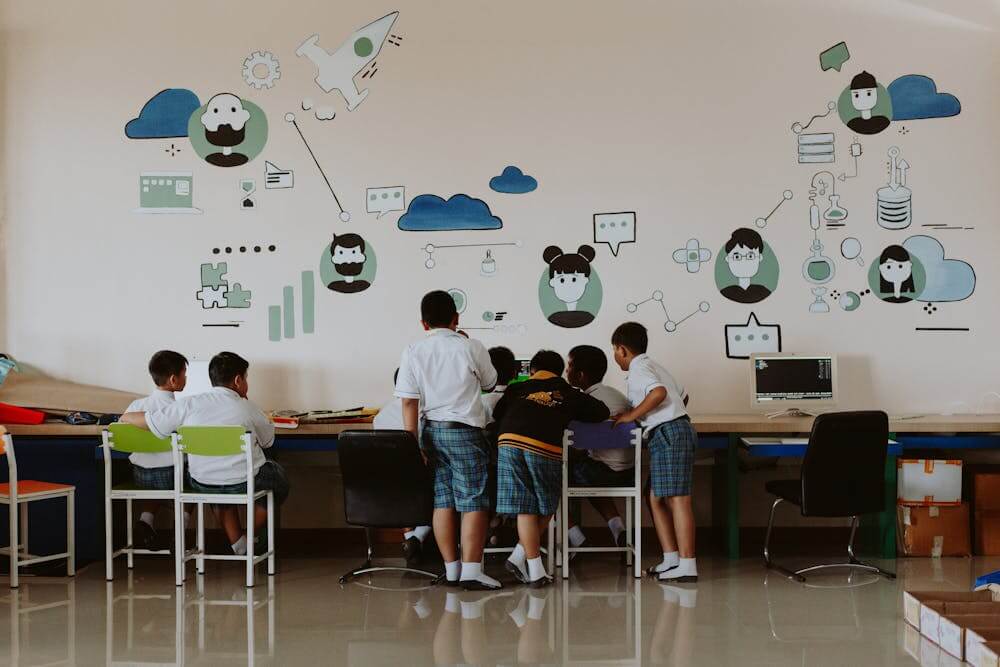
Providing secure and equal access is a big job for any school: it balances the need for safety with the need for speed and ease of use. When schools get this right, students can reach their full potential.
Technology should be a bridge to a better future for every learner. Investing in such systems pays off through better grades and a more prepared workforce. Secure digital access is the foundation of the modern educational journey.
