

Building a commercial space involves much more than picking out colors or sturdy walls. Safety and access are the top priorities for any modern project. Hardware choices might seem small, yet they impact how every person interacts with the space. These guidelines protect people and keep businesses running smoothly.
The Role Of Legal Standards In Commercial Design
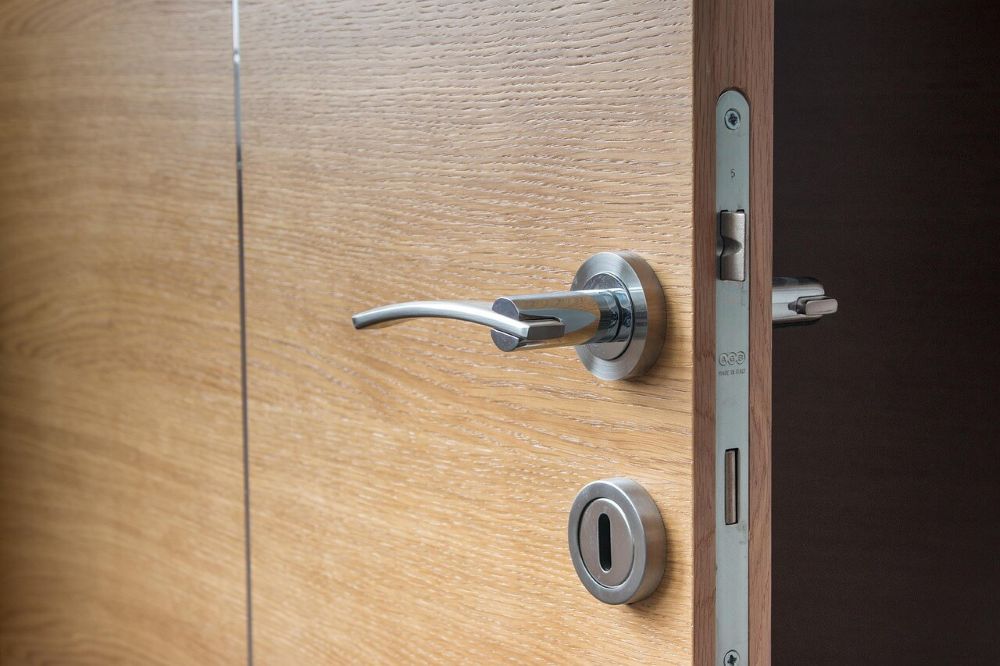
New plans require following many strict rules at once. Selecting a ADA compliant door handles makes a building accessible for all visitors, so designers must choose parts early. The building will stay open to all guests of all physical abilities.
Architects look at many different manuals when they start a new project. Finding the right balance between style and law is a common challenge. Professionals must track these rules from the start to avoid expensive changes later. Compliance means avoiding fines and making a space work for the whole community.
Force Limits For Interior And Exterior Doors
A heavy door can be a major obstacle for someone with limited strength. Interior hinged doors should not require more than 5 pounds of force to operate. Exterior doors can be a bit heavier, but should not exceed 8.5 pounds for the user. These measurements are checked during inspections to confirm the building is open to everyone.
Maintaining the correct pressure requires regular maintenance. Springs inside the door closer can tighten or loosen. If a door is too hard to push for someone using a wheelchair or carrying heavy bags, it fails the test of modern design.
Timing And Closing Speeds For Safety
Doors that slam shut are dangerous for people walking with canes or strollers. Safety guidelines suggest that doors with closers need at least 5 seconds to move from wide open to a nearly closed position. That specific timing gives everyone enough time to clear the doorway before the latch engages.
Speed controls are found on the top of the door frame. Maintenance teams turn a small screw to slow down or speed up the movement. A simple mechanism will prevent injuries in busy hallways. A smooth closing motion protects the frame and the wall from damage.
The Growing Market For Quality Hardware
Global demand for better building parts is rising as more cities update their safety laws. The global door hardware market was valued at $8.38 billion in 2024. Professionals expect this number to climb to $12.03 billion by 2026. Rising spending shows that building owners are investing more in high-end solutions.
Quality hardware lasts longer and meets tougher safety goals. Stainless steel reduces the need for repairs. Companies want parts that can handle thousands of cycles every day. Investing in strong hardware saves money in the future.
Material Selection For High Traffic Areas
Heavy traffic in a shopping mall or office tower puts stress on every hinge. Stainless steel is a popular choice for its strength and resistance to rust. It looks new even after years of use by thousands of people.
Brass and bronze provide a more classic look. These metals are treated with special coatings to prevent tarnishing. The right finish should match the building style and meet safety needs. A good finish keeps the surface smooth and easy to clean for better hygiene.
Standard Requirements For Public Entry
- Handles must be operable with one hand.
- No tight grasping or twisting of the wrist is allowed.
- Hardware must be mounted between 34 and 48 inches high.
- Clear width must stay at a minimum of 32 inches.
Fire Safety And Building Protection
Barriers must stop smoke and flames from spreading during an emergency. Hardware on fire-rated doors has to latch automatically to keep the seal tight. Automatic latching prevents a fire from moving from one room to another.
Materials used in these locks must withstand extreme heat. If a lock melts, the door could swing open and let smoke through. Every fire door needs a label that proves it passed safety tests. Regular checks by fire marshals keep these systems in top shape.
Balancing Security With Ease Of Use
Modern offices use electronic locks to track who enters the building. Systems must still allow people to leave quickly if there is an emergency. Locking a door for security cannot block a person from exiting during a fire. The concept is known as free egress, and it is a major part of local safety codes.
Designers choose hardware that works with alarms to unlock automatically. Sensors detect when a person is approaching the door from the inside. The lock releases instantly to exit safely. a safe exit. The electrical and mechanical parts must work together.
Every piece of equipment has a job to do in keeping the building compliant. Sticking to the rules will help you avoid fines and create a space where everyone feels welcome. High-quality hardware is a smart investment in safety and durability.
