


Practical souvenirs have shifted from novelty items to tools that support work life. Teams notice the difference when a gift fits a real need and keeps showing up in daily routines. That repeated use can turn a one-time event into steady brand recall.
Why usefulness beats shelf appeal
Modern enterprise audiences sort gifts fast: useful items stay, awkward items vanish. A practical souvenir earns space in a bag, on a desk, or in a pantry. When the object becomes part of a routine, the brand mark keeps reappearing without extra effort.
Procurement teams care about value beyond the unit price. They look for items that reduce waste, travel well, and suit mixed audiences. A good choice feels neutral, clean, and functional across roles.
Hybrid work raises the bar for portability and versatility. Items that travel between home and office tend to see more touchpoints than desk-only pieces.
Pick a function before picking a product
Start with the moment of use, not the catalog page. A gift that supports commuting, hydration, note-taking, or device charging fits a wide range of jobs. The goal is a simple habit that repeats naturally. Clear use cases stop the team from chasing novelty for its own sake.
Teams can map items to real moments, such as check-in, transit, or the first day back in the office. In that planning stage, a short list of priorities can point toward door gifts for businesses that people can use right away, not store in a drawer. Once the use case is clear, vendor selection turns into a simple quality check.
- Frequency: daily, weekly, or event-only use
- Context: desk, travel, home, or hybrid work
- Care: easy cleaning and low breakage risk
- Fit: size and weight that carry well
- Branding: subtle placement that stays readable
Design details that keep items in rotation
Small decisions can decide if a souvenir becomes a keeper. Neutral colors, simple shapes, and a clean logo area make the item easier to adopt. A compact form matters for people who carry laptops, lunch, or gym gear.
Durability is a quiet signal of respect. Strong seams, solid lids, and materials that resist scratches reduce the chance that the gift feels disposable. Clear instructions or a small care card can cut misuse and early damage.
Branding choices matter as much as materials. A logo that stays legible after washing helps the item keep its identity. A low-key design often fits more settings than a bold graphic that clashes with personal style.
Budget signals point to continued gifting
Enterprise gifting survives when it ties to goals like attendance, morale, or relationship building. A 2024 trends report from the Incentive Research Foundation noted a net increase of 37% in budgets for merchandise, gift cards, and event gifting. That suggests many organizations still treat gifting as a planned line item, not a random perk.
Budget strength does not mean unlimited spending. It pushes teams to justify choices with expected use and audience fit. Practical souvenirs pass that test since they deliver utility plus visibility.
Tracking impact can stay simple. Teams can watch pickup rates, post-event feedback, and repeat use in photos or office sightings.
Drinkware keeps winning in branded categories
Drinkware tends to land well across departments since it supports daily routines. ASI reported that drinkware sales accounted for nearly 11% of total industry sales, or about $2.8 billion. That size hints at a category with proven demand and a wide design range.
For enterprises, the appeal is predictable: mugs, tumblers, and bottles fit office, travel, and home settings. The best options balance insulation, leak control, and an easy-clean shape. A subtle logo on a high-use item can outperform loud branding on a low-use item.
The delivery moment shapes perceived value
The handoff matters almost as much as the object. A short note, neat packaging, and a clear distribution plan can lift the experience without adding much cost. When the process feels organized, the gift feels more intentional.
A Singapore printing guide described door gifts as small presents given to attendees, often handed out right at the entrance as guests arrive. That framing sets a simple expectation: fast, friendly, and easy to carry. If the item is practical and the handoff is smooth, the souvenir starts its life in the right context.
Logistics can protect that first impression. A label that helps staff sort by session or pickup point cuts confusion at the table. Lightweight packaging and a compact footprint help guests move through queues without juggling.
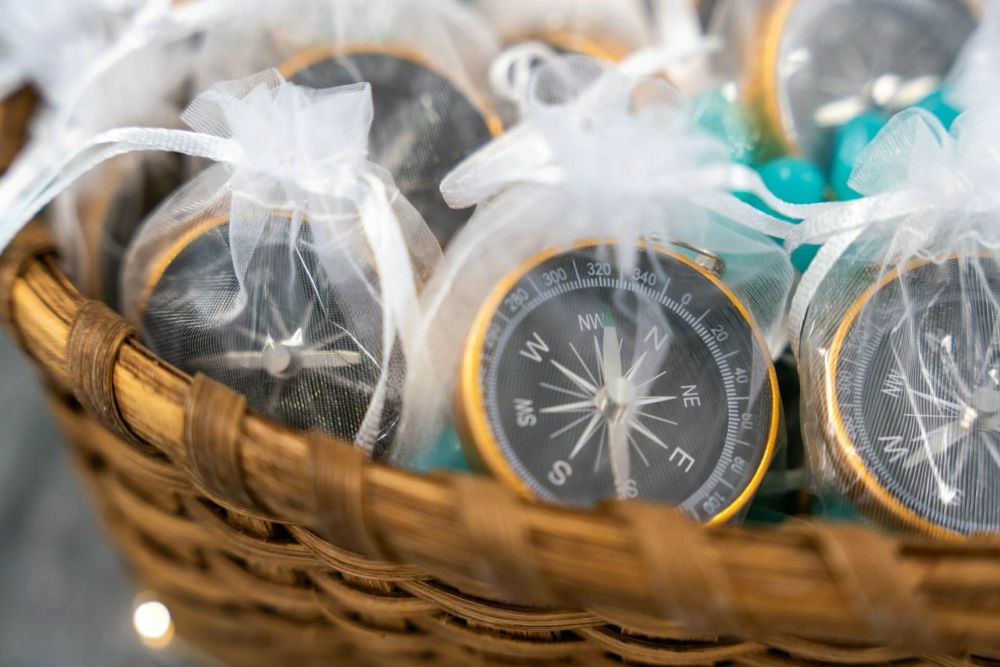
Practical souvenirs work best when they solve small problems and stay present in everyday life. Enterprises can achieve a strong impact by choosing function-first items, keeping branding calm, and aligning delivery with the event flow. The strongest picks respect different roles and routines across a workforce. When the gift fits real habits, it earns repeat use and steady visibility.
