

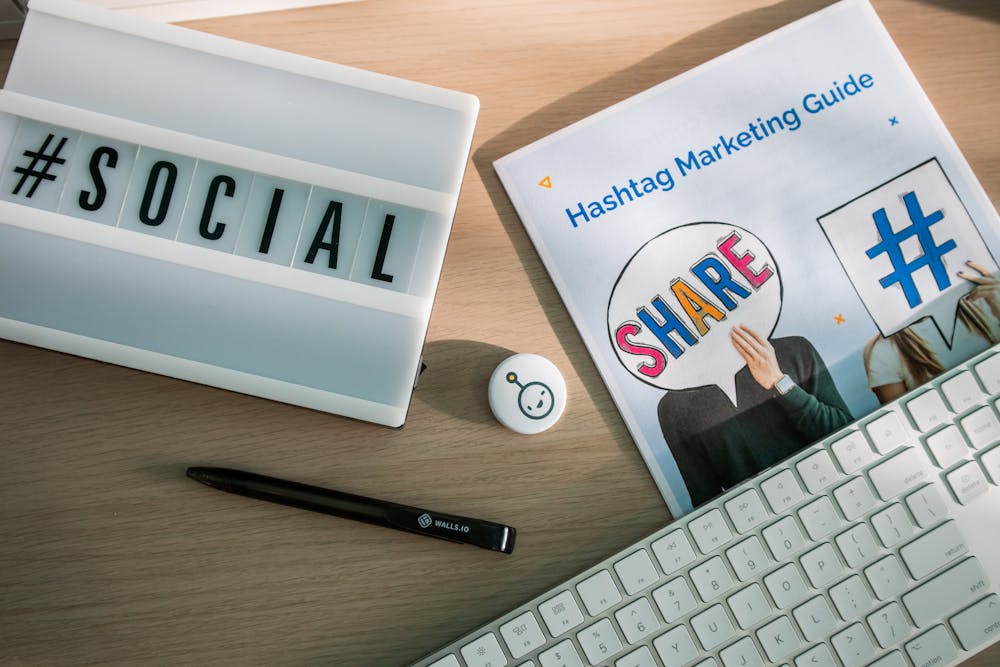
In 2026, customers do not “discover” businesses the way they once did. They search, scroll, compare, and decide within minutes. If your brand does not show up at the right moment, it does not exist to them.
Today’s buyers trust online signals more than sales pitches. They read reviews, follow brands on social platforms, and expect fast, relevant content before they ever make contact. When businesses step out of the digital space, competitors rush in and take their place. Even loyal customers drift away when they stop seeing your brand online.
This article explores exactly why avoiding digital marketing is a dangerous move, what it costs businesses today, and how smart digital strategies keep brands competitive in a crowded market.
Digital Visibility Is No Longer Optional
In 2026, most buying journeys begin online, even when the final purchase happens offline. People search for solutions, compare options, and shortlist brands before they ever reach out. If your business does not appear during that process, it gets skipped. Visibility is not about being everywhere, but about being present where your audience already spends time. Search engines, social platforms, and marketplaces shape perception before a customer forms an opinion. Businesses that ignore digital marketing lose control of that first impression.
E-Commerce Growth Depends on Smarter Digital Strategy
Online retail has become more competitive with each passing year. Shoppers now expect seamless product discovery, relevant ads, and smooth checkout experiences. Without a focused digital strategy, even strong products struggle to gain traction. E-commerce brands that grow steadily pay close attention to audience behavior, campaign performance, and platform trends. Those who cannot invest in an in-house team look for the best ecommerce digital marketing agency and depend on their services for success.
Ultimately, a clear strategy keeps growth intentional instead of reactive.
Customers Expect Personalized Online Experiences
Customers no longer respond to broad messaging. They expect brands to understand their needs, interests, and timing. Digital marketing allows businesses to deliver content that feels relevant rather than intrusive. Email campaigns, targeted ads, and customized landing pages create smoother experiences. When businesses skip digital efforts, they miss these opportunities to connect. Generic outreach feels outdated and often gets ignored. Personalization builds familiarity and trust over time. Brands that invest in tailored communication stay top of mind, while those that don’t slowly fade from consideration.
Social Proof Drives Buying Decisions
People trust other people more than brands. Reviews, comments, and shared experiences influence decisions every day. An active digital presence makes it easier for customers to see proof of reliability and quality. Businesses without online engagement appear inactive or out of touch. Even strong products struggle when there is no visible feedback or conversation around them. Digital marketing encourages interaction, feedback, and brand mentions. These signals reassure potential customers and reduce hesitation. Without them, businesses leave trust to chance, which rarely works in competitive markets.
Data-Driven Marketing Outperforms Guesswork
Digital marketing provides clear insights into what works and what doesn’t. Businesses can track clicks, conversions, and behavior patterns in real time. This data helps refine messaging, offers, and channels. Companies that skip digital marketing lose access to these insights. Decisions then rely on assumptions instead of evidence. Over time, this leads to missed opportunities and inefficient spending. Data-driven strategies allow brands to adapt quickly and improve performance. In fast-moving markets, this flexibility becomes a major advantage.
Competitors Will Capture Your Market Share
When a business reduces its digital presence, the market does not pause. Competitors continue to publish content, refine ads, and improve search visibility. Over time, they start appearing in places where your brand once showed up. Customers searching for solutions compare what they see, not what used to exist. Even long-standing businesses lose ground when they stop showing up consistently. Digital marketing keeps brands visible during key decision moments. Without it, competitors gain familiarity and trust by default, making it harder to reclaim attention later.
Digital Marketing Strengthens Every Sales Channel
Digital efforts do not operate in isolation. They influence how customers interact with physical stores, sales teams, and support channels. Online content often answers questions before a call or visit happens. Ads and search results guide customers toward locations, forms, or direct conversations. When businesses skip digital marketing, these connections weaken. Sales teams then handle colder leads and longer decision cycles. A strong digital presence warms audiences early, making every channel more effective. This support system becomes vital as customer journeys grow more fragmented.
Consistent Online Presence Builds Brand Authority
Authority develops through repetition and reliability. When customers see a brand regularly sharing useful information, responding to questions, and staying active, trust grows naturally. Digital marketing creates these touchpoints across platforms where people spend time. Brands that disappear online lose momentum and relevance. Even established names can feel outdated when they stop communicating. Consistency signals stability and confidence. Over time, this presence positions a business as a familiar option rather than an unknown choice in crowded markets.
Digital Marketing Offers Better Control Over Costs
Marketing budgets face more scrutiny as costs rise across industries. Digital marketing allows businesses to adjust spend, test ideas, and track returns closely. Campaigns can pause, scale, or shift quickly based on performance. Businesses that avoid digital channels often rely on fixed-cost methods with limited feedback. This approach makes it harder to measure impact or justify spending. Digital marketing provides flexibility that supports smarter budgeting. Control over costs becomes a major advantage when conditions change unexpectedly.
Long-Term Growth Requires Digital Adaptation
Markets evolve as technology and consumer behavior shift. Businesses that adapt early tend to stay resilient. Digital marketing supports this adaptability by offering tools that evolve alongside platforms and audiences. Companies that resist change often find themselves reacting instead of leading. Over time, the gap between adaptable brands and stagnant ones widens. Digital adaptation is not about chasing trends. It is about staying connected to how customers choose, engage, and buy.
Choosing not to invest in digital marketing shapes how a business shows up tomorrow, not just today. Each missed opportunity compounds quietly, influencing visibility, trust, and relevance over time. Brands that stay present online shape conversations instead of reacting to them. They guide customers rather than hoping to be noticed. In a landscape where attention moves fast, the ability to adapt and remain visible often defines who continues to grow and who struggles to keep up.
