


School can feel like a stream of tabs that never stop loading. Practical, interactive lessons cut through that noise by giving students something real to touch, build, measure, and revise. When learning turns into action, attention lasts longer, and the work feels less like memorizing.
Interactive lessons match how students focus
A quiet lecture asks students to hold ideas in their heads for long stretches. An interactive task breaks content into small moves: observe, predict, test, record, talk, repeat. Those quick cycles give the brain many reset points, so students drift less.
A New Jersey education outcomes study looked at achievement data from roughly 1,600 students and included interviews with 23 teachers in one district. The write-up connected stronger results with classroom practices that keep students active and talking through their thinking. That kind of structure turns class time into a series of decisions, not a long listen.
Practice turns content into a skill
Facts sit on the page, but skills live in the hands. When a class shifts into real, hands-on OpenSciEd learning, ideas turn into objects students can test, compare, and explain. The goal changes from repeating a definition to building a claim that matches what the group saw.
This sort of work gives students a safe place to be wrong and try again. A first attempt can fail, then the next try can get closer, and the class learns that effort has a visible payoff.
Practical tasks make feedback fast. Students see the result, talk about what went off track, and adjust one variable at a time, which feels more fair than guessing what a teacher wanted.
Labs teach habits that transfer beyond science
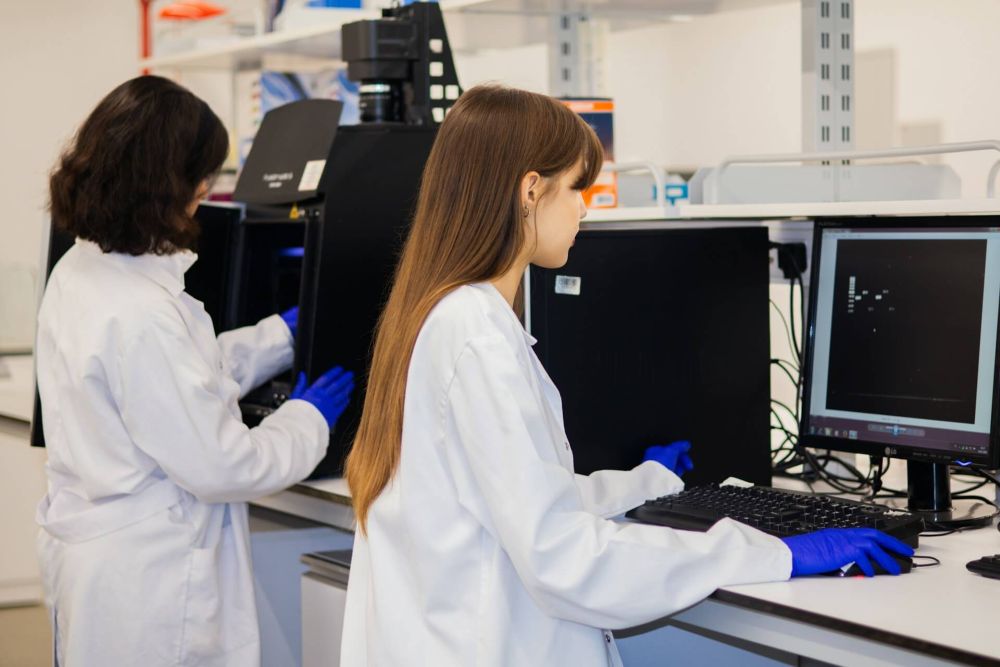
Lab days train students to plan and to notice details. They learn to label materials, set up a clean workspace, follow steps in order, and record what happened without guessing. Those habits show up later in group projects, shop classes, art studios, and even sports practice.
One ERIC-published paper reported that 80% to 90% of students said labs increase learning. That lines up with what many teachers see: doing the work creates more chances to ask questions, spot errors, and fix them in the moment.
Team roles make participation fair
Hands-on activities can drift into one student doing all the work. Clear roles such as manager, measurer, recorder, and reporter spread responsibility and keep quieter students involved. Rotating roles each session builds trust and gives every student a turn with the tools.
A short lab notebook routine keeps the work honest. When students write the setup, the data, and the claim in the same place, they can point back to evidence during a debate instead of relying on memory.
Quality reviews help schools trust the materials
Schools want lessons that match standards and hold up under review. OpenSciEd has been evaluated by EdReports, a group that reviews K-12 instructional materials, and it earned all-green ratings across its 3 high school science courses. That signals strong alignment with expectations for science learning.
A strong review does not guarantee perfect teaching. It does suggest that the sequence of lessons, questions, and assessments has been checked for coherence and rigor, so teachers are not starting from scratch.
Consistency helps students who move between schools or classes. When units follow a clear pattern, students spend less time decoding the rules of the class and more time making sense of the science.
Interactive work strengthens reading, writing, and math
Science class is not only about equipment. Students read short texts, pull out claims, and connect new words to what they observed. They write explanations that use evidence, then revise those explanations after discussion.
Math slips in through data. Students count, estimate, graph, compare rates, and talk about patterns. The numbers feel less abstract when they describe something the class just measured.
Discussion is part of literacy, too. When students practice saying what they noticed, listening for gaps, and rephrasing a peer’s idea, they build the kind of language control that helps in any subject.
Making interactive learning workable every week
Hands-on learning runs best with routines that save time. A few small systems can keep setup short and cleanup calm, even with 30 students and limited space.
- Keep kits in labeled bins with a photo of what belongs inside.
- Put directions on 1 page and add a short checklist at the bottom.
- Use a 5-minute timer for setup and a 5-minute timer for cleanup.
- Start each activity with a single focus question that students can repeat.
- End with 2 sentences: what happened, and what it might mean.
Routines protect learning time. When materials, roles, and expectations stay steady, students can focus on the investigation instead of the logistics.
Practical education gives students more than a correct answer on a quiz. It gives them a method for dealing with new problems: observe, test, explain, revise. When schools build those routines into daily classes, students leave with skills that keep working long after the unit ends.
