

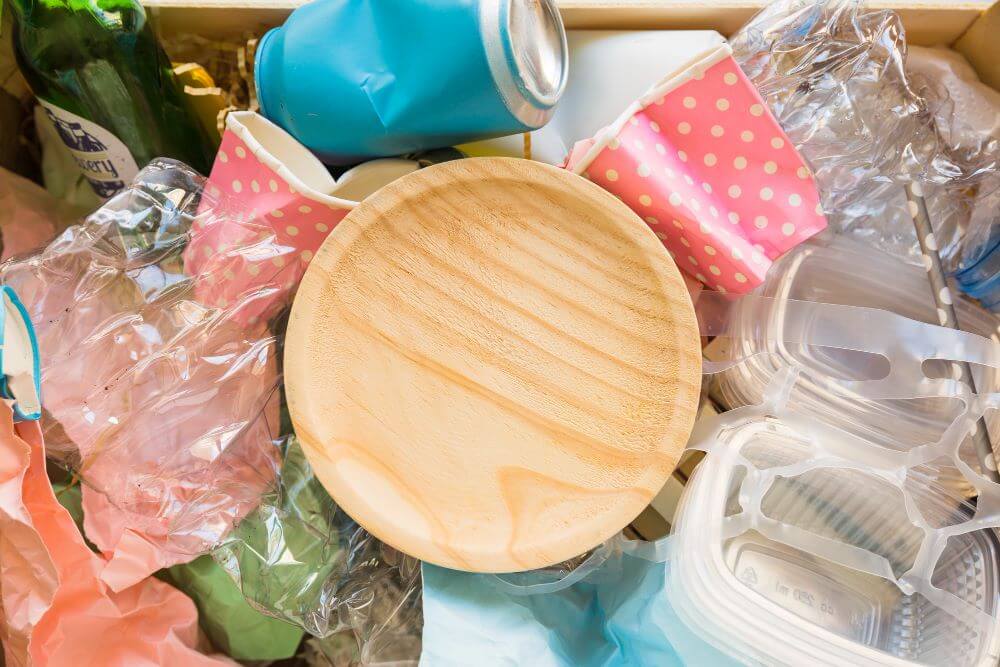
In 2026, Australia’s shift away from single-use plastics is no longer just a trend, it’s an operational mandate. With aggressive state-based plastic bans expanding and consumer ESG (Environmental, Social, and Governance) expectations at an all-time high, retailers face immense pressure to eliminate unnecessary packaging waste. However, “plastic-free” isn’t a magic bullet for every scenario. Brands must carefully balance sustainability with performance, cost, and the customer experience to find solutions that actually work.
1. FSC-Certified Paper Bags for Everyday Retail Packaging
FSC-certified paper bags offer a practical, widely recyclable, and plastic-free checkout solution for Australian retailers, balancing brand visibility with everyday durability and environmental compliance.
Paper remains one of the most accessible and reliable plastic-free alternatives on the market. By ensuring the paper is Forest Stewardship Council (FSC) certified, retailers guarantee their packaging comes from responsibly managed forests.
- Best for: Fashion boutiques, gift shops, pharmacies, beauty stores, and premium retail.
- Key buying considerations: Look closely at handle strength, paper thickness (GSM), water-based inks, and total recyclability.
For retailers needing reliable and visually appealing branded solutions, partnering with an expert craft bag manufacturer like BK-Bags ensures you receive high-quality, custom FSC-certified paper packaging tailored specifically to elevate your plastic-free shopping experience.
2. Cotton Tote Bags for Reusable Shopping and Brand Visibility
Cotton bags transform a simple retail transaction into a reusable marketing asset. When customers use your branded bag at the gym or grocery store, your packaging continues to deliver ROI long after the initial purchase.
- Best for: Fashion retailers, organic stores, bookstores, and promotional campaigns.
- Material Comparison:
- Lightweight cotton: Affordable, flexible, and easy to store.
- Canvas: Thicker, stronger, and inherently premium.
- Mixed cotton: The sweet spot for balancing cost-efficiency with durability.
BK-Bags manufactures customizable cotton, canvas, and mixed-cotton tote and duffle bags built for long-term brand visibility.
3. Reusable rPET, PP Woven, and PP Non-Woven Bags
It is crucial to be transparent: these bags are made from plastics. However, because they replace hundreds of single-use bags over their lifecycle, they remain vital for waste reduction.
- Best for: Supermarkets, department stores, and high-volume trade shows.
- The benefit: rPET (recycled polyethylene terephthalate) directly supports a circular economy by repurposing plastic bottles into durable goods.
For retailers needing heavy-duty, reliable checkout options, working with a dedicated PP woven shopping bags manufacturer like BK-Bags provides access to premium PP woven, non-woven, and rPET bags. Position these honestly as “recycled-content” or “reusable” rather than “plastic-free” to build consumer trust while effectively reducing single-use waste.
4. Recycled Paper Mailers and Cardboard Packaging for E-commerce
With the explosion of online shopping, wrapping items in non-recyclable bubble mailers is a massive reputation risk. Australian consumers expect unboxing experiences free of unnecessary plastic void fill.
- Main options: Kraft mailers, corrugated cardboard boxes, shredded paper fill, and water-activated paper tape.
- Actionable advice: Always right-size your packaging to minimize waste, and test strength to prevent shipping damage. Avoid mixed-material mailers (like paper lined with bubble wrap), which confuse consumers and contaminate recycling streams.
5. Compostable Packaging for Food, Grocery, and Takeaway Retail
Compostables only work if they actually end up in a compost bin. Vague “biodegradable” claims lead to greenwashing accusations, so clarity is key.
- Best for: Cafés, bakeries, takeaway food, and prepared meals.
- Key distinctions: Understand the difference between home compostable (breaks down in a backyard bin) and industrial compostable (requires high-heat commercial facilities).
- Compliance Warning: Australian state laws vary wildly. Always check local regulations, as states like WA and SA have strict bans that include certain compostable bioplastics.
6. Molded Fibre and Pulp Packaging for Product Protection
Made from recycled paper or plant-based fibres, molded pulp is the ultimate sustainable shock absorber. It gives products a clean, minimalist, and natural presentation.
- Best for: Cosmetics, electronics, homewares, and subscription boxes.
- Buying considerations: Factor in custom mold costs, moisture resistance, and ensure any protective coatings do not compromise the product’s recyclability.
7. Jute and Natural Fibre Bags for Eco-Friendly Retail Packaging
Jute aligns perfectly with organic, farm-to-table, or eco-conscious branding due to its raw, natural aesthetic and incredible tensile strength.
- Best for: Grocery stores, farmers markets, wine merchants, and regional tourism.
- Practical considerations: Remember that jute has print limitations compared to smooth paper. Consider sewn labels instead of direct printing, and evaluate laminated vs. unlaminated finishes to protect against moisture.
Plastic-Free Packaging Alternatives Comparison
| Packaging Alternative | Best For | Plastic-Free? | Reusable? | Branding Potential |
| FSC paper bags | Fashion, gifts, pharmacy, beauty | Yes | Limited | High |
| Cotton tote bags | Fashion, lifestyle, wellness, promos | Yes | Yes | Very high |
| Jute & natural fibre | Grocery, gifting, artisan retail | Yes | Yes | Medium-high |
| Recycled paper mailers | E-commerce shipping | Usually no | Medium | Medium |
| Compostable packaging | Food, grocery, takeaway | Depends on material | No | Medium |
| Molded fibre packaging | Inserts, trays, fragile products | Yes (if fibre-based) | Usually no | Medium |
| rPET / PP reusable bags | Supermarkets, promotions, high-volume | No | Yes | High |
How to Choose the Right Sustainable Packaging Supplier
Selecting a sustainable packaging supplier requires auditing material certifications like FSC or GRS, reviewing customization options, and avoiding greenwashing through transparent, verifiable product claims.
- Check Certifications: Demand proof. Look for FSC (paper), GRS (recycled content), and supplier-level ethical audits like BSCI, Sedex, or ISO.
- Review Customization: Ensure the supplier can handle your specific GSM thickness, print method, lead times, and MOQs (Minimum Order Quantities).
- Avoid Greenwashing: Use precise language like “GRS-certified recycled-content bag” rather than vague terms like “Earth-friendly.”
The Best Plastic-Free Packaging Alternative Depends on the Retail Model
Paper, cotton, jute, recycled cardboard, and molded fibre represent the most effective, genuinely plastic-free choices available today. Conversely, while rPET and PP bags aren’t plastic-free, they are formidable allies in high-volume, lower-waste retail strategies when marketed transparently. B2B manufacturers like BK-Bags can help brands navigate this transition by providing tailored, certified packaging, from custom paper and cotton totes to rPET and promotional bags, ensuring your retail model aligns with 2026’s sustainability demands.
Frequently Asked Questions
What is the best plastic-free packaging alternative for Australian retailers in 2026?
FSC-certified paper bags are the easiest starting point for most retailers. Cotton, jute, recycled paper mailers, and molded fibre are superior for brands needing stronger reuse, shipping durability, or internal product protection.
Are compostable bags allowed under Australian plastic bans?
It depends entirely on the state, product type, and certification. Retailers must check local regulations before switching, as some state bans explicitly include specific bioplastics or compostable plastic items.
Are reusable PP non-woven bags plastic-free?
No. PP non-woven bags are plastic-based. However, they drastically reduce single-use waste when designed for repeated use and transparently marketed as “reusable” rather than “plastic-free.”
What certifications should retailers look for when buying sustainable packaging?
Look for FSC (paper), GRS (recycled-content materials), recognized compostability standards, and ethical factory audits such as ISO, BSCI, or Sedex.
Can Australian retailers customize plastic-free packaging with their logo?
Yes. Most materials, including paper, cotton, jute, cardboard mailers, and reusable shopping bags, can be fully customized by size, material thickness, handle type, and print finish.
