


Team huddles can be the sharpest tool in your collaboration kit when they are short, focused, and human. Done right, they help teams spot risks early, share context fast, and align on what matters today.
The problem is that many huddles drift into status theater or calendar clutter. You can fix that with a few tactical choices that shape the pace, energy, and outcomes of the time you spend together.
Define The Purpose In 1 Sentence
Start by writing a single sentence that explains why your team huddles exist. Keep it visible in the invite notes and at the top of your agenda. If a topic does not support that purpose, it belongs elsewhere.
Put blunt guardrails around what the huddle is and is not. For example, it is for commitment updates and blockers, not for deep design debates or quarterly planning. When the goal is crisp, everyone knows how to prepare.
Revisit the purpose quarterly. Teams change, scopes change, and so should the huddle. A fast retro survey keeps the purpose relevant and prevents drift.
Rotate Quick Wins And Roadblocks
Open with fast wins to prime momentum. Then scan for roadblocks that threaten today’s work. This order keeps energy high while surfacing risk before it bites.
Use a simple round-robin to ensure every voice gets space. Reinforce habits with a link on how to run effective team huddles so newer members can ramp quickly, then close with a crisp summary. The goal is a repeatable rhythm, not long speeches.
When roadblocks appear twice, escalate. Assign an owner, a due date, and the smallest next step. If it is still stuck by the next huddle, move it to a problem-solving session.
- Quick wins set the tone and signal progress.
- Roadblocks reveal risk, even if it is small.
- Clear owners prevent issues from bouncing around.
Set A 15-Minute Timebox.
Most huddles work best with a 10 to 15-minute cap. This forces clear priorities and cuts rambling. If you cannot finish within that window, split the huddle by stream or move problem-solving offline.
Keep an eye on meeting load across the week. Calendly’s 2024 report found that leaders handle heavy meeting traffic, so a tight huddle respects limited attention. A reliable 15-minute ritual builds trust that you will give time back when possible.
Protect the timebox with simple mechanics. Use a visible timer, set speaking slots, and park off-topic threads. Ending at minute 13 sometimes is a culture win.
Lock The Agenda Before The Call
Publish the agenda at least a few hours in advance, and freeze it 30 minutes before the start. RealityPathing notes that huddles are designed to be brief, typically 10 to 20 minutes, so a right-sized agenda is nonnegotiable.
Limit the agenda to 3 categories: wins since last huddle, critical updates, and blockers. Anything that does not fit should be moved to async notes or a separate deep-dive meeting.
Invitees should add their line items beforehand. If the agenda is light, do not pad it. Use the time to reinforce wins, then end early.
Use A 3-Tier Status Pattern
Replace vague updates with a tight pattern: Today’s Focus, Blockers, and Help Needed. Ask people to speak to those 3 items only. It keeps updates relevant and easy to scan.
If a blocker is raised, capture the trigger, impact, and a concrete next step. This makes it easier for others to jump in after the huddle with help or context.
Reserve storytelling for async channels. In the huddle, summarize in 1 or 2 sentences. The shorter the words, the faster the team can act.
Build Micro-Relationships In Minutes
Healthy teams invest a sliver of time in connection. A TeamBuilding article suggested saving a few minutes each hour of meeting time for human moments. In a huddle, that might be a fast icebreaker, a shout-out, or a gratitude loop.
Keep the connection ritual consistent and tiny. Two minutes is enough for a quick question like What’s one win outside work this week. Small trust deposits add up across a quarter.
Rotate prompts so they do not feel stale. Make them inclusive and easy to answer. If time is tight, move the connection to the end and skip it when you are over the timebox.
Keep Notes Light And Visible
Huddles should not create paperwork, but you do need a trace. Use a single-page doc or board with 3 sections: Decisions, Blockers, and Owners. Keep each line under 140 characters.
Record only what someone must act on. Skip generic status. If a decision is made, write it in the past tense so it is unambiguous.
Pin the doc in your team channel. People who miss the huddle can scan it in 60 seconds and get back to work.
Close With Commitments And Owners
End every huddle with a commitment roll call. Each person speaks a single outcome for the next work block, plus any help they need. Say it out loud to make it stick.
Translate commitments into visible tasks within minutes. Tags, due dates, and assignees turn words into work. If a commitment sounds fuzzy, ask what finished looks like.
Use a quick checklist at the end:
- Did we confirm owners and due dates?
- Did we capture risks and next steps?
- Did we end with time to spare?
Inspect And Adapt Every 2 Weeks
Run a two-question retro twice a month. What should we stop, start, and continue? Keep it anonymous for honest input, then change one thing at a time.
Watch leading indicators like attendance, punctuality, and spillover into other meetings. Calendly surveyed 1,200 business leaders on scheduling and productivity, and the theme is clear: time is scarce, and context switching is costly.
Adjust mechanics, not the mission. If people disengage, tighten the timebox, simplify the agenda, or rotate the facilitator. When the ritual feels lighter, it will earn its keep.
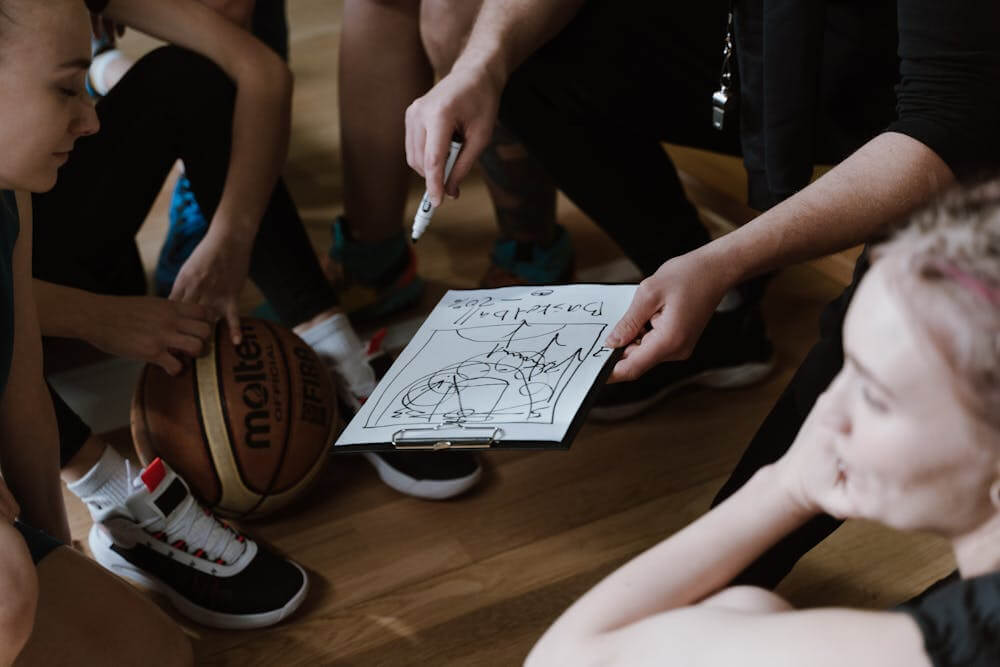
A meaningful huddle is a small habit with an outsized effect. Keep it brief, keep it human, and keep it pointed at outcomes. When the format feels light and repeatable, people show up ready to contribute.
With a clear purpose and a few hard rules, your team can turn 15 minutes into real momentum. The tactics here give you a simple template, one you can tweak to match your work without losing what makes the huddle effective.
