

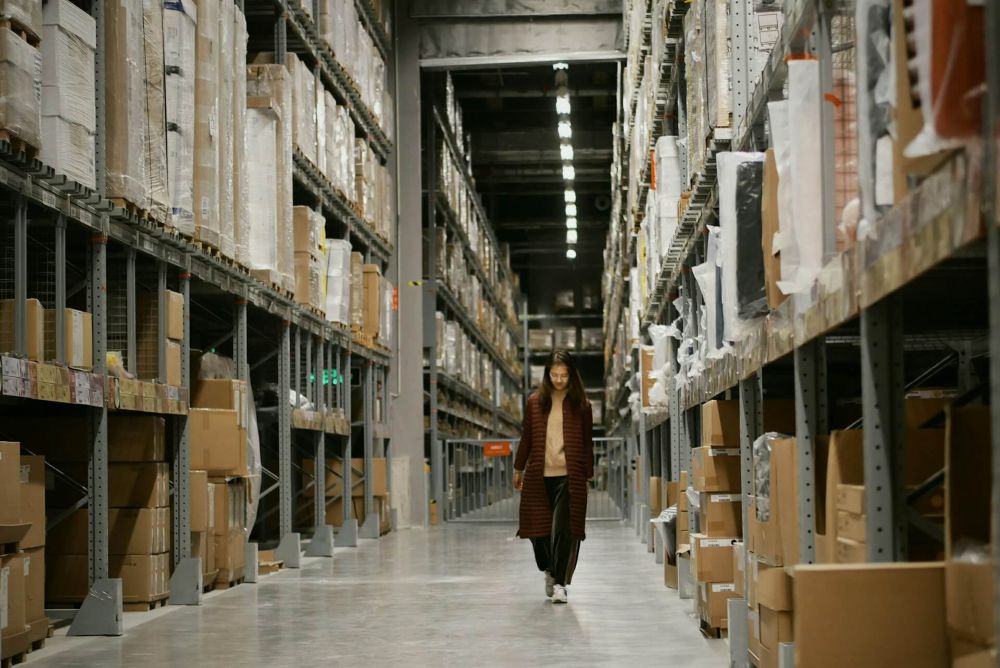
Securing physical assets represents a top priority for any growing enterprise. High-value equipment and sensitive documents require more than just a locked door. Modern businesses often find their current premises lack the specialized features needed for high-level protection.
Moving valuable items to a dedicated depot provides a solution that balances safety and accessibility. Professional facilities use advanced tech to keep items safe 24 hours a day. Finding the right fit involves looking at structural strength and digital integration. Every business owner needs peace of mind regarding their stock and records.
The Evolution Of Commercial Asset Protection
Commercial security moved far beyond simple fences and basic alarms years ago. Current facilities use a multi-layered approach to guard against sophisticated theft. Every entrance and exit now features monitored logging systems. Professionals recognize that physical barriers must work with digital monitoring.
Traditional locks have given way to encrypted access points. Secure depots now serve as a primary defense for companies with significant inventory – providing a level of safety that standard office buildings cannot match.
These sites offer a level of safety that standard office buildings cannot match. Most modern depots include perimeter detection and constant video surveillance. Staff members monitor the grounds around the clock to prevent unauthorized entry.
Advanced Structural Integrity For Modern Depots
Construction methods for storage units have undergone significant improvements in recent years. Many providers now utilize specialized building components that offer maximum resistance to fire and other hazards. One industry report mentioned that modular vaults are now built using high-strength parts that block entry on all 6 surfaces.
Such designs make it nearly impossible for intruders to find a weak point. Utilizing these materials provides peace of mind for business owners. Strong foundations prevent unauthorized access from below or through the roof. Heavy steel doors and reinforced walls come as standard features. No company should settle for thin walls when storing $10,000 of gear.
Maximizing Operational Space With Offsite Storage
Keeping surplus inventory on site creates clutter and slows down daily tasks. When teams utilize a Gisborne storage facility for their extra gear, they reclaim valuable floor space. Clearing out the main office helps employees stay organized and productive. Managers can then focus on core operations without tripping over boxes. Large items stay out of the way but remain ready for quick retrieval. Professional depots offer a clean environment for sensitive business records. Having a tidy workspace improves morale and efficiency. Small offices often struggle with paper files and seasonal equipment.
Efficiency Benefits For Growing Companies
Expansion leads to higher rent costs and logistical headaches. Outsourcing storage needs helps companies scale without signing expensive new leases. A recent blog post explained that using storage strategically lets businesses cut down on wasted space and skip unnecessary expansions.
Smart leaders use this method to stay lean and mobile. It allows a company to grow its stock levels without immediately building upgrades. Efficiency improves when tools and products sit in a managed environment. Inventory management becomes much simpler with a dedicated off-site location. Teams can access their gear whenever a project requires it.
Next Generation Identity And Access Management
Digital tools play a massive role in modern site security. Monitoring who enters a facility requires sophisticated identification methods. An article on security trends highlighted that identity protection now covers operational technology and autonomous agents. Biometric scanners and mobile credentials have replaced physical keys in most high-end depots.
Monitoring systems track movement in real time to prevent unauthorized presence. Technology keeps a constant eye on every corner of the property. Data logs show exactly who accessed a unit and when. This transparency helps managers keep track of staff and contractors.
Layered Defense Strategies In High Security Environments
Protecting assets requires several different types of hardware and software. Each layer adds a new level of difficulty for potential intruders.
Key Security Components
- Perimeter fencing with anti-climb features prevents initial entry.
- Motion sensors detect activity in quiet zones during off-hours.
- High definition cameras provide visual proof of all site activity.
- Individual unit alarms notify staff of any forced entry attempts.
- Smart lighting systems illuminate dark areas automatically.
- Backup power sources keep the security systems running during outages.
These features work together to create a formidable barrier. Owners can monitor their units through mobile apps at any time. A combination of human guards and automated systems provides the best results.
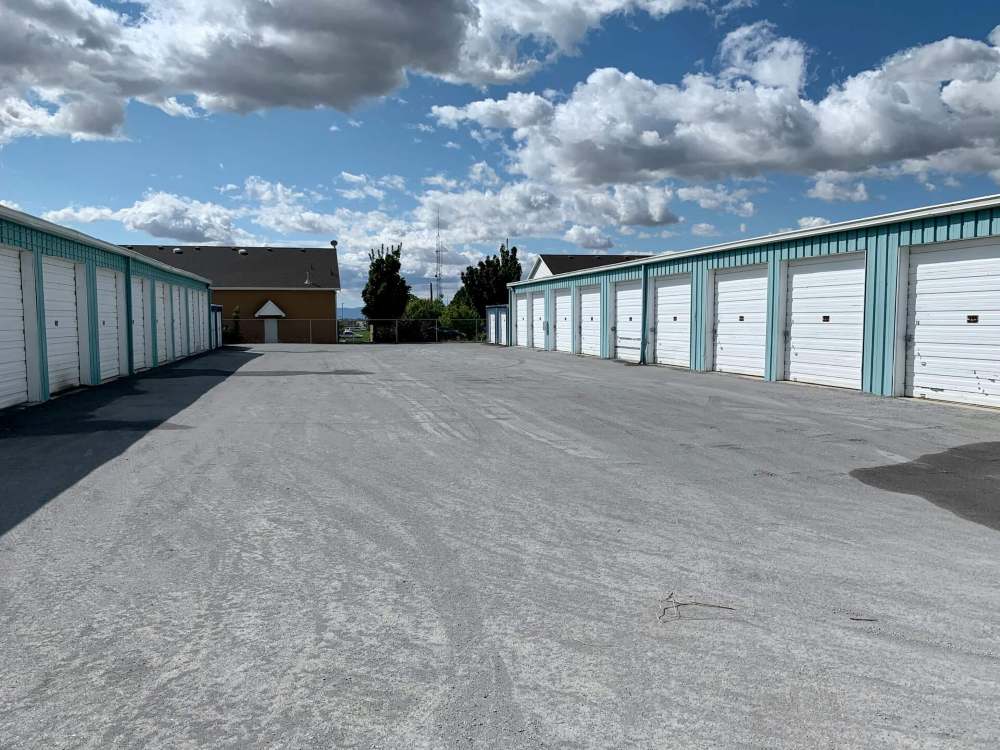
Modern storage solutions offer more than just a place to put things. They provide a high-tech shield for the physical parts of a business. Using professional depots allows owners to sleep better at night. Assets stay protected by the best materials and the latest software.
Companies that prioritize security often see better growth and stability. Selecting a facility with the right features makes a huge difference in long-term success. Keeping valuable items safe is a continuous process that pays off. Every asset deserves the best protection available.
