

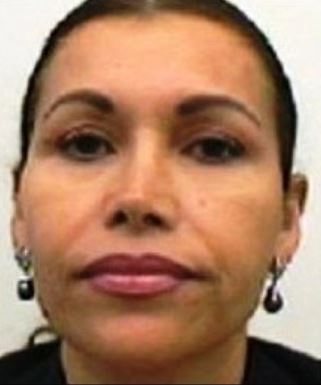
Alejandrina María Salazar Hernández—her name alone invites a host of questions and images. Born July 17, 1958, in the sun-drenched streets of Culiacán, Sinaloa, she entered the world at a pivotal moment in the swirling world that the city has become infamous for. Known famously as the first wife of Joaquín “El Chapo” Guzmán Loera, Salazar is more than just a footnote in the life of one of history’s most notorious drug lords. At age 19, she tied her life to Guzmán’s through marriage. It was 1977, and Culiacán was more a small city on the cusp of explosive growth than it was the throbbing epicenter of the narco universe today. What followed was a story intertwined with ambition, risk, and power.
At first glance, one might wonder what drew her into a marriage with such an audacious character. But let’s rewind a little. In the dusty, sunlit streets of Culiacán, Alejandrina grew up amidst an atmosphere that ebbed and flowed with the sounds and secrets of a community intimately familiar with ambition and struggle. The setting for the early days of her life was an ironic juxtaposition—a world where families shared evening meals against a backdrop of emerging cartel dreams.
Family Life and Children
With Guzmán, she started what could be called a dynasty of a sort. Alejandrina and Joaquín’s union in 1977 wasn’t just a marriage; it was a merger of sorts, uniting families steeped in Mexico’s budding narco culture. Shortly after, the couple welcomed their children: Alejandrina Gisselle, Iván Archivaldo, Jesús Alfredo, and César Guzmán Salazar. For many, these names may sound like characters plucked straight from a real-life drama—children raised within the embrace of a family whose name would become synonymous with both infamy and fortune.
For a moment, imagine growing up in such an environment: an upbringing colored by luxury and shadowed by the persistent hum of a looming legacy. Alejandrina Gisselle, the eldest, was born on October 15, 1981, arriving into a world on the brink of transformation. Each of the Guzmán Salazar siblings carries a piece of their father’s audacious spirit, but they also reflect their mother’s tenacity—a woman who, despite a turbulent marriage and its myriad implications, nurtured her family amid tumultuous times.
Legal Implications and OFAC Designation
Let’s pause to consider a particularly critical twist in the tale: the legal shadows cast over Alejandrina María’s life. In an era where alliances and actions were fraught with peril, it was on June 7, 2012, that Alejandrina found herself spotlighted by the U.S. Department of the Treasury’s Office of Foreign Assets Control (OFAC). The OFAC leveled a serious accusation—designating her for alleged material support to Guzmán’s narcotics trafficking activities and the Sinaloa Cartel.
Her involvement—whether active participant or merely a figure caught in the web—is itself a compelling narrative thread. This has led to an enduring question: How complicit was she? As with any story involving a person tangled in such a broad network, the nuances make it challenging to draw clear lines of distinction.
The OFAC designation, while a hiccup for those who operate in open society, is more than a slap on the wrist when you’re part of an empire like the Sinaloa Cartel. Her life on paper became a complicated map—a series of logistical challenges defining her movement and access to worldly luxuries.
Residences and Personal Information
Flashing forward to present days, Salazar’s known addresses read like a list of assets under scrutiny: Place yourself in Guadalajara and Zapopan areas of Jalisco, Mexico. Specifically, addresses like Avenida Central 1191-35, Condominio Malaga, or the decidedly upscale Avenida Manuel Acuna 2929 C-6. Each location echoes the complexities of navigated lives, blending everyday normalcy with notoriety.
Alejandrina holds a Mexican nationality—something confirmed by her C.U.R.P. identification number SAHA580717MSLLRL07. It’s a detail, yet such data has more than documentary relevance; it’s a tether to her world and identity, embroiled in both domesticity and drama.
Business Interests and Trademarks
If ever there was an attempt to seize opportunity from adversity, it came with her entrepreneurial endeavors. In 2016, Alejandrina made a bold play—she attempted to register trademarks linked directly to “El Chapo.” Talk about expanding one’s brand portfolio. This endeavor echoes the broader theme of trying to shape a turbulent past into a marketable legacy.
Similarly, her daughter, Alejandrina Gisselle, appeared to follow in her mother’s footsteps, eyeing the potential to capitalize on the infamous name. Business, after all, isn’t just pursued in traditional corporate offices. It navigates through branding halls brushed by the patina of history.
Conclusion
In essence, Alejandrina María Salazar Hernández occupies a unique intersection of personal history and overarching legacy. Her life, a testament to quiet strength amid turmoil, is as much a tale of intrigue as it is a character study of endurance. Her role within the Guzmán family is deeply intertwined with an ongoing saga—a story far from over.
Her legal entanglements and ventures into business branding reflect a woman who, in the proverbial storm’s eye, remains remarkably steadfast. Even as she navigates her connection to a man whose life choices cast long shadows, she maintains a contrasting silhouette of determined resolve. In exploring her story, we uncover endless layers—each one offering another glimpse into the complex network of choices and consequences that define her legacy. As a closing note, let’s ponder what might lie ahead for businesses inspired by such eclectic histories. For those curious about niche markets and familial legacies, perhaps this link serves as an intriguing gateway to further exploration.
Also Read:
