

Have you ever experienced sudden equipment failure even when your electrical system seemed properly installed? This issue often stems from inadequate circuit protection, especially when dealing with sensitive loads. As modern environments rely more on electronics such as computers, automation systems, and medical devices, even small electrical faults can cause serious disruption.
An RCBO breaker plays a key role in addressing these risks. By combining multiple protective functions into a single device, it offers a more complete solution for circuits that demand stability and precision. Understanding its purpose helps you create safer and more reliable electrical systems.
Understanding Sensitive Loads and Their Risks
What Are Sensitive Electrical Loads?
Sensitive loads are devices that require stable and uninterrupted power. Even small electrical disturbances can affect their performance.
Common examples include:
- Computers and servers
- Medical equipment
- Industrial control systems
- Smart home devices
These systems are designed with precision components. That means even minor electrical issues can cause:
- Data loss
- Equipment malfunction
- Permanent damage
Key Pain Points You May Face
When managing circuits with sensitive loads, you may encounter several common challenges:
- Unexpected shutdowns caused by minor electrical faults
- Leakage currents that go undetected by basic breakers
- Increased risk of equipment damage or electrical fires
These issues highlight the need for more advanced protection methods.
What Is an RCBO Breaker and How Does It Work?
An RCBO breaker combines residual current protection and overcurrent protection into a single unit. This means it can detect both leakage currents and excessive current flow, which are common causes of electrical failure.
Inside the device, a monitoring system continuously compares the current flowing through live and neutral conductors. When an imbalance is detected, the breaker trips immediately, disconnecting the circuit. This fast response helps prevent harm to both equipment and users.
Types of Faults It Handles
An RCBO breaker is designed to respond to multiple fault conditions:
- Earth leakage currents
- Overloads caused by excessive demand
- Short circuits due to wiring issues
- Potential electric shock hazards
This wide coverage makes it particularly suitable for sensitive applications.
Why RCBO Breakers Are Ideal for Sensitive Loads
High Sensitivity to Small Faults
Sensitive equipment can be affected by very small leakage currents that standard breakers ignore.
An RCBO breaker:
- Detects low-level leakage (as low as 30 mA in many cases)
- Prevents gradual damage to internal components
- Reduces long-term wear on devices
Enhanced Safety for People and Equipment
Electrical faults don’t just damage equipment, they can also pose serious safety risks.
With an RCBO breaker, you get:
- Immediate disconnection during leakage or faults
- Reduced risk of electric shock
- Lower chances of electrical fires
Residual current protection significantly reduces the risk of fatal electric shock in low-voltage systems.
Combined Protection in One Device
Using separate devices, such as MCBs and RCDs, can create gaps in protection.
An RCBO breaker solves this by:
- Covering multiple fault types simultaneously
- Reducing coordination issues between devices
- Simplifying installation and maintenance
Improved Reliability and Continuity
In systems where downtime is costly, maintaining continuity is essential.
RCBO breakers help by:
- Isolating only the faulty circuit
- Allowing other circuits to continue running
- Minimizing downtime
This is especially important in environments like data centers or hospitals.
RCBO Breaker vs Other Protection Devices
To better understand the role of an RCBO breaker, it helps to compare it with other commonly used devices.
| Feature | MCB (Miniature Circuit Breaker) | RCD/RCCB (Residual Device) | RCBO Breaker |
| Overload Protection | Yes | No | Yes |
| Short Circuit Protection | Yes | No | Yes |
| Leakage Protection | No | Yes | Yes |
| Device Integration | Single function | Single function | Combined |
While MCBs and RCDs serve important roles, they address only specific types of faults. An RCBO breaker provides comprehensive protection in one device, making it more suitable for circuits with sensitive loads.
Design Features That Support Sensitive Applications
Compact and Integrated Design
Modern RCBO breakers are built to combine multiple protective functions in a compact form.
Benefits include:
- Reduced panel space usage
- Easier wiring
- Lower installation complexity
Flexible Configuration Options
RCBO breakers are available in a range of configurations to suit different applications.
Depending on your system, you can choose:
- Different current ratings (e.g., 6A to 63A or more)
- Tripping curves (B, C, D) for various load types
- Sensitivity levels for leakage detection
This flexibility ensures compatibility with different applications.
Compliance With Standards
Most RCBO breakers are designed to meet international standards such as IEC 61009-1.
This ensures:
- Consistent performance
- Reliable protection
- Global applicability
Real-World Applications of RCBO Breakers
RCBO breakers are widely used in both everyday and specialized environments.
Residential Use
- Protecting appliances and smart home systems
- Ensuring safety in kitchens and bathrooms
Commercial Settings
- Offices with computers and networking equipment
- Retail systems with sensitive electronics
Industrial Applications
- Control panels and automation systems
- Manufacturing equipment with precise electrical needs
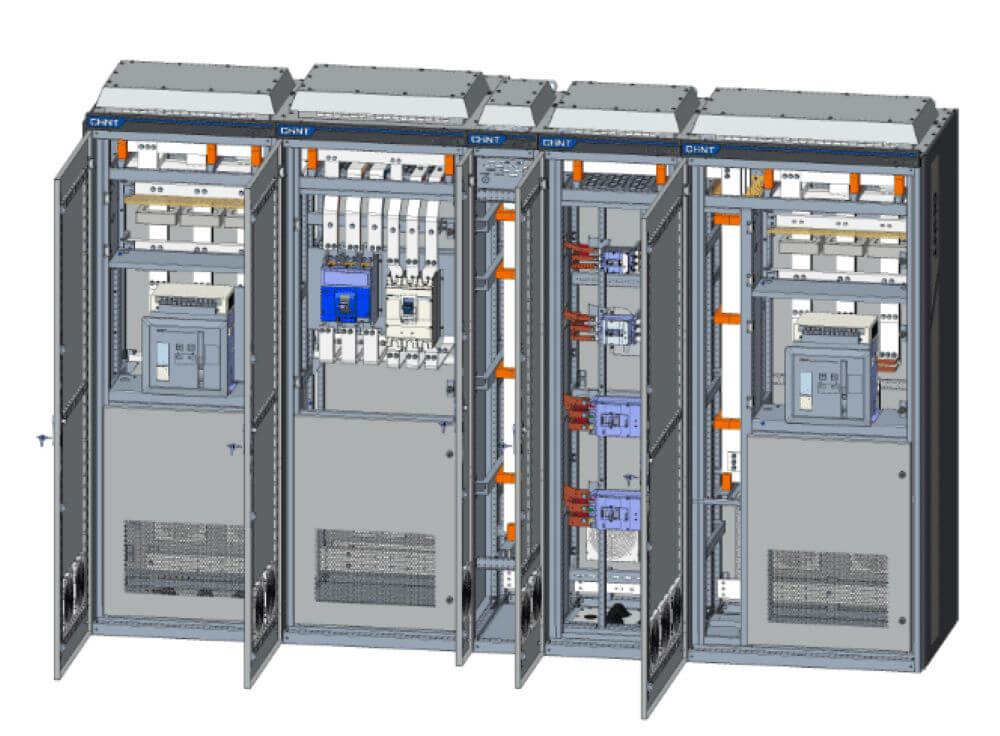
For example, manufacturers like CHINT provide low-voltage distribution solutions where RCBO breakers are integrated into final distribution boards to protect both people and equipment in diverse environments.
How to Choose the Right RCBO Breaker
Selecting the correct RCBO breaker is essential for effective protection. The choice depends on several technical factors that must align with the characteristics of your electrical system.
Key Factors to Consider
- Residual current rating
- 30 mA for personal protection
- Higher ratings for equipment or fire protection
- Tripping curve
- B curve for resistive loads
- C curve for mixed or inductive loads
- D curve for high inrush currents
- System compatibility
- Voltage and frequency requirements
- Environmental conditions
- Available installation space
Choosing the right combination helps prevent unnecessary tripping while ensuring adequate protection.
Limitations and Considerations
While RCBO breakers offer many advantages, they also require careful use.
Potential Challenges
- Nuisance tripping in systems with minor leakage
- Higher initial cost compared to single-function devices
- Need for proper installation and testing
How to Address Them
- Choose the correct sensitivity level
- Ensure proper system design
- Conduct regular maintenance checks
Conclusion
As electrical systems become more complex, protecting sensitive loads requires more than basic solutions. An RCBO breaker provides a balanced approach by combining multiple protective functions into a single device, improving both safety and reliability.
By understanding how it works and how to choose the right one, you can reduce risks, prevent equipment damage, and maintain consistent system performance. Investing in proper circuit protection is not just a technical decision but a practical step toward safer and more efficient operations.
