

Most workplaces have the same problem: space looks “busy” on the calendar, but the reality on the ground is messier. Rooms sit empty between meetings, high-traffic areas get crowded at random, and teams argue about whether they need more desks or fewer.
Smart sensors change that by turning everyday movement into clear, useful data. Instead of guessing, businesses can see how spaces are actually used and make decisions that save time, money, and frustration.
What Smart Sensors Actually Measure In Real Spaces
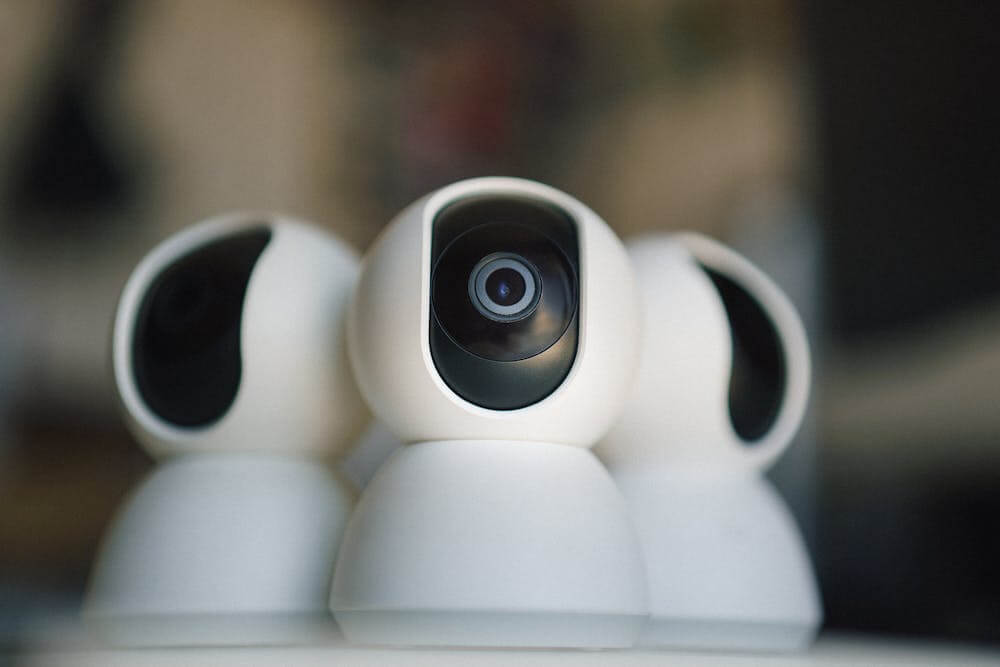
Smart sensors are small devices that detect signals like motion, presence, temperature, light levels, or door openings. In a workplace, that can translate into knowing whether a room is occupied, how long it stays in use, or which zones get the most foot traffic. The goal is operational clarity.
Different sensor types fit different questions. A simple occupancy sensor can tell you whether a meeting room is in use, while a people-counting sensor can reveal peak times in shared areas like lobbies or cafeterias.
When you mix sensor data with schedules and floor plans, patterns show up fast. The big value is consistency.
Turning Occupancy Data Into Better Decisions
Raw occupancy data is only step 1. The real improvement comes when teams agree on what “good usage” looks like and use the numbers to adjust layouts, policies, and schedules.
If small rooms are always overbooked while large rooms sit empty, that points to a sizing mismatch, not a staffing problem. This is where support from specialists with Leading LoRaWAN Expertise can matter, because reliable connectivity keeps data flowing even when sensors are spread across multiple floors and older building materials interfere with signals. Once the data is stable, teams can stop debating anecdotes and start working from shared facts.
Occupancy trends help with forecasting. If office attendance rises every Tuesday and Thursday, you can plan cleaning, catering, and support coverage around those peaks instead of staffing the same way every day.
Reducing Energy Waste Without Hurting Comfort
Energy savings often come from small, repeated fixes. If rooms are unoccupied for long stretches, lighting and HVAC do not need to run at full intensity. Sensors make these gaps visible, and building systems can respond automatically based on real presence rather than fixed schedules.
A peer-reviewed article in the journal Sensors highlighted that occupancy information can help reduce energy consumption by automating building functions like lighting, heating, ventilation, and air conditioning.
That idea is simple, but it adds up quickly when applied across dozens of rooms and long operating hours.
Fixing Meeting Room Chaos With Simple Rules
Meeting rooms are a classic pain point because booking systems reflect intent rather than reality. A room can be “occupied” on the calendar even when it’s empty, and that single mismatch blocks other teams from getting the space they need.
Sensors help close the gap between scheduling and actual usage. Once you can measure no-shows and early endings, you can introduce lightweight rules that feel fair. Common examples include releasing rooms after a short no-show window, suggesting smaller rooms for short meetings, or prompting teams to cancel bookings they no longer need.
A practical approach is to start with one building or one floor. You can test how different policies affect availability and satisfaction, then scale what works without forcing a big change all at once.
Scaling Across Buildings With Long-Range Connectivity
Tracking a single floor is easy compared to tracking multiple sites, warehouses, or mixed-use buildings. At scale, sensor programs succeed or fail based on battery life, network coverage, and how costly it is to maintain devices. If keeping sensors online is painful, the data will be patchy, and trust will drop.
This is why long-range, low-power networking matters for space analytics. It supports sensors that send small bursts of data over long distances, often with batteries designed to last years rather than months. That reduces maintenance visits and makes it realistic to monitor areas that are hard to wire.
In a 2024 press release, the LoRa Alliance projected LoRaWAN connections in smart buildings growing from 439 million in 2024 to nearly 1.8 billion in 2034.
Proving ROI With Clear, Trackable Metrics
The easiest way to lose momentum is to collect data without tying it to decisions. Leaders want to know what the business gets back: lower energy costs, fewer square meters per employee, shorter time spent searching for rooms, or fewer helpdesk tickets about comfort and crowding.
Start by picking a handful of metrics that map to real outcomes. Examples include average meeting room utilization, no-show rates, peak occupancy by zone, and time-to-find-space during busy hours. When you measure before and after a change, you can show impact without overcomplicating the story.
A workplace analytics company, Butlr, has reported that integrating occupancy sensors in commercial buildings can cut lighting energy use by up to 30%.
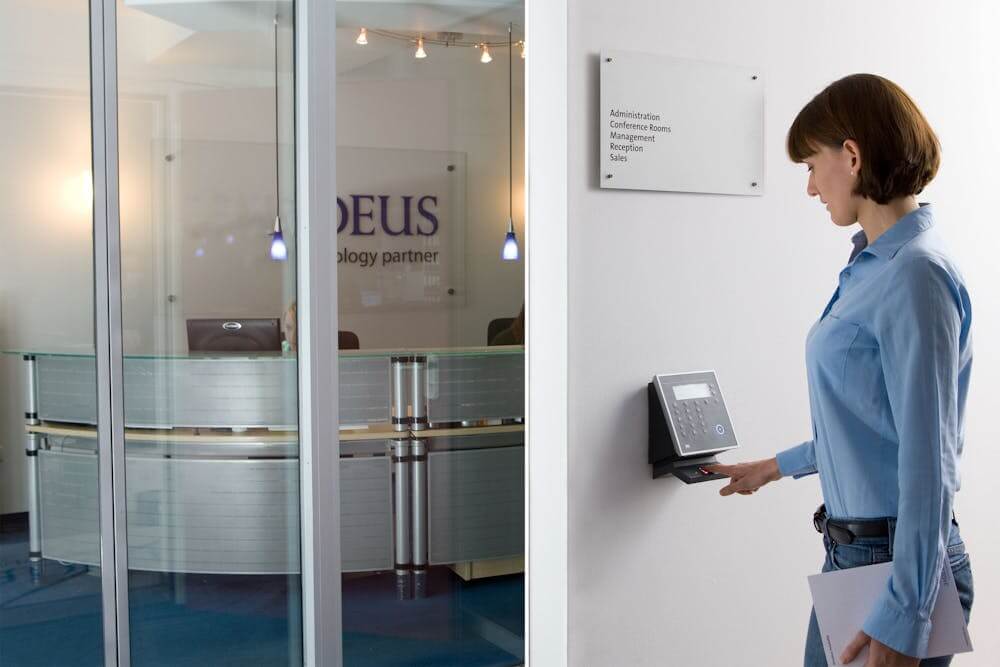
Smart sensors make space management more factual and less emotional. When everyone can see the same usage patterns, decisions about layouts, scheduling rules, and energy settings become easier to justify and easier to improve.
The best results usually come from small, steady iterations: instrument a few areas, learn what the data is really saying, adjust, and expand. With that loop in place, space stops being a fixed cost you argue about and becomes a resource you can actively manage.
