

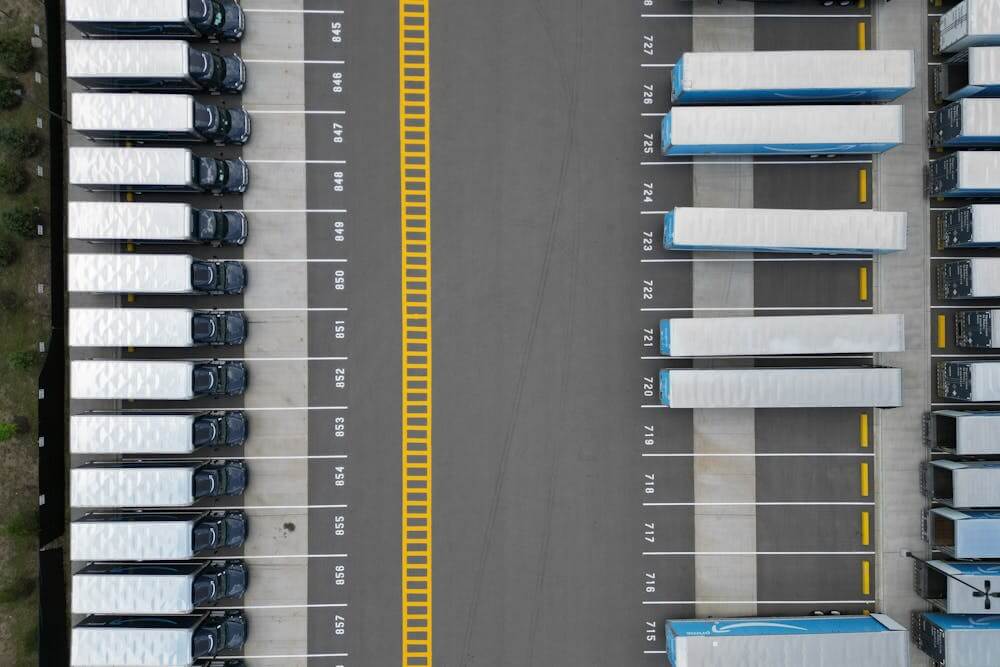
Let’s talk about something every business hates. Waste. In the world of fleet operations, waste is everywhere. It’s in the idle time of a running engine. It hides in an inefficient route. It appears as a sudden, costly repair. For decades, managing this was a constant battle. Managers relied on gut feelings and paper logs. That old approach is over.
A powerful new ally has arrived for modern fleets. Leveraging advanced AI fleet management solutions is no longer a glimpse of the future. It is the essential tool for today. These intelligent systems are transforming costly chaos into streamlined efficiency.
The Old Way of Doing Things
Picture the traditional fleet manager’s office. Walls are covered in static route maps. Desks are buried under maintenance reports and fuel receipts. Dispatch happens over a crackling radio. This method was reactive, not proactive.
A manager found out about a problem only after it happened. A truck broke down on the highway. A driver got lost. Fuel costs spiked for no clear reason. Fixing these issues was expensive and slow. The entire operation ran on guesswork and hope. This was the daily reality. The financial drain was massive and silent.
The Intelligent Co-Pilot Arrives
So, what changed? The answer is constant, intelligent analysis. Modern technology acts as a relentless co-pilot. It monitors every aspect of your fleet. A sophisticated AI fleet management solution processes immense amounts of data. It examines real-time vehicle locations. It scrutinizes driver behavior patterns. It parses historical traffic information.
The system doesn’t just collect this data. It learns from it. The software spots hidden trends. It predicts potential problems. This gives managers a crystal-clear view. They can finally move from reacting to planning.
Slaying the Fuel Cost Dragon
Fuel is often the largest fleet expense. Wasting it is like burning money. AI tackles this problem head-on. The software analyzes each driver’s habits. It flags harsh braking and rapid acceleration. It identifies unnecessary idling times. Managers receive clear reports on these behaviors. They can then provide targeted training.
The system also calculates the most efficient routes. It considers current traffic, road grade, and weather. This ensures every vehicle takes the optimal path. The result is direct and substantial. Fuel bills shrink significantly.
Predicting Problems Before They Explode
Unexpected breakdowns are a nightmare. They cause delayed deliveries. They lead to angry customers. They require expensive emergency repairs. AI changes this dynamic entirely. It enables predictive maintenance. The system monitors vehicle health data. It checks engine diagnostics. It tracks battery voltage and tire pressure.
The AI learns what normal looks like for each truck. It then detects tiny, early anomalies. The software alerts managers about a potential issue weeks in advance. This allows for scheduled, low-cost maintenance. It prevents massive roadside failures.
Making Safety a Data-Driven Priority
Safety is crucial. It protects your drivers. It safeguards the public. It also shields your company from huge liability costs. AI turns safety management into a science. Cameras and sensors inside the cab monitor driver behavior. The system detects signs of distraction or fatigue. It provides real-time audio alerts for unsafe actions. Managers get detailed reports on safety events.
This data is invaluable for coaching. It helps build a stronger safety culture. Fewer accidents mean lower insurance premiums. It also means protecting your most important assets: your people and your reputation.
Unlocking Efficiency Beyond the Road
The benefits extend past the vehicles themselves. AI streamlines the entire administrative side. The software automates complex tasks. It creates optimized schedules automatically. It generates precise electronic logs. It processes fuel tax information effortlessly.
This automation saves countless administrative hours. It also reduces human error in compliance paperwork. Managers gain back their most precious resource: time. They can focus on strategic growth instead of tedious manual work.
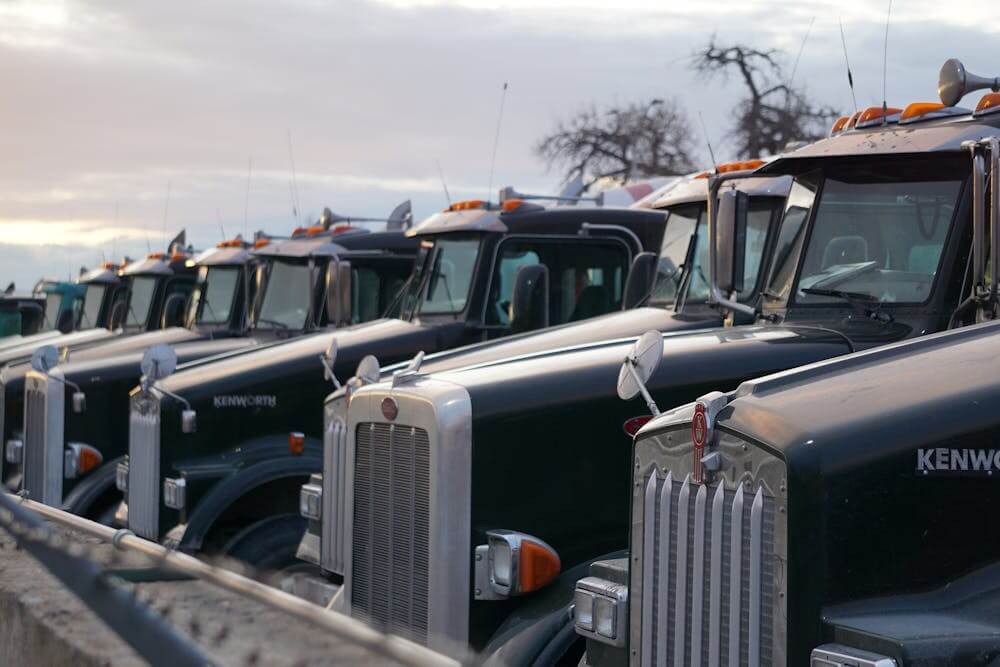
The Road Ahead Is Autonomous
This evolution is just beginning. The next phase involves even deeper intelligence. Future AI fleet management solutions will offer hyper-personalized insights. They will tailor driver coaching to individual learning styles. Systems will integrate with smart city infrastructure. Traffic lights will communicate with approaching trucks. Fully autonomous platooning for long-haul routes is on the horizon.
This continuous innovation promises even greater rewards. Efficiency will reach levels we can barely imagine today. The goal is a seamless, self-optimizing fleet. That future is closer than it appears.
Bottom Line
Adopting this technology is a decisive step. It moves a fleet from merely managing costs to mastering efficiency.
The journey towards a smarter, leaner, and safer operation starts with a single decision. That decision is to embrace the power of intelligent analysis. The open road ahead looks much more profitable.
