

The events industry currently faces a shift in how organizers perceive permanent and temporary infrastructure. For decades, brick-and-mortar halls or simple pole tents served as the primary options for hosting weddings, corporate retreats, and community festivals. However, venue owners now demand more versatility, durability, and cost-efficiency than traditional construction provides. High-performance fabric structures have emerged as the leading alternative, offering a middle ground that combines the permanence of a building with the flexibility of a portable installation.
Modern event planners prioritize environments that offer safety and comfort regardless of the season. Traditional tents often fail during heavy rain or high winds, causing logistical nightmares and safety concerns. In contrast, engineered fabric buildings utilize robust frames and tensioned covers that meet local building codes. This transition signifies a broader trend where functionality and rapid deployment dictate the choice of venue architecture.
Engineering Reliability for Modern Hospitality
Reliability serves as the cornerstone of any successful event space. Venue operators need structures that withstand the elements without requiring constant maintenance. Unlike standard party canopies, these systems utilize steel frames that provide a rigid skeleton capable of supporting significant weight. This structural integrity allows the building to remain standing during winter months or during high-wind events that would typically force a cancellation.
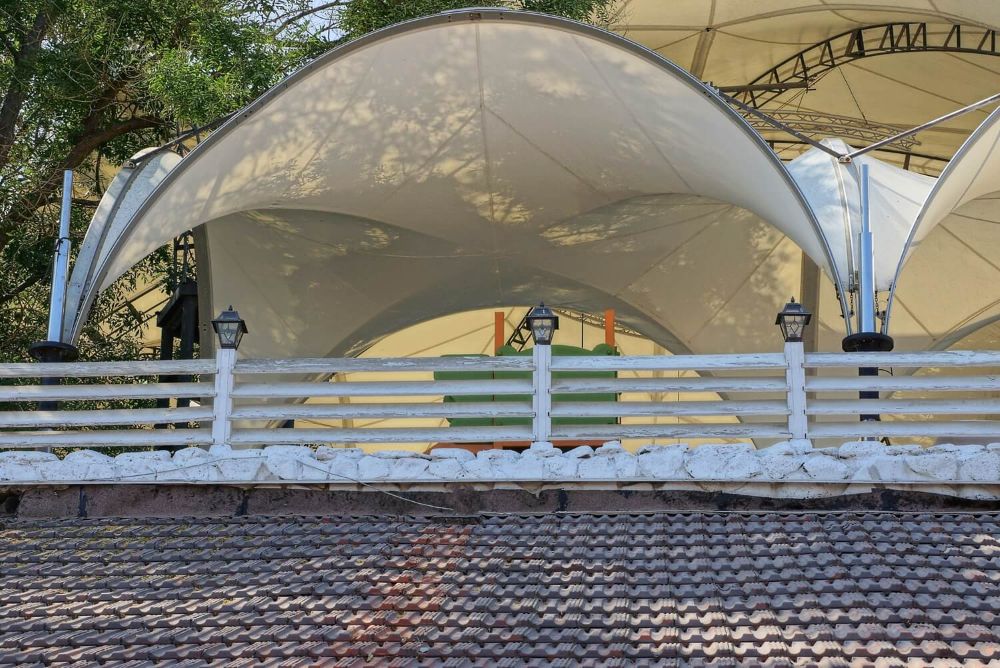
The durability of the frame works in tandem with the exterior cladding. When a venue owner decides to buy a Jubilee canopy for their property, they invest in a structure that bridges the gap between a temporary tent and a permanent hall. This specific type of event structure uses high-tension anchoring to ensure the roof remains taut, which prevents water from pooling and reduces wear over time. By choosing these engineered solutions, owners avoid the repetitive costs associated with replacing cheaper, less durable alternatives every few seasons.
The manufacturing process for these buildings also includes options for different metals depending on the environment. While steel offers maximum strength for heavy snow loads, some designs utilize high-strength aluminum for its lightweight properties and natural resistance to corrosion. This material choice allows for easier transport to remote locations, such as mountaintop resorts or coastal wineries, where traditional construction crews might struggle to operate.
Interior Versatility and Space Optimization
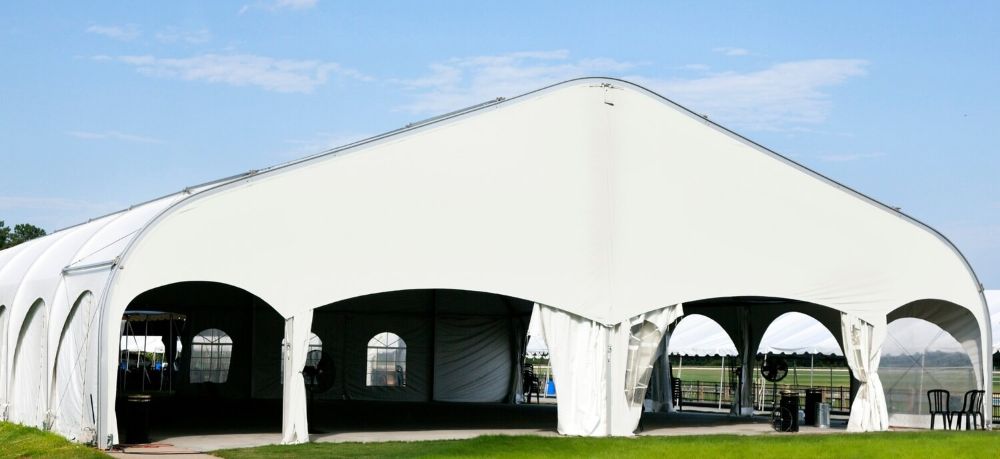
The internal layout of an event space determines its profitability and customer satisfaction. Traditional buildings often require interior support posts to hold up the roof, which creates visual obstructions and limits where guests can sit or dance. Fabric structures solve this problem through a clear-span building design. This engineering feat allows the roof to span wide distances without any internal columns, providing a completely open floor plan.
Organizers can maximize every square inch of the interior for seating, stages, or bars. This openness also simplifies the installation of lighting rigs and decorative elements. Because the interior remains unobstructed, the space can transition from a morning yoga retreat to an evening gala with minimal effort. The flexibility of the floor plan makes fabric buildings more attractive to a wider range of clients compared to the rigid layouts of hotel ballrooms.
Furthermore, the materials used in the roof contribute to a better atmosphere. Many fabric membranes allow a degree of translucency, which creates a soft, diffused glow during the day. This natural lighting reduces the need for artificial lamps during daytime events, saving on electricity costs and providing a better background for photography. At night, the fabric acts as a reflective surface that bounces interior light back down, creating an even and warm ambiance for guests.
Climate Control and Year-Round Utility
A major drawback of traditional outdoor tents is the difficulty of maintaining a comfortable temperature. Fabric buildings address this by integrating modern climate control technology. Manufacturers design these structures to accommodate industrial-grade HVAC systems that keep the interior cool in summer and warm in winter. This capability transforms a seasonal outdoor area into a year-round revenue stream for venue owners.
Thermal efficiency plays a significant role in this transition. Owners can install energy-saving insulation between layers of fabric to keep the conditioned air inside. This insulation also helps with acoustics, which is a common concern for event spaces located near residential areas. To further manage the auditory environment, specialized sound-absorbing covers can be added to the interior. These covers dampen the echo often found in large, open halls, ensuring that speeches and music remain clear and professional.
Simplified Logistics and Site Preparation
Traditional construction projects often involve months of site preparation, including the heavy excavation required for deep foundations. Fabric buildings offer a much faster path to completion. Many of these structures can sit on existing surfaces or simple concrete pads, which significantly reduces the initial investment and the environmental impact on the property.
The modular nature of the building components means that a crew can assemble the entire structure in a matter of days or weeks rather than months. This speed allows a business to begin hosting events much sooner, leading to a faster return on investment. If the needs of the venue change, these buildings are also easier to expand or relocate than a wooden or brick structure.
Architecturally, these buildings offer unique shapes that stand out in the landscape. A canvas arch building provides a modern, curved aesthetic that contrasts well with natural surroundings. This visual appeal helps venues market themselves as unique destinations. The combination of high-quality fabric materials and sleek metal skeletons creates a professional look that appeals to high-end wedding planners and corporate clients alike.
Conclusion
The shift toward fabric buildings in the event industry represents a move toward practical innovation. By prioritizing structural safety, clear-span interiors, and climate-controlled comfort, venue owners can provide a superior experience for their guests. These buildings offer the permanence required for a professional business while maintaining the flexibility to adapt to different event types. As construction costs for traditional buildings continue to rise, the efficiency and durability of engineered fabric structures will likely make them the standard choice for modern event hosting.
