

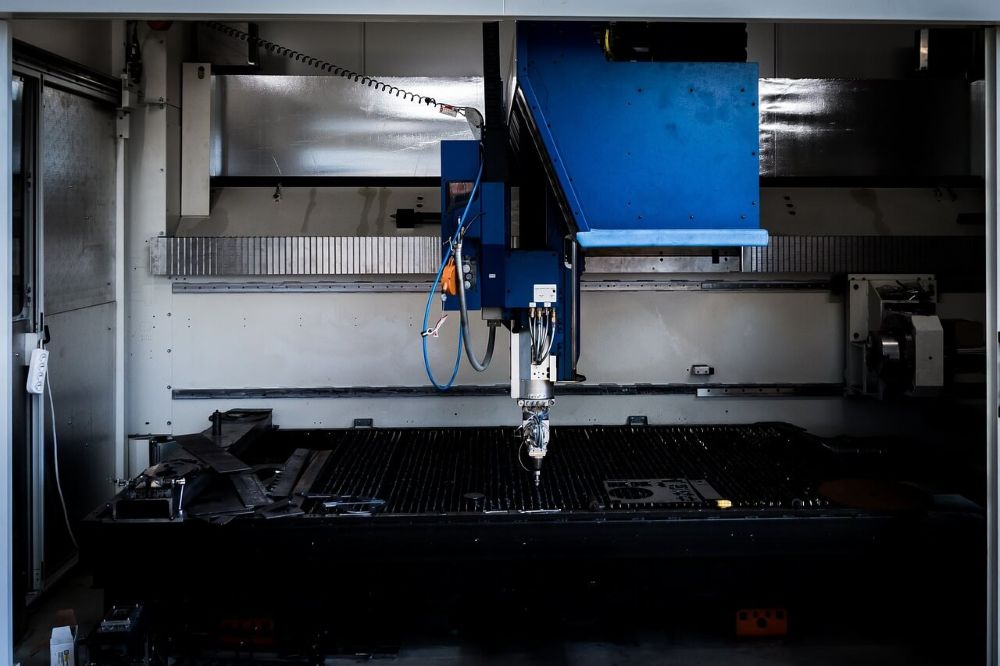
Water jet cutting has become an indispensable tool in modern manufacturing. This technique uses a high-pressure stream of water, mixed with an abrasive material, to cut through a variety of materials. It is known for its precision and versatility, ideal for aerospace and architecture.
The Basics of Water Jet Cutting
Water jet cutting is a cold cutting process, meaning it doesn’t generate heat that could damage sensitive materials. This feature makes it useful when working with metals, plastics, ceramics, and glass. The water jet cutter uses a focused jet of water that can be adjusted to varying pressures depending on the material and the desired cut.
The simplicity of the technology makes it attractive, yet the results it produces are anything but basic. It can create intricate designs and patterns with sharp, clean edges, and it is capable of cutting materials that traditional laser cutting or sawing cannot.
Precision and Versatility in Manufacturing
One of the standout benefits of water jet cutting is its precision. Manufacturers can achieve cuts with tight tolerances, up to ±0.005 inches. Look into waterjet cutting solutions that can be used in a broad range of applications. In the aerospace sector, it creates components with extremely tight specifications, including turbine blades.
The technology’s versatility allows it to cut through a wide range of materials for industries that need to handle diverse product lines. Whether cutting soft materials like rubber or hard metals like titanium, water jet cutting proves to be the most adaptable solution for many manufacturing needs.
Benefits Over Traditional Cutting Methods
When compared to traditional methods, water jet cutting offers numerous advantages. It doesn’t generate heat, which prevents warping or melting of the material. Traditional cutting methods, such as laser or plasma cutting, can produce heat-affected zones (HAZ) that alter the properties of the material being cut. With water jet cutting, these issues are avoided entirely.
The precision of the technique minimizes material loss, which is more advantageous for both cost efficiency and sustainability. The ability to cut intricate patterns reduces the need for secondary operations, streamlining the manufacturing process.
Eco-Friendly Manufacturing with Water Jet Cutting
Water jet cutting is considered a more eco-friendly solution compared to traditional cutting techniques. It requires minimal energy, and the process produces no toxic fumes, dust, or harmful gases. The water used in the cutting process can be recycled, improving the sustainability of the operation.
Many manufacturers are adopting water jet cutting due to its reduced environmental impact. This is true for industries that require cutting hazardous or harmful materials. There’s no risk of introducing contaminants into the environment, a safer option for both workers and the surrounding ecosystem.
Water Jet Cutting in Complex Industries
In architecture and design, water jet cutting is used to create intricate, detailed pieces. Whether it’s cutting tiles for a bespoke flooring design or creating architectural facades, water jet technology allows for cutting with unparalleled complexity. The flexibility in cutting different shapes, patterns, and sizes makes it a valuable tool for creative projects.
Another industry that benefits from water jet cutting is the food industry. Here, it can be used to create perfect portions of food products: cutting cheese, meat, or vegetables into uniform shapes without causing heat-related issues. This preserves the quality and texture of the food and maintains its appeal and freshness.
Cost Efficiency of Water Jet Cutting
The initial investment in water jet cutting equipment can be higher than traditional methods. The good news is that this method reduces the need for machining or finishing, which can lower production costs. Manufacturers can maximize the yield from each material sheet when working with expensive materials like metals or composites. By reducing waste and eliminating the need for secondary processes, water jet cutting helps businesses improve their profit margins.
The versatility of water jet cutting allows manufacturers to use a wider range of materials without needing specialized equipment for each one. That reduces the need for multiple machines, cutting down on operating costs and maintenance. Many manufacturers find that water jet cutting is a cost-effective solution for a variety of production needs.
The ability to recycle water and abrasive materials contributes to the cost-effectiveness of water jet cutting. Recycled materials reduce the expenditure on consumables, which makes this technology even more attractive for companies looking to optimize their resources.
The Future of Water Jet Cutting
The potential applications for water jet cutting are expanding. Robotic water jet cutters and the integration of AI in the cutting process are opening up new possibilities for automation and precision.
Industries are looking for more efficient and sustainable ways to produce products, and water jet cutting will continue to be a key technology. The ongoing development of high-pressure water systems and improved nozzle designs promises even faster, more accurate cutting capabilities in the future.
Manufacturers are exploring the use of mixed materials with water jet technology. Combining abrasive materials with water to cut multi-material products could lead to more complex applications.
Applications of Water Jet Cutting Across Industries
Here’s an overview of water jet cutting in different industries.
- Aerospace: Water jet cutting is extensively used to create turbine blades, fuselage components, and other essential aerospace parts. The technology’s ability to handle composites and high-temperature alloys.
- Automotive: From producing engine components to cutting lightweight materials for vehicle bodies, water jet cutting guarantees that parts meet stringent quality and safety standards.
- Architecture and Design: Architects and designers turn to water jet cutting for its precision and versatility in creating complex, customized designs.
- Food Processing: In the food industry, water jet cutting is employed to process a variety of food items, including meat, cheese, and dough. It provides uniformity while maintaining the integrity of the food’s texture and appearance.
- Medical Industry: Water jet cutting is used in the production of medical devices such as implants, surgical instruments, and precision components.
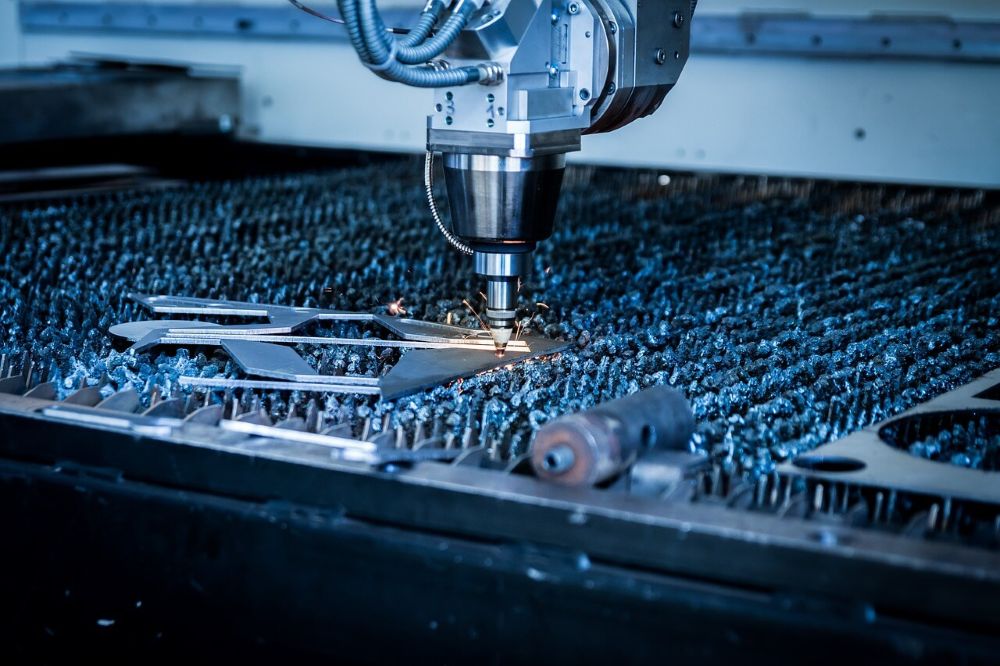
Water jet cutting is a solution that continues to shape modern manufacturing across various industries. Its versatility, precision, and eco-friendly nature make it an ideal choice for a wide range of applications. Water jet cutting will only become more integral to industries that rely on high-quality, intricate parts.
