

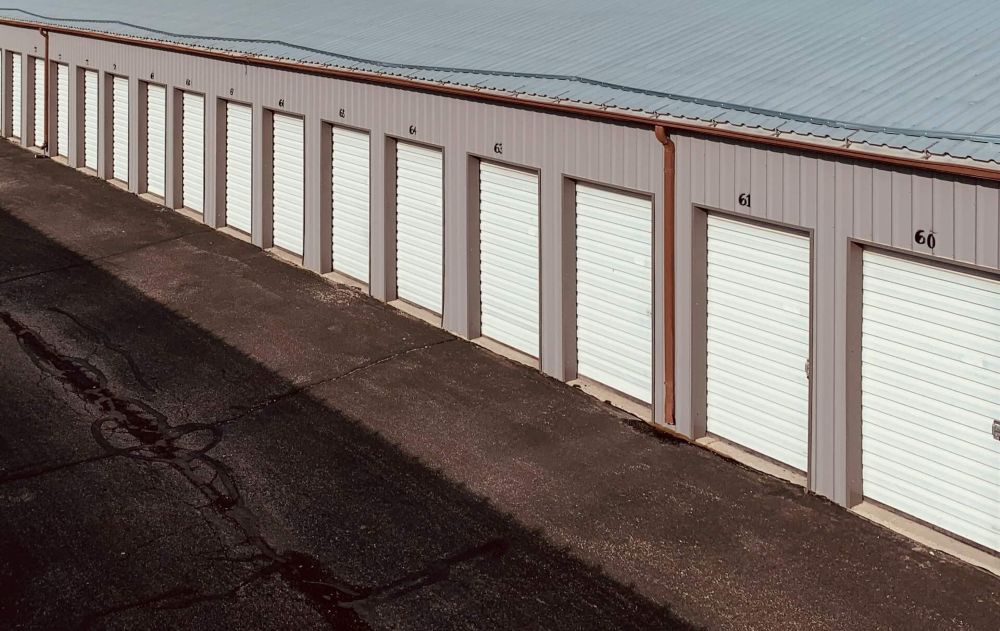
Modern life changes fast, and our spaces need to keep up. Homes flex from quiet work zones to family hubs, spare rooms morph into nurseries, and hobbies grow into side businesses. Storage is the buffer that lets these shifts happen without stress.
The right solution is a mix of size, access, and flexibility that adapts as your life does. With smart planning, you can open space at home, protect what you value, and stay ready for what comes next.
Downsizing Without Downsides
Many people are trading larger homes for smaller, smarter layouts. That shift frees up cash and cuts chores, but it can leave you short on space for seasonal gear, heirlooms, and files. A storage unit bridges the gap so you keep what matters without cramping your rooms.
Think of it as an extension of home that scales up or down as your needs change. You can rotate items by season, archive paperwork, and keep bulky gear offsite. This keeps daily living areas clear and calm.
If you are in a regional hub, location matters. Many households choose a Central Coast storage facility, so access is quick and simple. When the address fits your routine, you are more likely to use the unit well and keep clutter from creeping back.
The Hybrid Home And Work Life
Remote and hybrid work have turned spare nooks into offices. That can squeeze out guest beds, craft tables, and gym gear. External storage gives those functions room to breathe while your workspace stays tidy.
You can store paper archives, extra monitors, or event gear that you do not need every day. When deadlines hit, you grab what you need, then return it so your home stays focused on living. This balance helps you switch mindsets without moving furniture.
A national labor survey noted that millions of Australians are working from home, which has made flexible space a real need rather than a nice-to-have. As hybrid patterns continue, a right-sized unit becomes part of your long-term workspace strategy.
Growing Families, Shrinking Space
Life stages come with stuff. Baby gear arrives fast, school projects pile up, and sports equipment fills corners. Storage lets you pause items between stages, keeping the home safe and open for daily routines.
Label bins by child, season, or activity so swaps are easy. Keep only the current size or set of gear at home and rotate the rest as needed. This cuts cleanup time and reduces wear on furniture and floors.
Australia’s strong population growth adds pressure to household space, and that strain is felt in suburbs as well as cities. A government update confirmed the population passed 27 million in early 2024, highlighting how demand for flexible living is rising across the country.
Turning Hobbies And Side Hustles Into Reality
Creative pursuits and side businesses need room to grow. Inventory, lighting kits, and event displays are hard to fit in a closet. A unit acts like a mini warehouse that scales with your orders and seasons.
Set up clear zones inside the unit for supplies, finished goods, and returns. Use shelves and clear labels so you can count stock at a glance. Keeping business items out of living areas helps you switch off after hours.
Industry research pointed out that self-storage in Australia is a sizable market with steady long-term growth potential. That stability supports better choices for small sellers, from short-term deals to larger spaces when sales spike.
Seasonal Swaps And Smart Rotations
Most homes function better when you rotate. Store bulky quilts and winter gear in summer, then trade beach items when temperatures drop. This keeps closets light and reduces the risk of damage from cramped piles.
Create a simple seasonal checklist and tie it to calendar reminders. When a new season starts, you swap clothes, décor, and tools in a single trip. This habit saves hours of searching and reshuffling.
Here is a quick starter list to keep rotations smooth:
- Group items by season and room before packing.
- Use clear bins and label on two sides and the top.
- Keep a master list on your phone for fast checks.
Protecting What Matters Most
Some items need extra care: instruments, photos, wine, or delicate furniture. Climate-controlled units help guard against heat, cold, and moisture. Good packing matters, from breathable covers to sturdy boxes.
Elevate boxes on pallets and give fragile pieces a buffer zone. Avoid stacking heavy items on soft woods or fabrics. A bit of airflow prevents musty odors and keeps materials stable.
A national outlet reported the country’s growth was fueled by strong migration, which often means more moves and longer storage periods. When timelines stretch, climate control and careful packing protect quality and value.
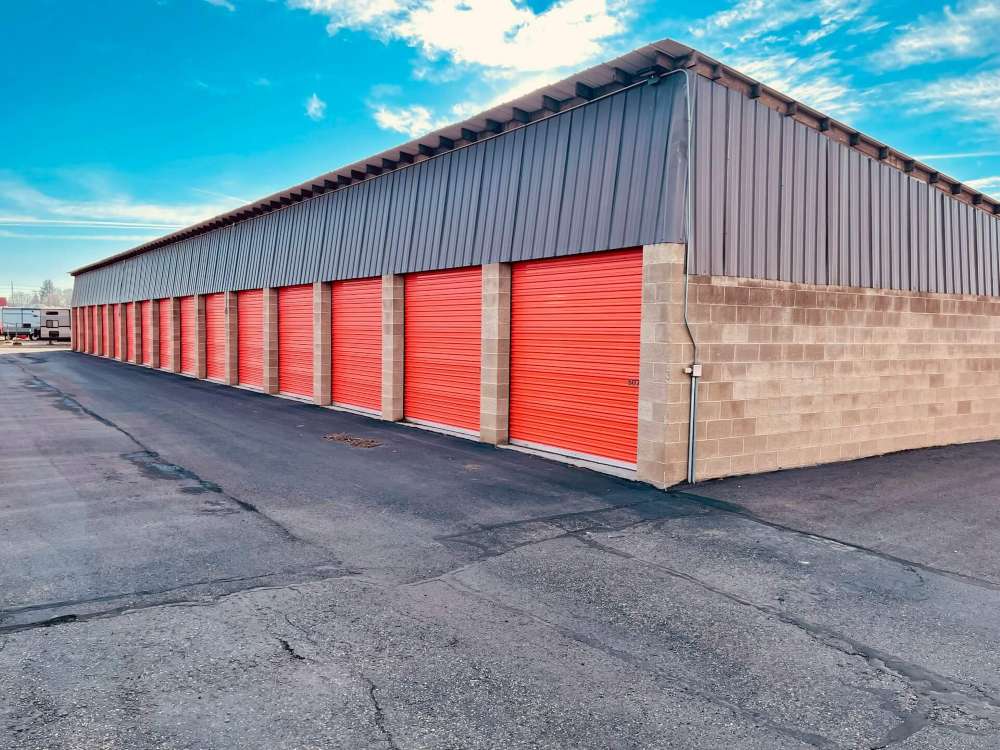
Inventory grows and shrinks as life changes. Your storage plan should flex the same way. Choose a location that fits your routine, build simple systems, and review them twice a year.
When your home can breathe, your days run more smoothly. With the right storage setup, you can adapt to new chapters, keep what matters, and still enjoy clear, livable rooms.
