

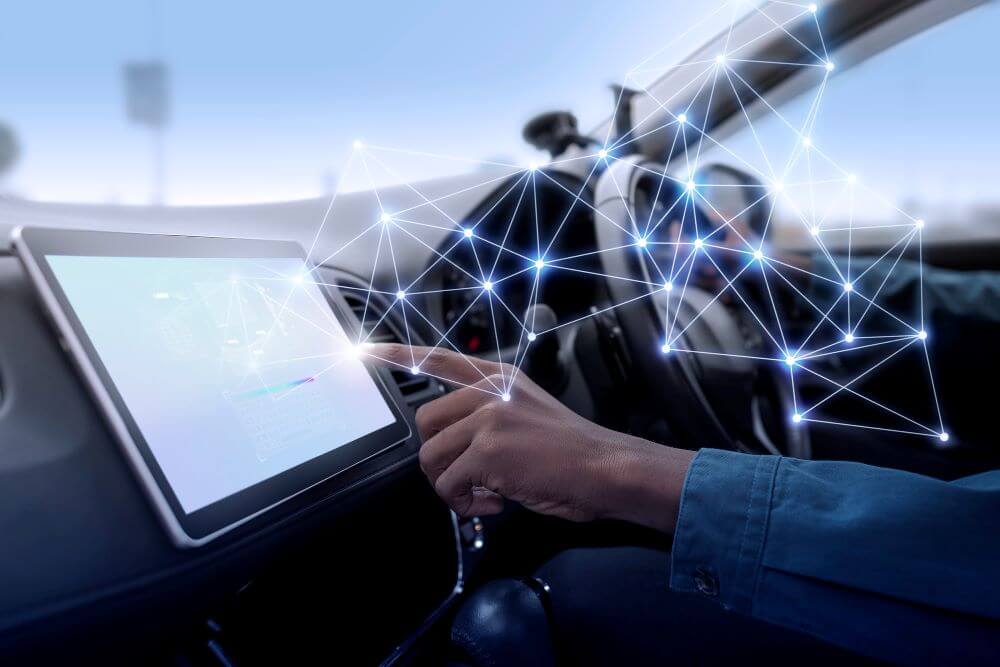
IoT logistics solutions are changing how transportation fleets operate beyond what we could imagine a decade ago.
The adoption rates explain this remarkable growth. Today, 83% of fleet operators use telematics, and this number rises to 93% for larger fleets with over 50 vehicles. Companies embrace these technologies and with good reason, too.
Fleets that use sensor-driven diagnostics see 25% fewer surprise breakdowns and longer vehicle lifespans. Immediate tracking helps detect 18% fewer unauthorized trips.
A “connected fleet” emerges when IoT meets fleet management. This network of vehicles uses sensors, telematics, and GPS to enable immediate communication and informed decisions. These monitoring systems gather and analyze vast amounts of operational information. The sector shows promise as experts predict 80% of commercial vehicles will connect by 2030.
In this piece, we’ll explore how Trafalgar Wireless IoT logistics solutions and similar technologies change transportation operations. You’ll learn about core components, benefits, and implementation strategies that make IoT solutions a worthwhile investment for fleet management.
Would you like to discover how these technologies can give your transportation fleet an edge?
What is IoT in Fleet Management?
A new era of fleet management began as internet-connected devices became small, smart, and affordable enough to deploy in vehicle fleets. GPS trackers marked just the beginning.
Definition of IoT in Transportation
The Internet of Things (IoT) in transportation creates a network of internet-connected devices that you can monitor or control remotely. Companies use this technology to manage their vehicles more efficiently. IoT fleet management deploys internet-connected sensors, GPS trackers, and telematics units on vehicles. These track location, performance, and health in real time.
Picture a digital nervous system for your fleet. Each vehicle becomes a data-generating node in a larger network that constantly sends vital information back to a central brain.
Any asset can join a connected fleet with the right equipment – from medium-duty trucks and 18-wheelers to construction excavators and farming tractors. Regular vehicles transform into smart, communicative assets that help managers make better decisions.
How IoT Connects Vehicles And Systems
Data flows through a sophisticated pipeline. Various sensors gather information from different vehicle parts. GPS might be the most familiar, but other sensors monitor everything from engine health to tire pressure.
Cloud platforms receive this data through cellular networks (4G, 5G) or satellite connections. Specialized software analyzes it and shows insights through dashboards.
The system connects through:
- Embedded systems using pre-installed chipsets and antennas
- Tethered systems relying on smartphone pairing for connectivity
IoT stands out because its components work together seamlessly. Data flows freely between vehicles and management systems, rather than remaining isolated. The system alerts fleet managers immediately through web/mobile apps, email, or SMS if sensors detect an engine issue.
Transportation businesses can make real-time decisions on routing, maintenance scheduling, and driver behavior coaching with this visibility. Trafalgar Wireless IoT for transportation and logistics solutions connects company fleets by transforming vehicle data into real-time operational insights.
Difference Between IoT And Telematics
People often conflate “IoT” and “telematics” when discussing fleet technology, but there is a key difference.
Telematics combines GPS technology with onboard diagnostics (OBD-II) to record and transmit vehicle data. Location tracking and basic diagnostics remain its main focus. The transportation industry sees telematics as the foundation of fleet tracking and management software.
IoT encompasses telematics and a broader network of sensors and devices to enable deeper data collection, analytics, and automation.
Telematics handles vehicle data communication, while IoT builds an entire ecosystem that has:
- Fleet telematics devices
- Cloud infrastructure
- Analytics platforms
- Mobile applications
- Cybersecurity frameworks
- Orchestration tools
An industry expert explains it well: “Telematics is a part of machine-to-machine communication. IoT is the next step in the chain after telematics”. Telematics is gradually becoming just one part of broader IoT solutions as the technology gets cheaper and more sophisticated.
This difference matters because IoT’s expanded capabilities enable complete management. IoT fleet monitoring goes beyond vehicle location to provide insights about driver behavior, cargo area conditions, fuel efficiency, and many other metrics that drive operational excellence.
Core Components of IoT Fleet Systems
A good IoT fleet system works like a well-rehearsed orchestra, with several connected pieces playing their parts perfectly. Here’s a look at the building blocks that power modern fleet management.
Sensors And Data Collection Devices
Sensors act as your fleet network’s eyes and ears, marking the start of data collection. These compact devices capture all activities in and around your vehicles.
Most fleet IoT networks employ different specialized sensors:
- GPS and location trackers monitor vehicle position immediately for dispatching and routing
- Fuel monitoring sensors track consumption to help control costs
- Tire Pressure Monitoring Systems (TPMS) prevent potential blowouts
- Temperature and environmental sensors maintain compliance for temperature-sensitive cargo
- Engine diagnostics sensors assess vehicle health continuously
These sensors connect the physical world of vehicles with data management. Industry experts explain that sensors detect environmental and mechanical changes and convert them into digital signals for transmission and analysis.
Connectivity Options (4G, 5G, Satellite)
Data needs a reliable path from vehicles to management systems. This vital connection determines information speed and fleet operation across different environments.
Cellular networks (4G/5G) remain the most common way to communicate. They provide enough bandwidth for continuous GPS tracking and immediate data transfer. These networks work best in areas with good coverage.
Satellite communication offers a backup option for fleets in remote locations, though it costs more. This method ensures continuous data flow even in rural or isolated areas.
Low-Power Wide Area Networks (LPWAN) handle smaller data packets from sensors that need periodic transmission. Wi-Fi and Bluetooth manage onboard communication between devices inside vehicles.
The worldwide 5G network rollout will boost data transfer between IoT devices. This enables faster fleet management and supports advanced features like communication with road infrastructure.
Cloud Platforms And Analytics Tools
Cloud platforms turn your data into useful information. These systems are the foundations of any fleet management solution.
These platforms offer storage that grows with your fleet. You won’t worry about capacity limits or manual backups. Studies show companies don’t use 60-73% of their data; cloud-based analytics helps solve this issue.
The platforms do more than store data. They use advanced algorithms and machine learning to analyze it. This creates immediate insights about vehicle performance, fuel use, and driver behavior—analytics range from basic filtering to complex predictive models that spot component failures before they happen.
The advantages go beyond operations – 47% of companies pick cloud-based analytics to optimize costs. These platforms cut labor costs and vehicle downtime through preventative maintenance.
Fleet Management Software Integration
The final piece connects everything through accessible interfaces and links to your current systems. This integration layer helps make decisions from data.
Modern IoT logistics solutions and platforms put fleet management in your pocket through mobile and web apps. These user-friendly interfaces show immediate tracking, driver performance, maintenance alerts, and smooth communication.
Advanced IoT fleet management systems stand out by merging with other business tools. These systems connect to your ERP, CRM, accounting, dispatch tools, and operational platforms through APIs and software links.
This creates complete visibility across systems. The integration automates maintenance scheduling, compliance tracking, and driver management. Fleet management platforms with open APIs make adding new features easier as your business grows.
Conclusion
IoT fleet management technologies have revolutionized transportation operations from reactive to proactive enterprises. This piece shows how connected systems provide real-time visibility, preventive maintenance capabilities, and budget-friendly savings.
Fleet operators who adopt these technologies gain a competitive edge through better vehicle uptime, lower fuel consumption, and improved safety metrics.
Raw numbers tell the story. Predictive maintenance cuts unexpected downtime by 25% while fleet monitoring reduces unauthorized trips by 18%. This makes the business case crystal clear. On top of that, fuel efficiency improvements of up to 15% lead straight to bottom-line savings that offset implementation costs quickly.
Some challenges exist. Data management, integration with older systems, and privacy concerns need thoughtful planning. A phased implementation approach with clear goals helps transportation companies overcome these hurdles and build measurable success stories.
AI-powered analytics, edge computing, and autonomous vehicle support will revolutionize what connected fleets can achieve. These technologies aren’t optional extras; they’ve become essential tools to remain competitive in an efficiency-focused industry.
Your fleet’s success needs strategic thinking about specific needs. You can start small, measure results carefully, and scale what works. Technology alone won’t cut it; your core team’s training and organizational buy-in play vital roles in successful implementation.
Trafalgar Wireless IoT logistics solutions value extends beyond hardware and software to turn scattered data points into practical insights. Smart transportation companies now view IoT as a strategic investment that pays off through operational excellence, safety improvements, and customer satisfaction.
Transportation companies should focus on building connected ecosystems rather than deploying isolated technologies. Success belongs to those who welcome evidence-based decision-making while prioritizing human elements. Driver satisfaction, customer service, and safety still form successful fleet operations.
