

Heavy-duty equipment is becoming more sought after as construction sites and industrial projects continue to expand. More companies now want machines that can handle extra weight, but also do so with speed and accuracy.
On most building sites, you’ll spot forklifts, cranes, and telehandlers hard at work. Forklifts are handy for a range of reasons, with some models able to lift as much as 50 tons. Different attachments can make forklifts even more versatile, allowing teams to pick the right tool for the task.
Cranes are crucial for shifting heavy materials across wide areas. These can range from modest workshop units to towering crane giants that help build skyscrapers. The mechanical design of cranes means they can lift and move huge loads in one smooth go, making them a staple on busy sites.
Telehandlers mix the strengths of forklifts and cranes, thanks to their telescopic booms. This lets operators move materials to tricky spots that a standard lift couldn’t reach. Swapping out attachments, like forks or buckets, helps telehandlers fit all sorts of site needs.
Modern heavy-duty equipment hasn’t just grown stronger; it’s also become easier to manoeuvre and safer to operate. These changes show just how important these machines have become for today’s construction and industrial work.
Types of Heavy Duty Equipment
Heavy-duty equipment comes in all shapes and sizes to tackle different jobs across construction sites and industrial spaces.
Forklifts are go-to machines for shifting materials quickly over short distances. Their usual lifting ability ranges from one to five tons, but the real heavy hitters can move up to 50 tons. You’ll spot them running on everything from diesel and petrol to electricity. Plus, they aren’t just “pick up and put down” machines — swap out forks, fit a bucket, and you instantly have a tool ready for many more tasks.
Cranes are another must-have, found wherever there’s big stuff to move. From pint-sized workshop cranes to towering giants putting skyscrapers together, they use clever mechanics to lift far heavier objects than any person could. That flexibility is crucial to keep things moving safely and on schedule.
Telehandlers might look a bit like a forklift, but under the bonnet, they’re built to perform jobs more like a crane. Thanks to their arm, which can stretch out and up, telehandlers can carry loads into trickier spots, including places that a regular forklift just can’t reach. Pallet forks are their bread and butter, but you can fit other attachments depending on what the job asks for.
It’s clear that these machines have had big upgrades in handling, power, and safety in recent years, making a real difference to modern sites where no two lifting tasks are quite the same.
Forklifts
Forklifts are a familiar sight on building sites and in warehouses, thanks to the way they can pick up and carry loads with ease. Most standard forklifts can manage anything from one to five tonnes, which already covers a lot of heavy lifting. For jobs that need even more muscle, there are giant versions that can shift up to 50 tonnes without breaking a sweat.
You’ll find forklifts running on diesel, petrol, propane, or battery power, so it’s easy to match the machine with the needs of a particular site, whether it’s indoors, outdoors, or somewhere that needs to watch its emissions.
What really makes forklifts stand out is the ability to swap attachments. Change the forks for a bucket, for example, and suddenly you’ve got a tool that can scoop or clear as well as lift. This level of flexibility makes forklifts invaluable for a wide range of jobs, helping teams move materials quickly and keep things ticking along smoothly on busy days.
Cranes
Cranes are brilliant at making light work of heavy lifting, thanks to their clever use of simple physics. By using levers and pulleys, a crane can multiply your effort so you end up lifting loads that would leave anyone flat on their back if they tried it by hand. This trick with force explains why cranes have become so important for shifting hefty materials on building sites and in transport yards.
There’s a crane out there for every sort of job. Workshop cranes are small and neat, ideal for lifting engines or machinery into place indoors without causing chaos. Tower cranes are those impressive machines you see stretching above city skylines. With their massive height and reach, they’re the backbone of skyscraper construction, moving steel beams and heavy panels exactly where needed.
Mobile cranes bring flexibility to the mix, travelling from site to site with extendable arms and counterweights that help balance some serious weight. Over water, floating cranes take charge, helping shift cargo on and off ships or helping with bridge building. With so many crane types available, crews can pick the perfect one for tight spaces or huge outdoor builds, making sure nothing stays stuck on the ground for long.
Telehandlers
Telehandlers look a bit like forklifts at first, but actually have a trick up their sleeve. Thanks to their extendable boom arm, they can work a lot like a crane, handling jobs that a standard forklift would struggle with.
This boom reaches out and up, making it possible to place materials on rooftops, upper floors, or other spots well out of reach for most lifting gear. It’s no wonder telehandlers are favourites for construction projects that need a bit of flexibility.
Switch out the attachment on the end, and you’ve got even more ways to put a telehandler to use. Pallet forks are the workhorse here, dealing with heavy or awkward pallets that need to go higher than a forklift can manage. For jobs that involve scooping or lifting loose materials, a bucket is handy, and lift tables can make shifting large objects a breeze.
With so many ways to use them, telehandlers help crews get more done using just one machine. That saves time and space, which are always in short supply on busy sites.
Technological Advancements in Heavy Lifting Equipment
Heavy lifting equipment has come a long way, becoming bigger, smarter, and much easier to use than its predecessors. In the past, these machines were bulky and needed highly skilled hands to operate without a hitch. Thanks to new technology, we now see machines that can lift enormous weights, yet are much simpler for operators to handle.
Take forklifts, for instance. Modern models can manage loads up to 50 tonnes and offer all sorts of fuel choices, whether it’s traditional diesel, petrol, propane, or even electric batteries. This flexibility means there’s a solution for nearly every type of site or job requirement.
Operating these machines has become much less of a specialist task. Features like automatic controls, clever hydraulics, and smart steering systems have made it easier for operators to get the job done accurately, all while making mistakes less likely.
Safety has also received a significant boost. Newer heavy lifting machines include load sensors, stability features, and cameras to help see blind spots. All these advancements are now pretty standard, making sites not just more productive but far safer for everyone involved.
Considerations for Using Heavy Duty Equipment
There are several key things to keep in mind before putting heavy-duty equipment to work, and chief among them are lift radius, machine capacity, and ground conditions. Each one can make the difference between a safe lift and a costly mishap. The lift radius—the distance a machine can safely reach—affects how stable things stay while moving a load. Stick to the limits, or you risk the gear becoming unsteady.
Knowing how much weight a machine can handle is equally vital. If you exceed what it’s built for, you put people at risk and increase the chances of equipment failure. As for the ground you’re working on, it can’t be overlooked. Soft or bumpy ground may call for different machines or extra prep work so nothing sinks or tips when the load gets heavy.
Good preparation is just as important as the machines themselves. This starts with a clear look at what the lift will involve, picking out the right gear, and double-checking that safety measures are actually happening, not just on a checklist. Being ready in advance helps ensure things run smoothly and accidents are kept to a minimum.
Training operators properly remains one of the best ways to avoid problems. They need to understand the equipment’s safe use and keep an eye on the surroundings at all times. On top of that, modern machines with operator-assist features give workers better control, making the job simpler and helping to spot trouble before it starts. With the right care and attention, you can keep your site both productive and safe.
Maximising Efficiency with Heavy Duty Equipment
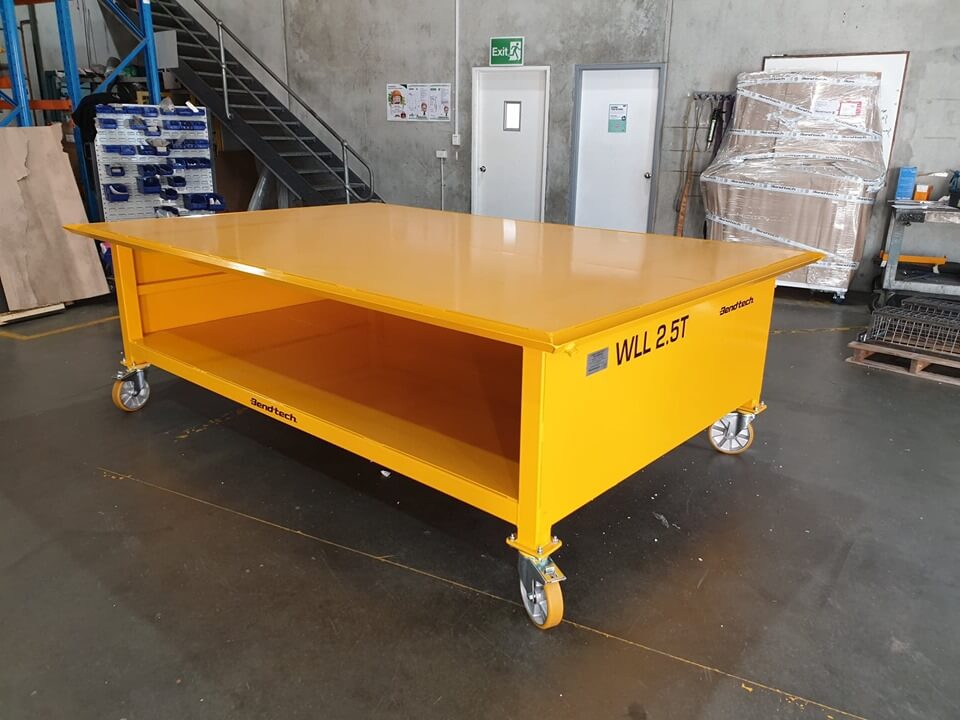
Keeping equipment and skills current is absolutely vital if you want to stay ahead in construction. With technology moving forward so quickly, upgraded equipment is often more efficient, safer, and helps cut running costs. For instance, investing in quality solutions like certified workshop benches and tables can enhance both safety and productivity in the workshop environment.
Bringing in new machinery packed with the latest features means teams can get more done in less time, and you won’t face as much hassle from breakdowns or repairs. But a machine is only as good as the person operating it. Regular training makes sure staff can handle advanced controls and stay confident, no matter how tech-heavy the gear gets.
It works best when you focus on both – investing in better machines and giving your team steady updates on skills. That’s how you keep your edge and protect your reputation for delivering big projects smoothly.
Picking the right machine for each job is non-negotiable for both output and safety. For example, using a crane made for heavy lifting keeps loads steady and avoids overloading, so you don’t court disaster. Different forklifts, each with their own lifting capacity, mean the team can match the tool with the job without risking the equipment or the people behind the wheel.
Telehandlers, with their long-reaching arms, cover tricky spots a normal forklift can’t reach, so you don’t need makeshift solutions just to get materials to high or awkward places. Choosing the best-suited equipment for the job isn’t just about speed – it keeps accidents to a minimum and everyone safer while they work.
