

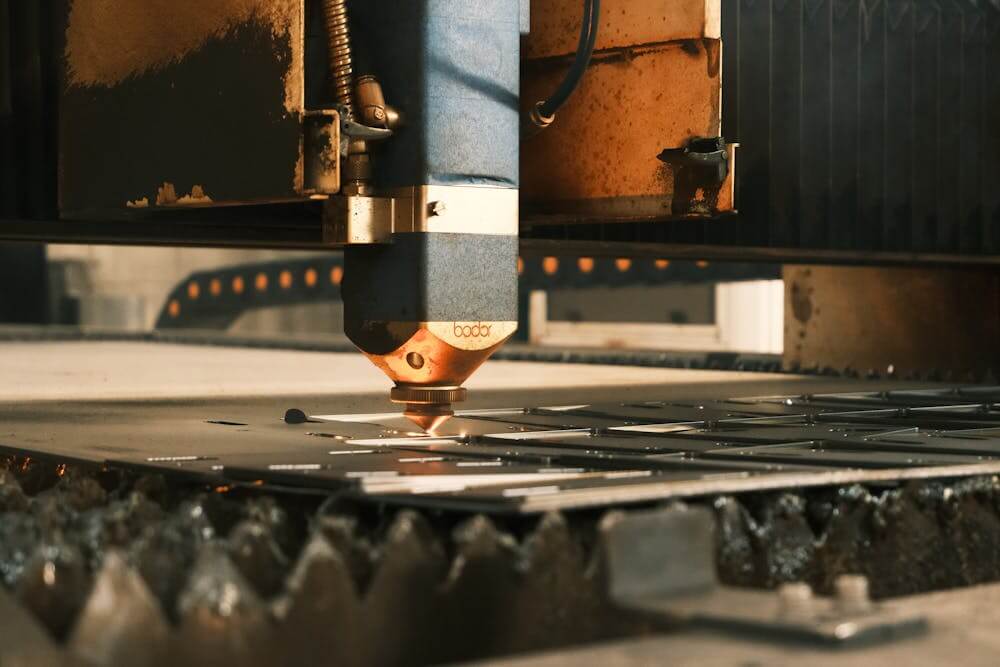
Sheet metal prototyping is a critical process in many industries, from automotive to aerospace, electronics, and industrial manufacturing. It allows designers and engineers to bring their ideas to life before moving on to full-scale production.
While prototyping is a necessary step in the product development process, it can also be expensive and time-consuming. In this article, we will explore several cost optimization strategies in sheet metal prototyping services that can help businesses reduce costs while maintaining high-quality results.
The Importance of Cost Optimization in Sheet Metal Prototyping
The primary goal of any sheet metal prototyping process is to create a functional, accurate prototype that closely resembles the final product. However, prototyping often involves multiple iterations and refinements to perfect the design. This can quickly become costly if not carefully managed.
Sheet metal prototyping services typically require specialized equipment, such as laser cutters, press brakes, and welding machines, which can be expensive to operate. Additionally, materials used in sheet metal prototypes, such as stainless steel or aluminum, can also add to the costs. By adopting cost optimization strategies, businesses can reduce waste, minimize material costs, and streamline the prototyping process without sacrificing quality.
Incorporating efficient and effective cost-saving methods during prototyping allows companies to allocate resources more efficiently, ultimately leading to improved profitability. It also ensures that businesses can meet the tight deadlines and fast-paced demands typical of industries that rely heavily on sheet metal components.
Designing for Manufacturability
One of the most effective ways to reduce costs in sheet metal prototyping services is to design for manufacturability. This involves designing parts in a way that minimizes complexity, reduces the number of operations required, and ensures the prototype can be produced efficiently using standard processes.
When designing for manufacturability, engineers can use several guidelines:
- Simplicity in Design: Complex shapes may require more advanced techniques or extra processing time, which can increase costs. By simplifying the design, engineers can often use more common manufacturing techniques, reducing both time and material costs.
- Standard Materials and Components: Using standard materials that are widely available and easy to process can help reduce costs. Custom materials or parts may be more expensive and harder to source, leading to delays and higher costs.
- Tolerances and Fits: Tight tolerances and complex fits can drive up prototyping costs. While tight tolerances are sometimes necessary, engineers should be mindful of balancing precision with cost. Often, it’s possible to reduce tolerance requirements without compromising the performance of the final product.
- Minimizing Tooling Changes: Frequent tooling changes can increase both the time and costs associated with prototyping. Designing parts that require minimal tooling adjustments can lead to faster production times and lower costs.
By working closely with experienced sheet metal prototyping services, businesses can optimize the design and ensure that it is both cost-effective and manufacturable. This collaborative approach helps streamline the development process and leads to significant cost savings.
Material Selection and Waste Minimization
Material costs can constitute a significant portion of the overall expenses associated with sheet metal prototyping. Therefore, selecting the right material and managing waste effectively are key strategies for optimizing costs.
Material Selection
Choosing the right material for the prototype is crucial to ensuring both cost-effectiveness and performance. The most common materials used in sheet metal prototyping include steel, aluminum, brass, and copper. While steel is often the least expensive, it may not always be the best choice depending on the application. Aluminum, for example, is lightweight and corrosion-resistant, but it tends to be more expensive.
Using material thickness that is appropriate for the part’s intended use can also help control costs. In many cases, parts can be made from thinner materials without compromising their integrity or function. Additionally, choosing materials that are easy to work with or readily available can reduce production costs, especially if they are commonly used in sheet metal prototyping services.
Waste Minimization
Waste is another factor that can drive up costs in sheet metal prototyping. To minimize waste, manufacturers can adopt several strategies:
- Optimized Nesting: Optimized nesting involves arranging parts on the raw material in a way that minimizes scrap. Advanced software tools can be used to determine the most efficient layout for cutting parts from sheet metal, reducing material waste.
- Recycling: Scrap material generated during the prototyping process can often be recycled and reused. Many sheet metal prototyping services have systems in place to recycle leftover material, helping to reduce costs while being environmentally responsible.
- Cutting Efficiency: The cutting method used in sheet metal prototyping can also impact material waste. Laser cutting and water jet cutting, for example, are precise methods that minimize the amount of scrap produced, reducing material costs.
By focusing on material selection and waste reduction techniques, companies can significantly lower the overall cost of the prototyping process without compromising quality or functionality.
Leveraging Automation and Technology
Incorporating automation and advanced technologies into the sheet metal prototyping process can provide significant cost savings. Automation, in particular, helps reduce labor costs, minimize human error, and speed up production. Here are a few ways automation can help optimize prototyping costs:
1. CNC Machining and Laser Cutting
Computer Numerical Control (CNC) machining and laser cutting are two technologies that have revolutionized sheet metal prototyping services. These technologies allow for high precision and repeatability while reducing the need for manual labor. They can also be programmed to optimize cutting paths, further reducing material waste and production time.
Laser cutting, for example, is often preferred because it allows for intricate designs with minimal thermal distortion. As a result, prototypes can be produced faster and with less material waste, leading to lower overall costs.
2. 3D Printing for Prototyping
3D printing is increasingly being used in conjunction with traditional sheet metal prototyping methods. While 3D printing is not suitable for final production of sheet metal parts, it is a valuable tool for rapid prototyping. 3D printing allows engineers to quickly create and test prototypes without the need for expensive tooling or material costs. The ability to rapidly iterate on designs can save both time and money during the prototyping phase.
3D printing can also be used to create complex geometries that might be difficult or expensive to produce using traditional sheet metal fabrication techniques. This helps reduce design constraints and opens up new possibilities for innovation without incurring excessive costs.
3. Simulation Software
The use of advanced simulation software is another way to reduce costs in sheet metal prototyping. These tools allow engineers to model the behavior of materials, stress points, and assembly processes before physical production begins. By identifying potential issues early in the design phase, manufacturers can make changes that reduce the need for costly reworks or iterations during physical prototyping.
Simulations can also help optimize designs for manufacturability, ensuring that the final prototype can be produced using standard processes. This leads to both cost and time savings.
Collaboration and Communication with Prototyping Services
One of the most important cost-saving strategies in sheet metal prototyping is effective collaboration with the prototyping service provider. A well-established prototyping service provider has the expertise and experience necessary to advise on the most cost-effective approaches for your specific project.
Clear communication between the design team and the prototyping service can help prevent costly mistakes and ensure that the project remains on schedule and within budget. By working together from the outset, both parties can align on expectations, requirements, and potential challenges, which will ultimately lead to smoother project execution and reduced costs.
Conclusion
Cost optimization in sheet metal prototyping services is an essential aspect of the product development process. By focusing on design for manufacturability, material selection, waste minimization, automation, and technology, businesses can reduce expenses while maintaining high-quality standards. Moreover, working closely with a trusted prototyping partner and leveraging advanced tools and techniques can lead to significant cost savings over the course of the project.
Ultimately, the key to successful cost optimization lies in a balanced approach—one that focuses on streamlining processes, utilizing the right materials, and embracing innovative technologies. When executed correctly, these strategies can help businesses create efficient, high-performing prototypes without sacrificing quality or increasing costs.
