

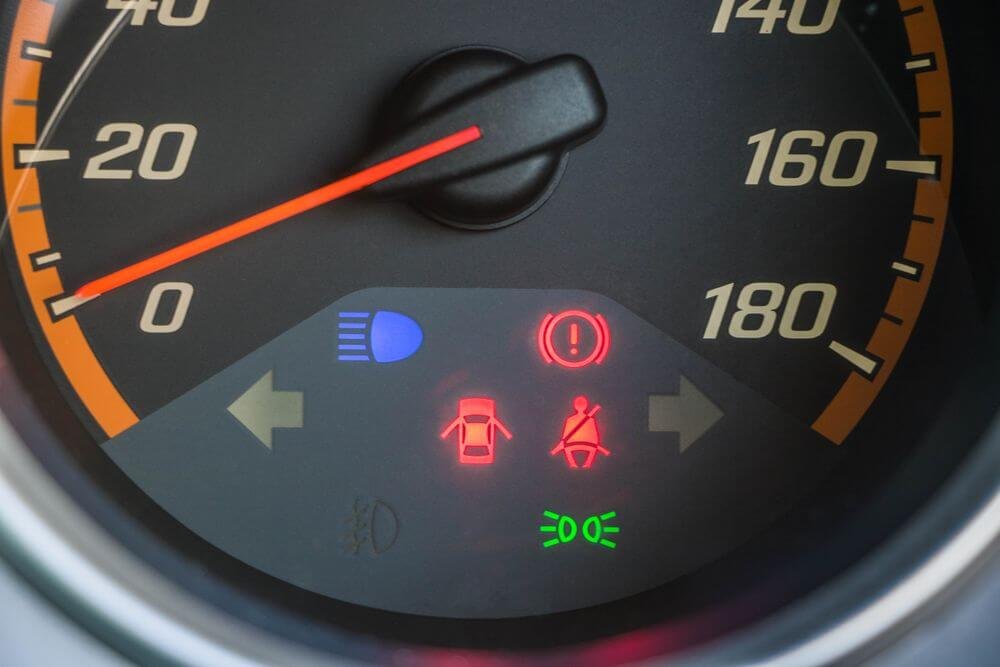
Most drivers expect a dashboard warning light to disappear after a repair. When the same light keeps returning, however, it may point to a problem that has not been fully fixed. Ignoring repeated warnings can lead to more expensive repairs, reduced vehicle safety, and unnecessary frustration.
If the same warning light returns after multiple repair attempts, understanding your warranty rights may become just as important as identifying the mechanical problem. Keeping thorough service records and documenting recurring symptoms can help you make informed decisions moving forward.
Modern vehicles depend on dozens of sensors and electronic control systems that constantly monitor how different parts of the vehicle are working. These systems are designed to detect problems before they become more serious. While some warnings simply remind drivers about routine maintenance, others can signal issues that deserve immediate attention.
Why Recurring Warning Lights Should Never Be Ignored
When a dashboard warning light appears more than once, drivers should take a careful approach by:
- Recording the date and mileage each time the warning appears.
- Taking a photo of the dashboard before restarting the vehicle.
- Paying attention to changes in performance, sounds, or handling.
- Keeping every repair invoice and service report.
- Returning to the dealership if the same warning comes back after repairs.
- Asking whether the technician confirmed the root cause instead of only clearing diagnostic codes.
These simple steps can make it easier to identify patterns and help repair technicians understand what is happening.
A warning light that returns after service is different from one that appears only once. Sometimes a technician replaces a part that seems faulty, but another hidden problem continues triggering the same warning. Electrical wiring, software problems, damaged connectors, or another failed component may still be causing the issue.
Understanding the Check Engine Light
The check engine light is one of the most common warnings drivers see. Although it often creates anxiety, it does not always mean the engine is about to fail.
The vehicle’s computer stores diagnostic trouble codes whenever it detects an abnormal condition. These codes help technicians narrow down the problem, but they rarely identify the exact part that needs replacement. Proper testing is still necessary before repairs begin.
For example, a faulty oxygen sensor, loose fuel cap, ignition problem, emissions issue, or engine misfire can all activate the same warning light. Simply replacing parts without confirming the actual cause may result in repeated visits for the same problem.
If the check engine light comes back shortly after repairs, owners should tell the repair facility exactly when it returned and whether the vehicle is showing any new symptoms.
Brake System Warnings Require Immediate Attention
Brake warning lights deserve prompt attention because they involve one of the vehicle’s most important safety systems. A brake warning could indicate low brake fluid, worn brake components, hydraulic problems, electronic brake system faults, or issues with the parking brake. Drivers may also notice that the brake pedal feels softer than usual or that stopping distances have increased.
Even if the warning disappears temporarily, it should not be ignored. A recurring brake warning deserves another inspection before the vehicle continues regular use.
Airbag Warnings Should Not Be Overlooked
Airbags are designed to protect occupants during a collision, but they rely on sensors, wiring, and electronic modules working together properly.
If the airbag warning light remains on, flashes repeatedly, or returns after repairs, it could indicate that part of the supplemental restraint system is not operating correctly. Since these systems only activate during an accident, problems are often impossible to notice without proper diagnostic testing. Keeping records of every repair attempt can help establish whether the issue has been ongoing.
Transmission Problems Often Develop Gradually
Transmission failures rarely happen without warning. Many drivers first notice delayed shifting, rough gear changes, hesitation during acceleration, or unusual noises before a warning light appears. These symptoms may come and go at first, making them difficult to reproduce during a service appointment.
When a transmission warning returns after repairs, owners should explain every symptom they experienced, even if the vehicle seems to drive normally during the inspection.
Small details often help technicians identify problems that standard computer scans cannot immediately confirm.
Electrical Problems Can Affect Multiple Systems
Today’s vehicles contain miles of wiring and dozens of electronic control modules. Because so many systems communicate with one another, one electrical fault can sometimes trigger several dashboard warnings at once. Loose connections, damaged wiring, failing batteries, charging system issues, or software faults can all create confusing symptoms.
Some electrical problems disappear for days or weeks before returning again. This can make diagnosis challenging, which is why documenting every occurrence becomes especially valuable.
Recalls Are Worth Checking
Sometimes recurring warning lights are linked to known defects affecting multiple vehicles. Manufacturers occasionally issue recalls after discovering problems that could affect safety. Owners can search their vehicle identification number to determine whether an open recall applies to their vehicle.
The National Highway Traffic Safety Administration (NHTSA) maintains an official recall database that allows drivers to search for active recalls and safety investigations involving their vehicle.
Repair Records Tell the Story
Many people treat repair invoices like receipts and throw them away after the work is completed. That can be a mistake. Every repair order creates a timeline showing when the problem was reported, the vehicle mileage, what technicians inspected, and what repairs were completed.
Drivers should review service paperwork before leaving the dealership to confirm that the reported concern is accurately described. If the paperwork only mentions a general inspection instead of documenting the recurring warning light, important details may be missing from the repair history. A complete service record can become valuable if the same defect continues over multiple visits.
When Repeated Repairs Raise Consumer Protection Questions
A recurring dashboard warning light does not automatically mean a vehicle qualifies for consumer protection under state law. Several factors may be considered, including the seriousness of the defect, warranty coverage, the number of repair attempts, and how long the vehicle has been unavailable for use.
Every state has different requirements, which is why documentation matters. Owners who keep detailed records are generally in a stronger position to understand what rights may be available if repairs continue without solving the problem.
What Drivers Should Do Next
When the same warning light keeps returning, each visit to the dealership should build on the previous one instead of starting from the beginning.
Share the complete repair history with the technician. Explain when the warning first appeared, what repairs were performed, how long the repair lasted, and whether new symptoms have developed.
Photos of dashboard warnings, written notes, warranty paperwork, text messages from the dealership, and repair invoices all help create a complete history of the issue.
Final Thoughts
Dashboard warning lights exist to alert drivers that something requires attention. While not every warning signals a major failure, recurring lights should never be dismissed as normal.
Taking action early can reduce repair costs, improve vehicle safety, and help technicians identify problems before they become more serious. Careful documentation, accurate repair records, and prompt follow-up after unsuccessful repairs give owners the best chance of resolving ongoing vehicle issues while also protecting their interests if the problem continues.
