

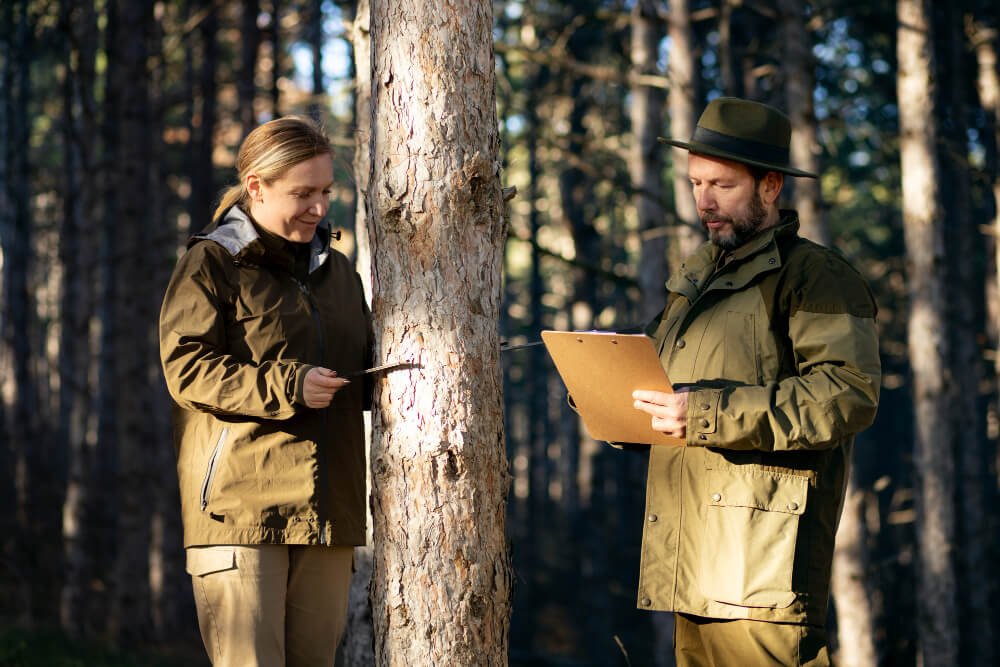
Hunting is a long-standing tradition in many parts of the United States. Families and friends often spend months preparing for the season, while many landowners open their property to hunters through private lease agreements. These arrangements can benefit everyone involved, but they work best when expectations are clear from the beginning. Seeking experienced legal support for landowners can help create a hunting lease that protects both the property owner and the people using the land.
A hunting lease is much more than permission to access private land. It is a legal contract that outlines how the property may be used, who may enter, when hunting is allowed, how payments will be handled, and what happens if someone fails to follow the agreement. Taking the time to create a detailed lease can prevent costly misunderstandings and help maintain positive relationships for years to come.
Why Hunting Leases Matter
Most hunting opportunities across the United States take place on privately owned land. Ranches, farms, timberland, and other rural properties give hunters access to deer, turkey, waterfowl, wild hogs, upland birds, and other game. Since private property owners control who enters their land, a written lease creates a clear understanding between both parties.
Without a written agreement, each side may have different expectations. A hunter might assume overnight camping is allowed, while the owner may not. One group may believe guests are welcome, while the landowner expects only the people listed on the lease to enter the property. Small misunderstandings like these can quickly become larger disputes.
A carefully prepared hunting lease helps reduce confusion by putting important terms in writing before the hunting season begins.
A Hunting Lease Protects Both Sides
Many people think hunting leases exist mainly to protect landowners. In reality, they also benefit hunters. Property owners gain a way to establish rules for the use of their land. Hunters receive written confirmation of the access they have purchased, the dates their lease is valid, and any restrictions that apply during their stay.
A good hunting lease often includes details such as:
- Property boundaries
- Hunting dates
- Allowed game species
- Payment terms
- Vehicle access
- Guest policies
- Camping rules
- Firearm safety expectations
- Tree stand and blind placement
- Gate and fence requirements
- Trash removal responsibilities
When both parties understand these expectations before the season begins, there is far less room for disagreements later.
Private Property Requires Clear Rules
Every property is different. One landowner may allow hunters to drive trucks throughout the property, while another may require vehicles to stay on designated roads. Some owners welcome temporary campsites, while others prohibit overnight stays altogether. Even neighboring properties can have completely different rules.
A customized hunting lease allows property owners to create expectations that fit the specific land instead of relying on assumptions or verbal conversations.
This also helps hunters understand how to respect the property. Following established rules protects crops, livestock, roads, fences, water sources, and wildlife habitat while helping maintain a positive relationship with the landowner.
Liability Should Never Be Overlooked
Hunting involves outdoor activities that naturally carry some risk. Hunters often travel through rough terrain, cross streams, climb into elevated stands, operate all-terrain vehicles, and handle firearms. Weather conditions can also create unexpected hazards. Because accidents can happen, liability deserves careful attention when preparing any hunting lease.
A well-written agreement may address topics such as:
- Insurance requirements
- Assumption of risk
- Property damage
- Guest responsibility
- Emergency procedures
- Reporting accidents
- Equipment use
Each situation is different, so property owners should avoid assuming that a simple waiver automatically protects them from every legal claim.
The Recreational Use Statutes adopted in many states may provide certain legal protections for landowners who allow recreational access under specific conditions, although the rules vary depending on state law. The American Land Title Association’s overview of recreational use statutes and landowner liability offers helpful information for property owners who want to better understand these legal protections and their potential limitations.
Generic Templates Often Miss Important Details
Online lease templates are easy to find, but they rarely address the unique needs of a particular property. Every hunting operation has different concerns. Some landowners manage livestock throughout the year. Others lease land for farming, timber production, or conservation projects. Some properties include cabins, barns, ponds, equipment sheds, or valuable improvements that require additional protection. A generic document cannot account for every situation.
Instead, a customized lease allows both parties to discuss important questions such as:
- Can family members hunt under the lease?
- Are guests allowed?
- Is fishing included?
- Can hunters install feeders?
- Who maintains roads?
- Are food plots permitted?
- What happens if someone damages fences?
- Can the lease be renewed automatically?
Addressing these issues before hunting begins can save everyone time, money, and frustration later.
Wildlife Conservation Benefits From Good Agreements
Responsible hunting goes hand in hand with responsible land management. Many private landowners spend years improving wildlife habitat by maintaining food sources, protecting water access, controlling invasive species, and preserving healthy ecosystems. Those efforts benefit both wildlife and future generations of hunters.
A hunting lease can support conservation by establishing rules that encourage responsible harvest practices and protect natural resources.
For example, agreements may limit harvest numbers, restrict hunting methods, designate protected areas, or prohibit activities that could damage sensitive habitats.
When hunters understand the owner’s long-term management goals, they are more likely to become partners in protecting the land rather than simply visitors using it during hunting season.
Long-Term Relationships Begin With Trust
Many successful hunting leases continue for years because both sides develop confidence in one another. Landowners appreciate hunters who respect the property, follow the rules, and communicate openly. Hunters value dependable access to quality hunting land where expectations remain consistent from season to season.
Written agreements help build that trust. Instead of relying on memory or informal conversations, both parties have a document they can review whenever questions arise. This reduces uncertainty and makes future lease renewals much easier. Strong communication supported by a clear contract often leads to lasting relationships that benefit everyone involved.
Experienced Legal Guidance Can Make a Difference
Hunting leases often involve much more than simple permission to enter private property. They may include contract law, business considerations, liability concerns, insurance issues, access rights, payment schedules, and property management responsibilities.
An attorney with experience preparing land use agreements can identify potential issues before they become expensive disputes.
Rather than relying on a one-size-fits-all form, experienced legal counsel can draft terms that reflect how the property will actually be used while addressing the goals of both the landowner and the hunters.
This personalized approach often produces stronger agreements that are easier to understand and enforce.
Planning Today Can Prevent Problems Tomorrow
The best hunting leases do more than outline the upcoming season. They also prepare for situations that could arise in the future.
A strong agreement may explain:
- Renewal procedures
- Late payment policies
- Cancellation rights
- Property inspections
- Rule violations
- Damage claims
- Dispute resolution
- End-of-season responsibilities
Planning for these possibilities before they occur can help avoid unnecessary conflict if circumstances change.
Final Thoughts
Hunting leases help create successful partnerships between private landowners and responsible hunters. They establish clear expectations, reduce misunderstandings, address liability concerns, and encourage responsible use of valuable land.
Whether the property is a small family farm or a large hunting operation, investing time in a carefully prepared lease benefits everyone involved. Clear agreements support positive relationships, protect private property, and help preserve hunting opportunities for future generations.
When both sides understand their responsibilities from the beginning, they can focus less on potential disputes and more on enjoying a safe, successful hunting season.
