

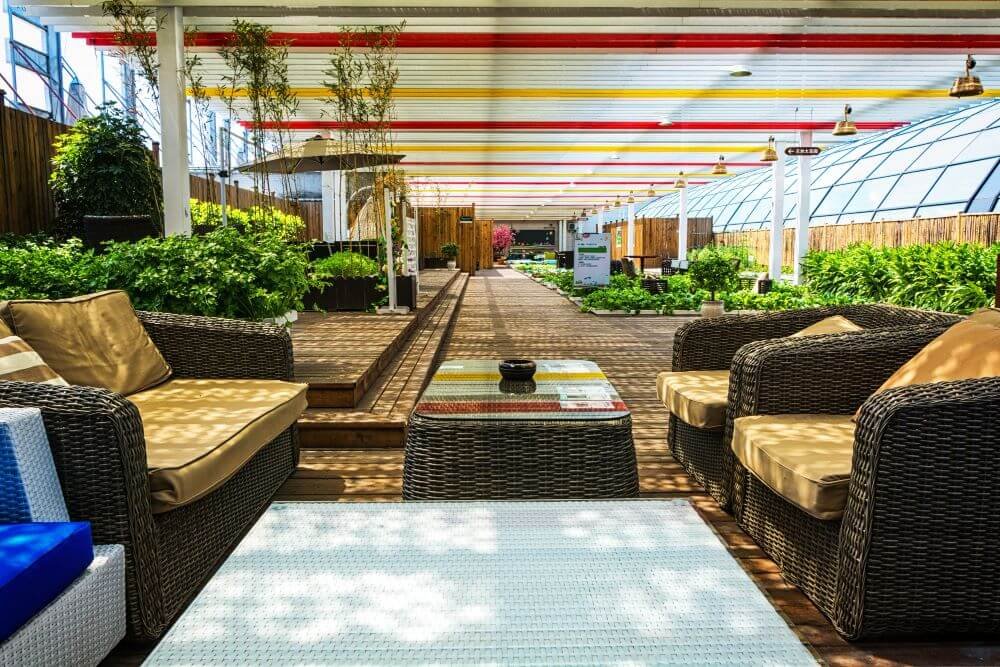
Commercial outdoor seating has become a defining feature of modern business environments, influencing how customers experience restaurants, retail centers, hotels, and other commercial properties. Rather than serving as an optional amenity, thoughtfully designed outdoor seating now supports customer engagement, strengthens brand image, and encourages visitors to spend more time on-site. As businesses continue to focus on creating memorable experiences, outdoor spaces have become an important extension of the overall environment.
Expanding Customer Experiences Beyond the Interior
Today’s commercial properties are designed to provide more than functional indoor spaces. Outdoor environments allow businesses to extend the customer experience while making better use of patios, courtyards, rooftops, sidewalks, and other exterior areas. Comfortable seating helps transform these locations into welcoming destinations instead of unused transitional spaces.
When outdoor seating is incorporated with intention, customers often feel more relaxed and encouraged to linger. These inviting spaces can inspire repeat visits while helping businesses build stronger relationships with guests who begin to associate the property with comfort and enjoyment instead of simply completing a purchase.
Combining Long-Term Durability With Everyday Comfort
Selecting the right commercial outdoor seating requires balancing visual appeal, user comfort, and lasting performance. Unlike furniture used indoors, exterior seating must withstand constant exposure to sunlight, rain, changing temperatures, and frequent use without sacrificing appearance or structural integrity.
To support long-term reliability, many commercial projects utilize durable materials such as powder-coated steel, treated hardwoods, and high-performance composite products. These materials help outdoor furniture maintain its quality while reducing maintenance needs, making them well-suited for busy commercial settings.
Using Seating Layouts to Support Traffic Flow
Outdoor seating serves a practical purpose beyond providing places to sit. The arrangement of furniture can influence how visitors move throughout a property, helping businesses improve circulation, accessibility, and organization.
Restaurants may position seating to separate dining areas from pedestrian walkways, while retail centers can create smaller seating areas that encourage shoppers to pause and spend additional time browsing nearby stores. Hotels and hospitality venues often use outdoor furniture to define gathering spaces, relaxation areas, and natural transitions between indoor and outdoor amenities.
Reinforcing Brand Identity Through Outdoor Design
Every design choice contributes to how customers perceive a business, including its outdoor seating. Furniture style, materials, colors, and layout all communicate something about a company’s personality and values, whether the goal is to present a sleek contemporary image, a welcoming atmosphere, or a timeless aesthetic.
When seating complements the surrounding architecture and landscape, the outdoor environment becomes a natural extension of the brand. This consistency creates a cohesive experience that reinforces qualities such as professionalism, hospitality, and attention to detail without relying on promotional messaging.
Creating Spaces That Encourage Social Interaction
Well-designed outdoor seating naturally supports conversation and community engagement. In many commercial districts, these areas become gathering places where customers, employees, and visitors can meet, relax, or simply enjoy the surroundings.
A welcoming outdoor environment often contributes to a more positive public impression while encouraging additional foot traffic. Businesses that invest in attractive exterior spaces may create stronger emotional connections with visitors by offering places that feel open, comfortable, and accessible.
Adapting Outdoor Spaces Throughout the Year
One of the advantages of commercial outdoor seating is its flexibility. Modular and movable furniture allows businesses to reconfigure layouts as customer demand, weather conditions, or seasonal activities change throughout the year.
During warmer seasons, additional seating can increase capacity for outdoor dining or events. As temperatures cool, layouts may be adjusted to create more sheltered and intimate gathering spaces. This adaptability helps businesses maximize the usefulness of their exterior areas across changing conditions.
Supporting Modern Landscape Design
As commercial properties continue to emphasize outdoor experiences, seating should be planned alongside landscaping rather than treated as a separate element. Coordinating seating with lighting, walkways, planting areas, and architectural features creates a unified environment that is both functional and visually appealing.
For businesses looking to elevate their exterior spaces, Spruce & Gander designs refined outdoor environments where commercial outdoor seating is thoughtfully incorporated into premium landscape solutions that enhance comfort, usability, and lasting visual appeal.
