

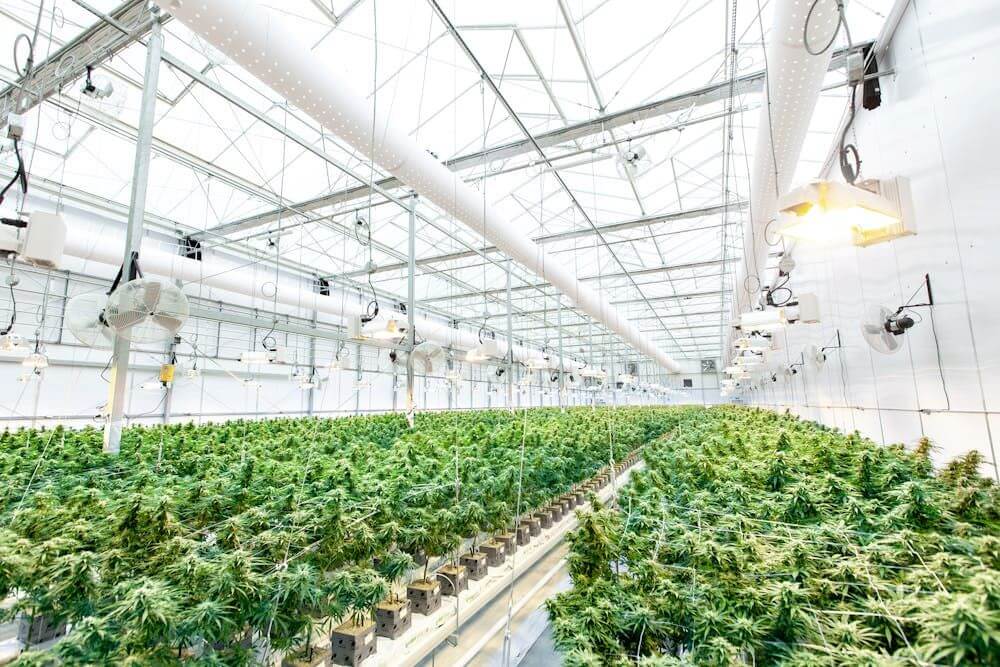
Growing a farm in the modern world requires more than soil and seeds. Farmers often face unpredictable weather and pests that can ruin a whole season of hard work in a few days. Such challenges make it hard to predict income or plan for future expansion.
Greenhouse systems provide a way to protect crops and extend the growing season throughout the year. These structures allow for better control over the environment and help agricultural businesses reach their full potential. Investing in a solid system can change the way a farm operates for the better.
Choosing The Best Infrastructure For Growth
Selecting the right building materials makes a big difference in how well your plants thrive. Many growers prefer American made greenhouse structures when they are looking for high-quality and durable options. The investment helps maintain a steady climate and keeps energy costs down over time.
Planning the layout of your facility is another key step. Proper spacing between rows allows workers to move freely and equipment to reach every plant easily. A good floor plan helps with drainage and prevents water from pooling in the corners.
Ventilation must be a top priority during the design phase. Fans and vents keep air moving to prevent mold growth and keep temperatures stable during the hot summer months. Fresh air is necessary for plant respiration and overall health.
Understanding Market Value And Industry Trends
The agricultural industry is seeing a massive shift toward indoor growing methods. A recent report noted that the global commercial greenhouse market size was valued at $37.78 billion in 2025. Growth at this scale shows that more companies are trusting these systems for their food production needs.
Consumer demand for local produce stays high even when the weather gets cold. Greenhouses help meet this demand by providing fresh vegetables and fruits every month of the year. Consistent production builds trust with local buyers and grocery stores.
New technologies make it easier for small farms to scale up their operations. Automated systems for watering and lighting reduce the amount of manual labor needed to manage large crops. Scaling up becomes a matter of adding more modules rather than hiring more staff.
Maximizing Yields With Controlled Environments
Keeping the temperature just right is one of the biggest benefits of these systems. Sensors can track humidity and heat levels to make sure every plant stays healthy and strong. Automated controls can open windows or turn on heaters without any human help.
Using a controlled space helps you grow more food in a smaller area. You can stack plants or use vertical racks to make the most of every square foot. Vertical farming is the future of sustainable agriculture.
- Water recycling systems save money.
- Heated floors protect roots from frost.
- Shade cloths prevent leaf burn.
Pest control becomes much simpler when your crops are inside a sealed building. You can use fewer chemicals and keep harmful insects away from your valuable harvests. It leads to a cleaner product that many customers prefer.
Implementing Smart Irrigation Solutions
Precision watering makes sure that no drop is wasted and your plants get exactly what they need. Drip systems deliver moisture directly to the roots. The method prevents leaves from getting too wet and keeps the soil moisture levels perfect.
Timing the watering cycles helps plants stay on a regular schedule. Automated timers take the guesswork out of maintenance and keep the soil from drying out too fast. Consistent watering is the secret to getting a uniform harvest.
Nutrient delivery can be combined with your irrigation system for better efficiency. Mixing fertilizers with water helps the plants absorb the food they need to grow bigger and faster. Modern systems can adjust the nutrient mix based on the age of the crop.
Managing Energy Costs Effectively
Heating a large glass structure can get expensive if you are not careful. Insulated panels and thermal curtains help trap heat inside during the night to save on power bills. These tools are worth the cost when the winter temperatures drop.
Solar panels are becoming a popular way to run fans and lights without relying on the local power grid. Many farms find that the initial cost pays for itself within a few years of operation. Renewable energy makes the business more sustainable for the future.
- LED lights use less electricity.
- Double-walled plastic keeps heat in.
- Geothermal systems provide stable air.
Natural light is free and should be used as much as possible to keep costs low. Placing your greenhouse in an open area with no shade will help maximize the sun’s energy. Proper positioning can save thousands of dollars in lighting costs.
Improving Plant Health With Lighting Tech
Plants need specific types of light to photosynthesize and grow at a rapid pace. Modern LED systems can mimic the sun and provide the exact spectrum required for different stages of growth. Using the right light can speed up the harvest by several days.
Supplementing natural sunlight during the winter months keeps production steady. Without extra light, plants might grow slowly or become weak when the days are short. Steady light levels lead to a more reliable supply for your customers.
Adjusting the height of your lights makes sure that every leaf gets the right amount of energy. Moving the fixtures closer or further away helps prevent burning and promotes thick stems. Careful management of light distance is a daily task for serious growers.
Building a successful agricultural business involves balancing technology with traditional farming wisdom. Greenhouse systems offer the stability needed to grow a brand in a competitive food market. Modern tools allow for growth that was impossible just a few decades ago.
Focusing on quality infrastructure and smart management will lead to long-term success. Every farm can benefit from the protection and efficiency that these modern structures provide. Taking the leap into indoor growing is a smart move for any business owner today.
