

Commercial property owners face many risks, and preparing for these events saves time and money. Natural disasters and internal accidents can happen at any time. Safety planning is the best way to protect assets.
Running a business involves constant awareness of safety protocols. Small leaks or stray sparks often lead to massive disruptions. Having a plan in place keeps the team safe and protects investments.
Managing Immediate Risks To Buildings
Water damage often starts with a small drip behind a wall. Swift action, like emergency document drying, keeps paper records from being lost forever. Expert help is needed to stop mold from growing.
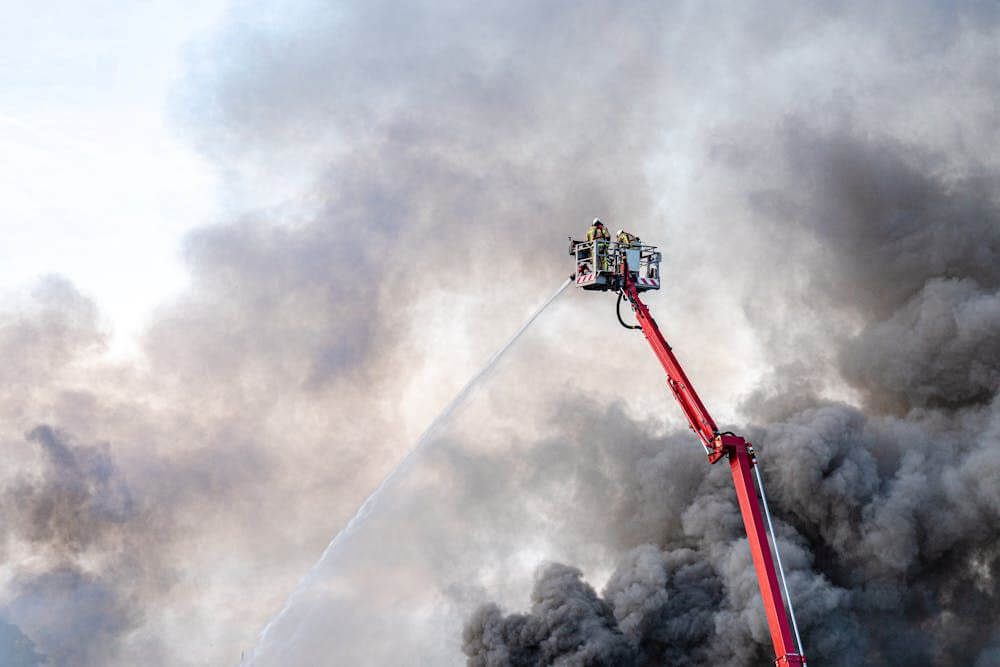
Fire risks are just as dangerous for any office or warehouse. Electrical shorts or kitchen equipment can trigger a blaze quickly. Regular inspections help identify hazards before they turn into a crisis.
Smoke and heat damage structural components when the fire is small. Professionals can assess the stability of the building after an incident. It keeps employees safe when they return to the office. Quick cleaning prevents permanent soot stains on walls.
Rising Financial Impact Of Property Damage
Financial losses from property damage are reaching new heights every year. A report stated that insured losses for businesses hit over $1.7 billion in 2024. Numbers show how vulnerable many industries have become to local disasters.
Insurance companies are seeing more claims related to fire and water events. The trend forces many companies to rethink their coverage options. Larger deductibles might help lower monthly costs for some owners.
Budgeting for repairs is part of responsible business management. Unexpected events can drain cash flow if the building is not ready. Proper maintenance reduces the chance of a total loss.
Weather Patterns And Commercial Vulnerability
Global weather patterns are shifting and causing more frequent damage to offices. Industry data shows that weather disasters made up 92% of all losses in 2025. The massive percentage highlights the power of storms and floods.
High winds and heavy rain put stress on roofs and foundations. Water seeps into cracks and ruins expensive inventory or equipment. Staying ahead of the storm involves checking the exterior regularly.
Climate change means that traditional safe zones might be at risk now. Mapping out local flood plains is a smart move for new developers. Awareness of the environment helps prevent long-term structural issues.
Insurance Costs And Market Volatility
The cost of protecting a business is changing as risks go up. One news outlet shared that property insurance premiums are climbing as climate issues grow. Insurers saw over $8 billion in losses during a single five-week window.
Business owners must be proactive to keep their rates manageable. High-risk areas might see fewer choices for standard coverage. Improving safety features can sometimes lead to better policy terms.
Maintenance tasks help lower the risk profile of a commercial building. Regular updates to the structure prevent small issues from becoming expensive. Following a checklist keeps things organized:
- Install fire sprinklers.
- Upgrade old wiring.
- Seal windows tightly.
- Monitor plumbing lines.
Restoring Operations After A Disaster
Getting back to work is the top priority for most managers. Delays in reopening lead to lost customers and less revenue. Professional restoration crews work around the clock to dry out spaces.
Cleanup involves removing debris and checking for toxic residues. Smoke smell lingers in carpets and curtains for a long time. High-grade cleaners are used to scrub the air and surfaces.
Communication with staff helps manage expectations during the fix. Daily updates keep everyone informed about the timeline for returning. Clear roles help the recovery move faster without confusion. Team members feel more secure when they know the plan.
Long-Term Protection For Paper Records
Digital files are common, but many companies still use paper documents. Storing items in fireproof cabinets adds a layer of safety. Elevation is another way to keep files safe from rising flood waters.
Humidity control is necessary for archives stored in basements. Damp air causes paper to warp and ink to bleed. Keeping the air dry preserves the integrity of old files. Dehumidifiers work well to maintain a steady environment.
Legal and medical offices have strict rules for document safety. Losing records creates a compliance nightmare for the owners. Investing in off-site storage is a popular choice for high-volume firms.
Protecting a commercial building requires a focus on fire and water hazards. Simple checks can catch problems before they grow into disasters. Every step taken today makes the business stronger for the future.
Resilience is about planning and reacting quickly when things go wrong. Trusting experts for cleanup makes sure the job is done right. A safe work environment is the foundation for any successful company.
