

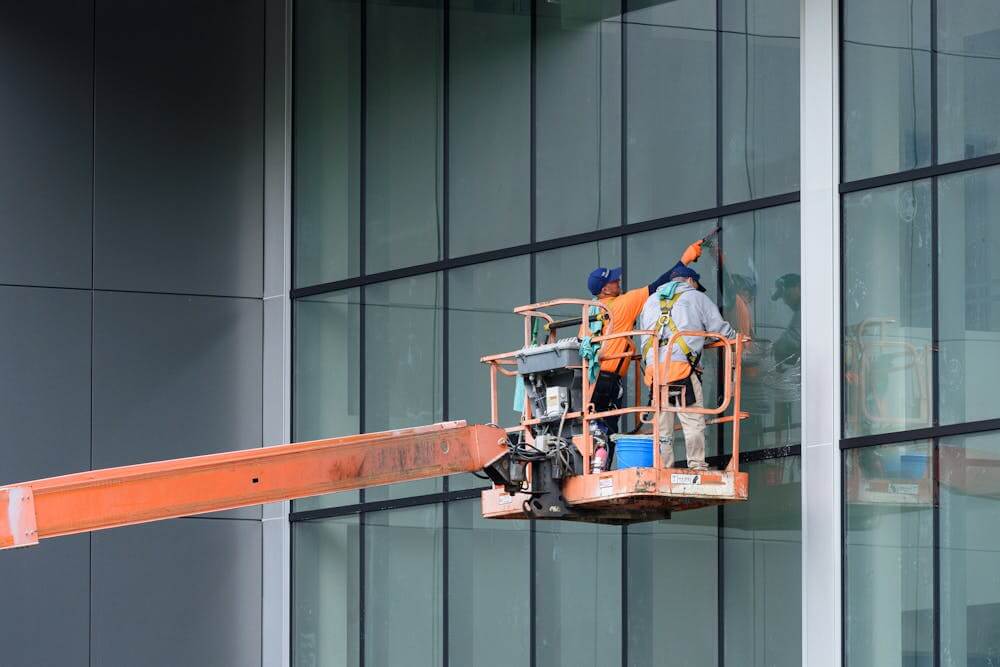
Managing a facility is more than fixing leaks. Owners watch every corner to stop tiny issues, preventing disasters. This keeps work moving.
Proper care protects the budget. It makes a great impression on every guest. High standards show a company is ready for 1 goal, and that is growth.
Shifting To Proactive Care
Waiting for something to break before fixing it is a recipe for high costs. Modern facilities are moving away from reactive habits to stay ahead of structural wear and tear.
A professional report found that every $1 spent on early care can save between $4 and $7 in future repairs. Keeping up with small tasks keeps the budget predictable and prevents massive emergency bills. Planning is the best way to handle a maintenance budget over many years.
Putting off basic work might seem like a way to save money right now. In the long run, it leads to failing systems that cost far more to replace than they do to maintain. Regular checks keep the building value high and prevent structural decay from setting in early.
Protecting The Building Envelope
The exterior of a property acts as the first line of defense against the elements. Keeping the walls and roof sealed is the best way to keep the interior dry and safe. Small cracks in the facade can lead to big problems if they are ignored for too long.
The roof is often the most neglected part of a facility until a leak starts. Finding reliable business roofing solutions is a smart way to protect your physical assets for years. Specialized teams can spot tiny cracks or soft spots before they turn into major interior water damage.
Windows and doors need regular checks to keep the weather out. Small gaps in seals can let in moisture that leads to mold or rot inside the walls. Keeping these areas tight saves money on cooling and prevents structural rot from taking hold.
Energy Efficiency And Smart Systems
Utility bills are one of the biggest ongoing expenses for any modern company. Keeping systems running at peak performance is the easiest way to cut those monthly costs down. Newer systems often pay for themselves through the savings found on power bills.
New rules from the government are set to push for much higher efficiency in heating and cooling systems starting in 2025. Updating older units now can help avoid legal headaches and lower energy use immediately. Modern HVAC units are designed to use less power while providing better air quality.
Smart technology is changing how managers look at their power consumption. An industry trend report mentioned that IoT sensors are providing real-time data on exactly where energy is being used.
Implementing Advanced Technology
Digital tools are no longer optional for businesses that want to stay competitive. Integrating software into daily routines helps track every repair and inspection with total accuracy. Using tools removes the risk of human error when scheduling important safety checks.
Using AI and digital twins can help a company cut its energy spending by 25%. These systems predict when a machine might fail so it can be fixed before it stops working.
Technology allows teams to communicate faster and share photos of issues instantly. It removes the guesswork and makes sure the right tools are always on hand for the job. Faster fixes mean less stress for everyone in the office and a more reliable building environment.
Maximizing Operational Uptime
Every minute a machine is down, or a building is closed, represents lost profit. Keeping the workspace functional is a top priority for any growing organization. A breakdown in the facility can ripple through the entire production line in minutes.
Large companies lose about 11% of their revenue, or nearly $2.8 billion, every single year, resulting from unplanned downtime. That is a massive amount of money that could be saved with better scheduling. Losses impact everything from payroll to future expansion plans.
Organizations that put money into regular repair programs see their downtime drop by an average of 44%. It proves that spending a little time on checks pays off in consistent productivity. Staying ahead of repairs keeps the team focused on their work instead of building problems.
Sustainable Material Selections
Going green is about more than just a good reputation. It involves choosing materials that last longer and handle extreme weather with less maintenance. Sustainable choices reduce the footprint of the company and save money on replacements.
Choosing the right materials involves several factors:
- Resistance to high heat.
- Recyclability after use.
- Ability to reflect sunlight.
- Ease of patching small holes.
Data from a national association shows that 64% of new commercial projects in 2024 chose sustainable options like TPO. Materials help manage building temperatures and reduce the strain on cooling systems. Market analysis shows that over 79% of commercial spaces have low-sloped roofs.
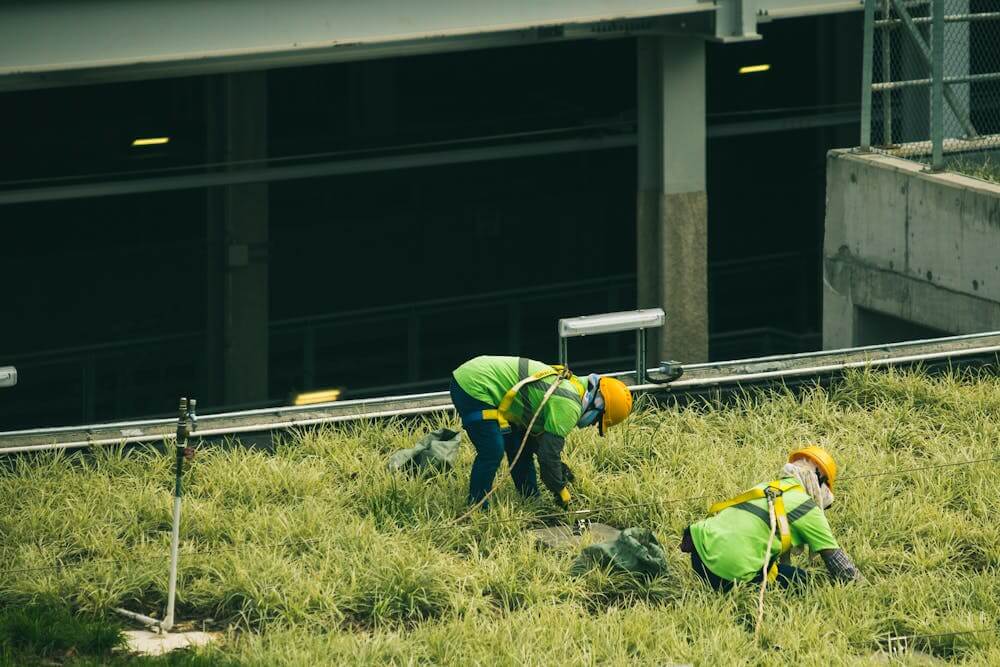
Focusing on these areas keeps operations smooth. Taking care of the building now means fewer surprises later. A proactive habit builds a solid foundation for the whole team.
Great facilities show a professional company. Keeping up with repairs makes the workplace safe and profitable for everyone. Investing in the property supports success for years to come.
