

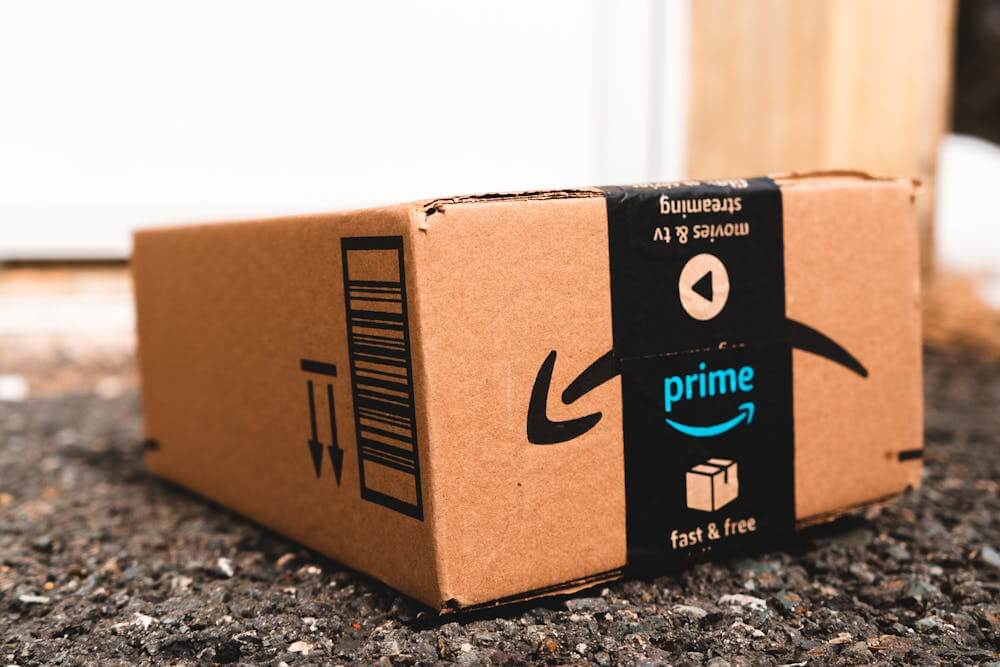
Returns have become a constant part of online retail rather than just a seasonal problem. E-commerce return rates typically range from 20% to 30%, which means sellers must manage a large volume of products that flow back through their supply chain. This process can drain profits and create operational headaches if not handled properly.
A well-structured reverse logistics system helps sellers reduce losses, maintain customer trust, and turn returns into opportunities for recovery. The key lies in setting up the right systems and processes to handle returned items from the moment a customer requests a return until the product finds its next destination. This includes everything from inspection centers to technology systems and clear policies that guide both customers and staff.
Success in reverse logistics requires attention to several important areas. Sellers need to focus on efficient processing centers, smart use of technology, customer-friendly policies, sustainable disposal methods, and regular analysis of return patterns. Each element plays a role in building a system that protects profit margins while keeping customers satisfied.
Implement a centralized return center to handle inspections and processing efficiently
A centralized return center serves as a single hub where all returned items go for assessment and processing. This approach allows businesses to manage returns more effectively than sending products to multiple locations. Companies can achieve faster turnaround times and reduce costs by consolidating their operations in one place.
The center performs thorough inspections to determine the condition of each returned item. Staff members evaluate whether products can be restocked, need repairs, or should be disposed of. This systematic approach helps maintain inventory accuracy and prevents damaged goods from reaching customers again. Many order fulfillment solutions for Amazon sellers benefit from this streamlined method.
Automated systems and specialized workflows further improve the speed of returns processing. These tools help sort items quickly and reduce the time workers spend on manual tasks. As a result, businesses can issue refunds faster and return sellable inventory to stock sooner. The centralized model also provides better visibility into return patterns and product quality issues.
Use advanced technology for tracking returns and managing inventory in real time
Modern technology transforms how businesses handle returns and track inventory. Real-time systems give companies up-to-the-minute data about returned products as they move through the reverse logistics process.
These tools help businesses know exactly where items are at any moment. For example, barcode scanners and RFID tags can track a returned product from the customer’s doorstep back to the warehouse. This level of visibility prevents lost items and reduces errors.
Inventory management software connects all parts of the returns process. It updates stock levels automatically as returns arrive and get processed. This automation saves time and improves accuracy compared to manual tracking methods.
Real-time data helps businesses make better decisions about restocking and inventory placement. Companies can spot trends in returns faster and address problems before they grow. The result is better cash flow and less money tied up in excess inventory.
AI-powered systems can predict return patterns and optimize warehouse space for returned goods. This technology also speeds up quality checks and helps staff decide which items can be resold quickly.
Develop clear return policies that prioritize customer satisfaction and reduce confusion
A well-written return policy sets the foundation for customer trust. The language should be simple and direct so shoppers can understand their options without confusion. Businesses should state the return window, accepted conditions, and refund methods in plain terms.
Research shows that 67% of customers check return policies before they buy. This means a confusing or hidden policy can cost sales. Sellers need to display their return terms on product pages and at checkout.
The policy should address common questions upfront. Customers want to know if they pay for return shipping, how long refunds take, and what items cannot be returned. Clear answers prevent frustration and support tickets.
Flexibility matters for customer loyalty. A policy that offers reasonable time frames and multiple return options shows the business values buyer satisfaction. However, the rules must also protect the seller from abuse.
Regular updates based on customer feedback help improve the policy over time. Customer feedback does not only help refine return rules internally. It can also shape how a business presents its policies and service experience publicly, which is why a solution for managing business reviews can support stronger trust and clearer communication around returns. When sellers monitor recurring complaints and questions in reviews, they can adjust their messaging before small issues turn into bigger friction points. Sellers can track which questions come up most often and adjust their written guidelines accordingly.
Incorporate sustainability by refurbishing, recycling, or donating returned items
Returned products don’t have to end up in landfills. Sellers can reduce waste by sorting items based on their condition and finding the best path forward for each one.
Products in good condition can be refurbished and resold at a discount. This approach recovers value from returns while keeping materials in use longer. Simple repairs or repackaging often make items ready for a second sale.
Items that can’t be resold should go to recycling programs. Electronics, plastics, and packaging materials often qualify for specialized recycling services. This prevents harmful materials from polluting the environment.
Donation offers another option for products that still have value but can’t be resold through normal channels. Local charities and nonprofits often accept overstock or gently used items. This creates a positive impact in communities while reducing disposal costs.
Sellers should track which sustainability method they use for each return. This data helps improve future decisions and shows customers the company cares about environmental responsibility.
Analyze return data regularly to identify patterns and optimize the reverse logistics process
Return data offers valuable insights that help sellers improve their operations. Sellers should track specific metrics like return reasons, product categories, and customer feedback. This information reveals which items have the highest return rates and why customers send them back.
Regular analysis helps businesses spot trends over time. For example, if multiple customers return the same product due to sizing issues, the seller can update product descriptions or adjust inventory. Historical data also shows seasonal patterns that affect return volumes.
Sellers can use this information to reduce future returns and cut costs. They should review return data at least monthly to catch problems early. The analysis should include fraud detection patterns to protect profit margins. Businesses that review return-related feedback at scale may also benefit from an AI-moderator solution that helps filter suspicious, abusive, or low-quality submissions before they distort reporting. This gives teams cleaner data to work with, makes trend analysis more reliable, and supports faster action when unusual patterns appear.
Data-driven decisions lead to better product quality and accurate listings. Sellers who act on return insights can adjust their strategies quickly. This approach helps maintain healthy profit margins while keeping customers satisfied.
Conclusion
A well-structured returns process helps sellers reduce costs and keep customers satisfied. The key elements include clear return policies, efficient product inspection systems, and smart decisions about restocking or liquidating items. Technology plays a major role through automation tools and tracking systems that speed up the entire process.
Sellers who invest time to build proper reverse logistics systems gain a competitive advantage. Therefore, businesses should focus on continuous improvement and adapt their strategies as customer expectations change. The right approach turns returns from a burden into an opportunity for growth.
