


Rural EB-5 projects can look simple on the surface: invest, create jobs, and wait for immigration milestones. In practice, rural deals often require more careful screening because timelines, construction realities, and local market conditions can shift quickly.
If you are weighing a rural option, focus on how the project is structured, how jobs are counted, and how your capital is protected from common execution risks. The goal is not to eliminate risk – it is to understand it clearly and make sure the documents match the story.
Start With Rural Eligibility Basics
Rural is not just a vibe – it is a technical designation that can change with boundaries and data sources. You want the project team to show exactly how they qualify as rural and how that classification will be documented in the filing package.
Ask for the map, the underlying methodology, and a plain-English explanation you can verify. Before you get excited about faster movement, confirm the project’s immigration plan and timeline assumptions, including the essential due diligence steps for rural EB-5 investments that translate directly into what you should request in writing. Then compare those assumptions to what is typical for permitting, site work, and hiring in that location, so the plan stays realistic.
Look for consistency across all materials. If the PPM, business plan, economist report, and marketing deck describe the rural basis differently, that is a signal to slow down and reconcile details before you rely on them.
Understand Reserved Visas And What They Do And Do Not Do
Reserved visa categories can improve your odds of getting a visa number sooner, but they do not erase project risk. A rural label may help on the immigration side, while the business side still faces cost overruns, contractor delays, or weak demand. Treat the visa category as a benefit, not a substitute for fundamentals.
A JTC Group article on rural EB-5 in 2024 highlights how the RIA created reserved allocations for rural projects and discusses how that system has played out in practice. Use that as a reminder to ask whether the project’s timing assumptions depend on best-case processing, or whether the deal still works if immigration steps take longer than expected.
Clarify how the strategy changes if demand surges in the rural category. If more investors rush into rural areas, backlogs can return, and your plan should not fall apart if the line gets longer.
Follow The Money From Your Wire To The Job Site
You should be able to trace your funds from subscription to escrow, then into the new commercial enterprise, and finally into the job-creating entity with a clear use-of-funds schedule. If there are multiple entities and transfers, request a diagram that shows amounts, timing, and who controls each account.
- Where your funds sit before release, and what triggers release
- Who has signing authority on accounts, and what oversight exists
- Whether any funds reimburse prior costs, and how that is disclosed
- How are contingencies funded if costs rise during construction
Once you see the path, test it with simple questions. If a manager cannot explain the flow in plain language, that is a practical red flag because complexity often hides leverage, fees, or timing gaps.
Pressure-Test The Business Plan With Local Reality
Rural markets can be thinner, which makes assumptions matter more. Demand projections, wage rates, staffing availability, and seasonality should fit the local economy, not a generic national model. Ask what local data supports the key forecasts and whether third-party studies were used.
The strongest plans explain the upside and the downside. Look for a credible sensitivity view that shows what happens if revenue arrives late, occupancy is lower, or pricing is constrained by regional competition.
Pay attention to the timeline logic. If the project needs heroic speed to hit milestones, a single delay can cascade into job timing issues, refinance pressure, or extended hold periods for investors.
Verify Job Creation Methodology And Cushion
Jobs are the oxygen of EB-5, so your first question is how jobs will be calculated and when they are expected to be credited. If the project relies heavily on indirect jobs, the inputs and multipliers should be clear, consistent, and supported by a reputable economic approach.
A practical safeguard is a real cushion, not a paper cushion. If the plan shows only a small margin above the minimum requirement, you are exposed to common setbacks like value engineering, scope reductions, or slower-than-expected ramp-up.
Confirm who is responsible for monitoring job progress and reporting. Strong projects build job tracking into governance, rather than waiting until a filing deadline to discover the math no longer works.
Review Legal Documents Like A Risk Map, Not A Formality
Treat the PPM, subscription agreement, operating agreement, and loan documents as a map of what can go wrong and who bears the consequences. Fees, conflicts, decision rights, and amendment powers matter more than glossy narratives, especially if the project hits turbulence.
A due diligence checklist published by PaperFree emphasizes reviewing legal, financial, and immigration documents alongside feasibility and job creation factors. Use that framework to keep your review balanced, so you do not focus on just one bucket while missing a material term elsewhere.
When you spot a term you do not like, do not rely on verbal assurances. If it is not written, it is not real, and rural projects are not forgiving when expectations are informal.
Look Closely At Exit Strategy And Repayment Sources
Most rural EB-5 investors care about repayment timing and reliability. Identify the primary repayment source, such as refinancing, stabilization cash flow, sale, or sponsor capital, and then assess whether that source is plausible for the local market and interest-rate environment.
- The stated exit route and the conditions needed for it to work
- The fallback plan if refinancing terms are worse than expected
- Whether any reserves or guarantees support repayment timing
- What happens if the project needs more capital midstream
Check maturity dates and extension provisions. A well-structured deal explains how extensions work, who decides, and what protections investors have if the timeline stretches.
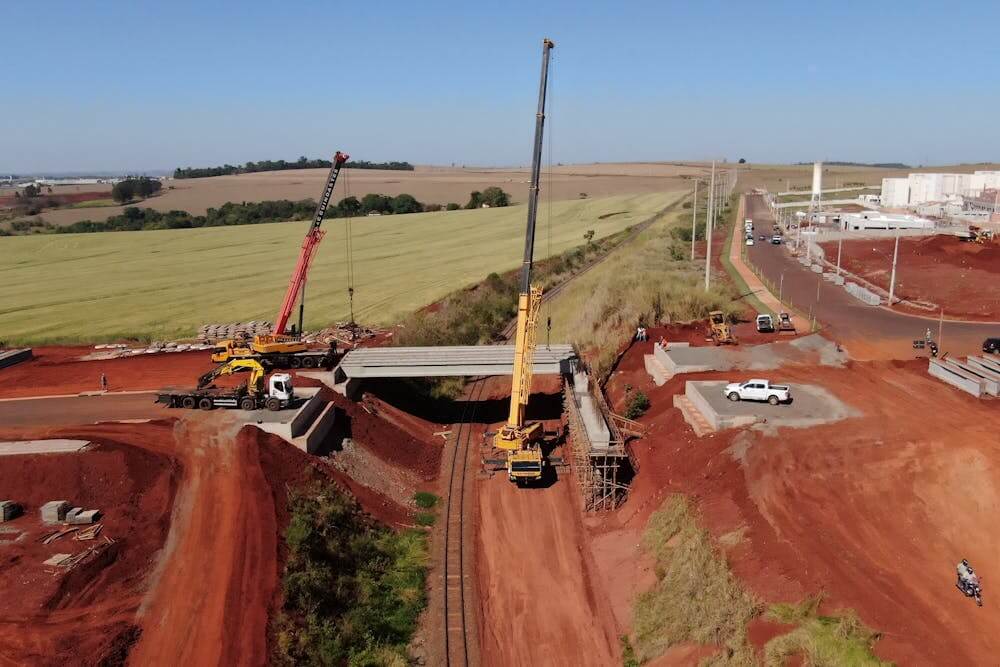
Rural EB-5 can be a strong fit when the immigration strategy is clear, and the business plan is grounded in real local conditions. The best opportunities usually feel a little boring: the documents line up, the assumptions are explainable, and the downside plan is not hand-wavy.
If you keep your review systematic, you can separate “rural” as a label from “rural” as a well-run project. That discipline helps you make a decision you can live with, even when timelines shift, and markets surprise people.
