

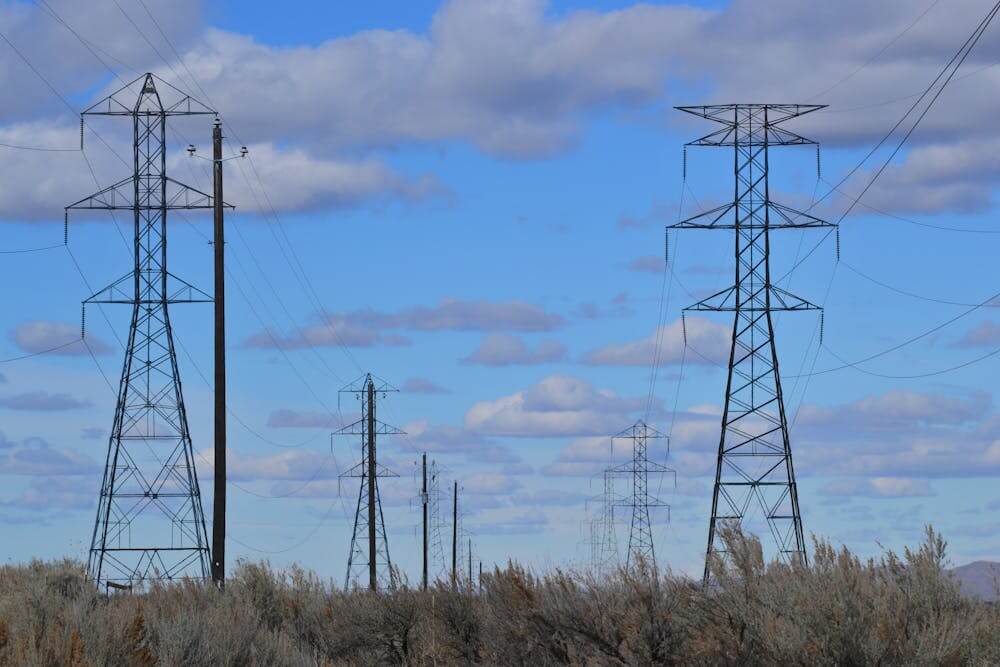
Electricity is the invisible current that powers our entire digital world. We tap a keyboard, a screen illuminates; we click “save,” and we trust our work is stored safely. But what happens when that flow is suddenly, violently interrupted? A flicker, a deep hum from the street, and then… darkness. The quiet is deafening, and in that quiet, your business is bleeding: lost data, halted productivity, damaged equipment, and shaken customer trust.
The most potent defense isn’t a giant generator (though those have their place); it’s a humble, often overlooked box called an Uninterruptible Power Supply, or UPS. Think of it not as a battery, but as a silent guardian, a bridge over troubled electrical waters that keeps your operations humming through the storm.
The Invisible Threats: More Than Just Blackouts
First, it’s crucial to understand what we’re up against. A total power outage is just the headline act. The real saboteurs are often more subtle:
- Sags and Brownouts: These are momentary or prolonged drops in voltage. They’re like trying to run on low blood sugar; your equipment struggles, overheats, and can suffer long-term damage. They’re incredibly common, often caused by the utility company switching grids or nearby heavy machinery kicking on.
- Surges and Spikes: The opposite problem: a sudden, brief jolt of excess voltage. This is the infamous “killer” of electronics, often stemming from lightning strikes (even distant ones) or power returning after an outage. It can fry circuit boards in an instant.
- Electrical Noise: This is interference on the power line, a sort of static that can corrupt data, cause system errors, and degrade sensitive components over time.
- Frequency Variation: A fluctuation in the normal 50 or 60 Hz cycle of power, which can disrupt timing mechanisms in motors and precision equipment.
The Heart of the Matter: How a UPS Works Its Magic
So how does this box pull off its protective duties? It’s a clever piece of engineering that operates in stages. For most office environments, an online or line-interactive UPS is standard. For the most critical infrastructure, data centers, manufacturing lines, and medical facilities, you’d look to a robust industrial uninterruptible power supply designed for higher loads and harsher environments. The core principle involves three key functions:
- Filtering and Conditioning: Incoming power is constantly scrubbed clean. Sags are boosted, surges are blocked, and noise is filtered out. Your equipment receives only pristine, stable electricity.
- Instantaneous Battery Backup: This is the “uninterruptible” part. When a total outage occurs, the switch to battery power happens in milliseconds, so fast that connected devices don’t even blink. There’s no reboot, no shutdown sequence; operations continue seamlessly.
- Graceful Shutdown: The UPS provides the most precious commodity in a crisis: time. It allows connected systems, like servers, to run long enough for backup generators to start or, more commonly, for a controlled, safe shutdown that prevents data corruption.
The Tangible Business Protections
The value of a UPS translates directly into concrete business benefits that protect your bottom line.
- Prevents Catastrophic Data Loss: Imagine an accounting team losing hours of work on quarterly reports, or a designer’s complex project file corrupting upon a sudden shutdown. A UPS prevents the sudden power-off that corrupts files and databases, saving you from recovery nightmares and potential permanent loss.
- Safeguards Hardware Investment: Electronics are built to receive clean, stable power. The constant assault of sags and surges dramatically shortens their lifespan. A UPS acts as a buffer, extending the life of everything from desktop PCs to network switches and servers, protecting your capital investment.
- Ensures Operational Continuity: For many small businesses, downtime is revenue lost. If your point-of-sale system, VoIP phones, or security systems go down, you cannot serve customers. A UPS keeps these mission-critical systems online through brief outages, maintaining your ability to trade and communicate.
- Reduces IT Stress and Costs: Unplanned IT emergencies are costly, both in frantic overtime and in the physical replacement of damaged components. By mitigating power-related incidents, a UPS reduces the burden on your IT staff or managed service provider, leading to greater stability and lower support costs.
Where to Deploy Your Guardians
- Individual Workstations: Small desktop UPS units protect against local work loss and hardware damage for key personnel.
- Network Infrastructure: This is non-negotiable. Your modem, router, network switches, and Wi-Fi access points must be on a UPS. Losing the internet during an outage cripples cloud access and communication.
- Core Servers and Storage: The heart of your digital operations requires the highest-capacity and most reliable UPS protection you can afford. The goal here is to enable either sustained operation or a flawless automated shutdown.
- Telephony and Security: Keep your VoIP system, surveillance cameras, and access control systems online. During a disruption, communication and security become more important than ever.
Choosing the Right UPS
Selecting a UPS isn’t overly complex if you focus on a few essentials:
- Capacity (VA/Watts): Add up the wattage of all devices you’ll connect, then add a 20-25% buffer for future growth. Don’t skimp here.
- Runtime: How long do you need to run? For a workstation, 10-15 minutes to save work is enough. For a server, you may need enough to ride out a short outage or execute a 5-10 minute shutdown sequence.
- Features: Look for user-replaceable batteries, management software that allows for remote monitoring and shutdown of servers, and sufficient outlets (both battery-backed and surge-only).
An Investment, Not an Expense
It’s easy to see a UPS as just another piece of tech hardware, an unglamorous box you plug in and forget. But that’s the point. It works in the background, asking for nothing but an occasional battery replacement.
Reframe its cost not as an expense, but as an insurance policy for your business continuity, your data integrity, and your sanity. The cost of a quality UPS for a critical server is a fraction of the cost of data recovery services, lost sales from a day of downtime, or replacing a fried network stack.
In the end, a UPS is about control. In a world where you can’t control the reliability of the grid, you can absolutely control how you respond to its failures. By deploying these silent guardians, you ensure that when the lights go out on the street, they stay on for your business, protecting your work, your reputation, and your peace of mind.
