

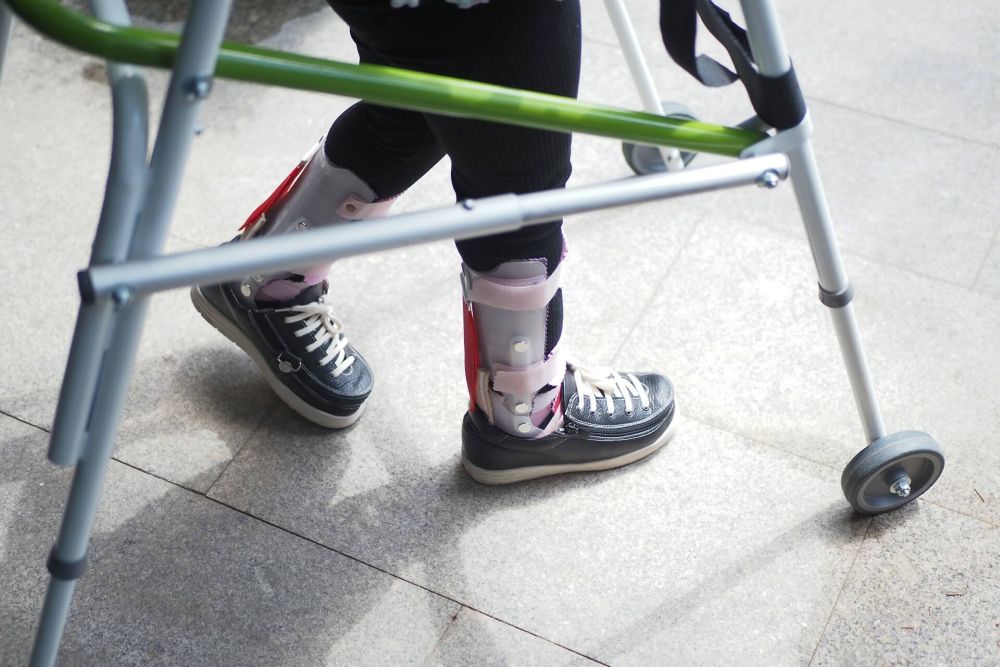
Accidental injuries can change a life in a moment. The first days focus on triage and repair, yet the real story often stretches into months. Recovery touches the body, the mind, and the routines that anchor daily life. Plans work best when they leave room for change. Good recovery balances medical care with practical support.
The hidden arc of recovery
What happens after the hospital stay is not a straight line. People move through plateaus and setbacks as they return to work, caregiving, and community roles. Trauma Surgery & Acute Care Open observed that the system often loses sight of survivors once they leave formal care, which makes long-term planning harder. That gap means families, community providers, and employers end up building the roadmap as they go. Routine check-ins with primary care and therapists keep everyone aligned and prevent small problems from snowballing.
Physical impacts that linger
Even so-called minor injuries can seed lasting issues. Pain flares, reduced range of motion, and fatigue may continue long after the cast or stitches are gone. A CDC report noted that unintentional injuries remain a leading cause of death for people in early and midlife and that millions are treated and released from emergency departments each year, so many return to daily tasks while still vulnerable to complications. In practice, that might mean swollen joints after a long shift or dizziness when screens are bright, which complicates routine activities like driving, lifting, or concentrating at work.
How injuries echo in the mind
Bodies heal on timelines that are easier to measure than the mind’s. After concussions and other traumatic events, people may face mood changes, sleep problems, and trouble concentrating that rise and fall over time. A PLOS One study found that after brain injury, shifts in quality of life can reshape what patients value in recovery, from independence to social ties or meaningful work. That insight suggests care teams should revisit goals at each stage and normalize asking for help. Brief counseling, peer support, and sleep-focused strategies can steady routines while deeper therapy unfolds.
Why follow-up care matters
Follow-up is where recovery meets reality. Primary care, rehab, and specialist visits translate medical orders into daily routines like safe movement, sleep hygiene, and graded exercise. When clinicians map appointments to a person’s home and job constraints, adherence improves, and setbacks are spotted early. Small adjustments like moving therapy to early mornings or adding a short rest break can keep momentum going. Written plans that outline pain limits and return-to-work steps reduce guesswork between visits and help employers set safe expectations.
- Schedule early check-ins to adjust medications and activity levels.
- Track symptoms in a simple log to spot trends.
- Ask for return-to-work notes that specify tasks and limits.
- Bring a supporter to visits to help with questions and recall.
- Save receipts and calendars to document real-world impacts.
Working with an attorney during recovery
Medical bills, time away from work, and insurance negotiations can shape recovery just as much as physical therapy. In conversations about coverage, benefits, and documentation, it often helps to get guidance from a lawyer who handles serious personal injury cases, especially when multiple insurers or third parties are involved. With a clear record of appointments, work impacts, and out-of-pocket expenses, people can make informed decisions while staying focused on treatment and daily life. This documentation supports claims and helps coordinate benefits. Clarity reduces stress during a demanding season.
Measuring quality of life after injury
Recovery is more than symptom checklists. Simple tools like sleep scores, step counts, and mood scales give a picture of how someone is living, not just how they are healing. Researchers have emphasized the need for better long-term tracking outside hospitals so care teams and communities can see what supports make the biggest difference. Try pairing a weekly mood rating with a short note about energy or pain, then compare it with work hours or activity. Over time, these snapshots guide choices about therapy intensity, pacing, and when to shift attention from impairment to participation.
What recent research adds
Large datasets can map common recovery paths, but individuals still vary widely. Community follow-up reveals which barriers matter most, such as transportation gaps or shifting work schedules. Bringing this information back to the clinic helps teams adjust the plan before frustration grows. Neighborhoods and employers can reduce friction, too, with flexible shifts, task modifications, or transit vouchers.
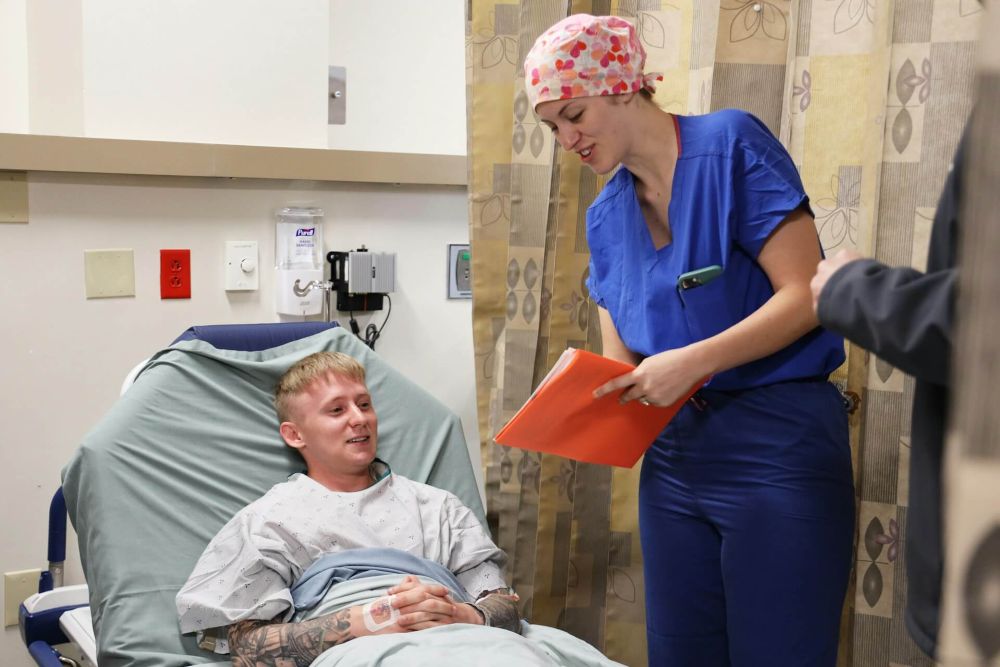
Recovery rarely returns life to a pre-injury snapshot. Still, people often rebuild routines and meaning with steady follow-up, flexible goals, and help from a supportive team. When care plans make room for changing needs, individuals can track progress and choose next steps with more confidence.
