

Scaling a construction business takes more than winning new contracts or hiring extra hands. Growth depends on making smart investments that improve efficiency, safety, and reliability across every project. Many construction companies struggle not because of a lack of demand, but because outdated tools, limited equipment, or weak systems slow them down. When operations cannot keep pace with opportunity, profits suffer, and reputations take a hit.
The right investments help construction businesses take on larger projects, meet tighter deadlines, and maintain consistent quality.
This article discusses some top investments construction businesses need to scale successfully.
Modern Construction Machinery
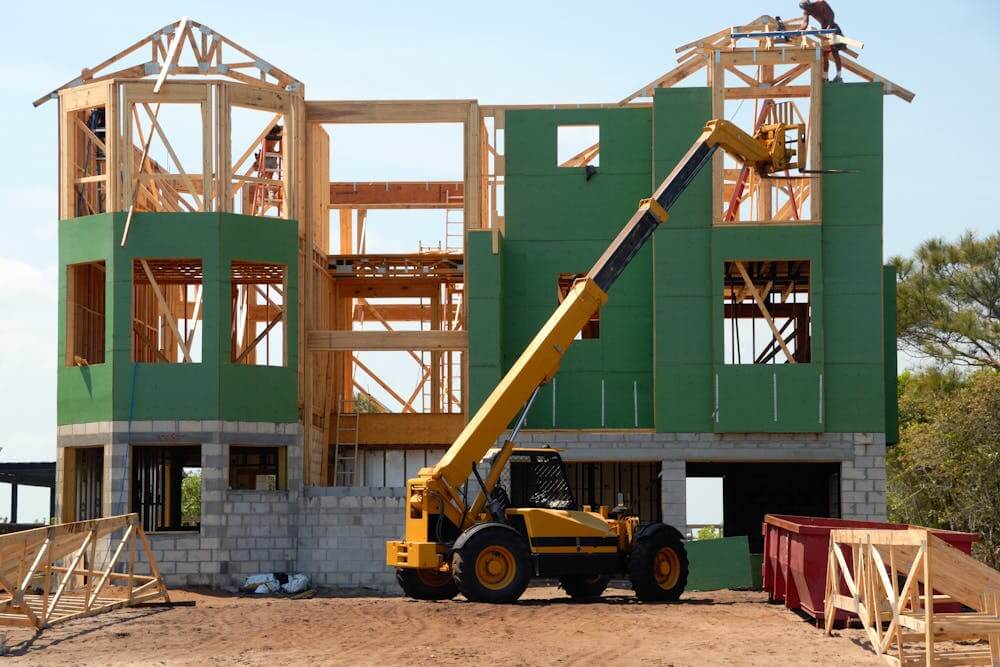
Investing in modern construction machinery sets the foundation for growth. Outdated or unreliable machines slow down progress, increase repair costs, and frustrate crews on-site. Newer machinery allows teams to work faster and more accurately, which helps projects stay on schedule. It also reduces unexpected breakdowns that can stall work and inflate costs. When machines perform consistently, project managers can plan with confidence and take on larger or more complex jobs without worrying about constant delays.
Modern equipment also improves fuel efficiency and precision. These improvements may seem minor at first, but over time, they have a real impact on operating costs.
Aerial Equipment for Safer and Faster Work at Height
Aerial equipment plays a critical role in construction projects that involve working at height. From installing exterior features to handling electrical or structural tasks, lifts provide safe and stable access that ladders and scaffolding cannot always offer. This equipment allows crews to complete tasks faster while maintaining better control and visibility.
Reliable aerial lifts also support safer job sites. Workers can focus on the task instead of worrying about balance or limited reach. To keep these machines running efficiently, construction businesses must also invest in high-quality aerial equipment parts. Proper maintenance and timely replacement of parts help prevent downtime and ensure that lifts remain safe to use throughout their lifespan.
Skilled Workforce Development and Training
Even the best equipment cannot deliver results without skilled people operating it. Investing in workforce training helps construction businesses scale without compromising standards. Well-trained employees understand safety procedures, operate machinery correctly, and adapt to new technologies faster. This reduces costly mistakes and limits rework that eats into profits.
Ongoing training also boosts morale and retention. When workers see that a company invests in their growth, they feel valued and are more likely to stay long-term. A stable, skilled workforce allows construction businesses to grow steadily instead of constantly dealing with turnover or skill gaps during critical projects.
Construction Management Software
As projects grow in size and complexity, manual tracking methods no longer work. Construction management software helps teams manage schedules, budgets, and communication from a central platform. These tools provide real-time updates that keep everyone aligned, from site supervisors to office staff.
With better visibility into timelines and costs, managers can spot issues early and make informed decisions. Software also improves collaboration by keeping documents, plans, and updates organized in one place. This level of control supports growth by reducing confusion and keeping projects running smoothly as workloads increase.
Safety Equipment and Compliance Systems
Safety investments protect both workers and the business itself. Quality safety gear, monitoring tools, and compliance systems reduce the risk of accidents on-site. Fewer incidents mean fewer delays, lower insurance costs, and a stronger reputation with clients.
A strong safety culture also improves productivity. Workers perform better when they feel secure and supported. As construction businesses scale, consistent safety standards across all sites become essential.
Fleet Vehicles and Transportation Assets
Reliable transportation keeps construction projects moving. Fleet vehicles carry crews, tools, and materials to and from job sites every day, so their condition directly affects productivity. Investing in dependable trucks and service vehicles reduces delays caused by breakdowns and missed deliveries. When crews arrive on time with everything they need, work starts smoothly and stays on track.
Well-maintained vehicles also help control long-term costs. Fuel efficiency, routine servicing, and proper load capacity all matter as a business scales. A growing construction company often handles multiple sites at once, and a strong fleet ensures that logistics do not become a bottleneck. Transportation may operate in the background, but its impact on efficiency is hard to ignore.
Quality Materials and Supplier Relationships
Materials influence the durability and appearance of every project. Choosing quality materials from reliable suppliers helps construction businesses deliver consistent results. Poor materials lead to defects, rework, and unhappy clients, all of which slow growth. When materials perform as expected, crews can work with confidence and complete tasks without unnecessary interruptions.
Building strong relationships with suppliers also supports scalability. Trusted vendors provide better pricing, faster delivery, and clearer communication. These partnerships become especially valuable when projects increase in size or urgency. A dependable supply chain allows construction businesses to respond quickly to new opportunities without compromising standards.
Financial Planning and Cost Control Tools
Growth puts pressure on cash flow, making financial planning a critical investment. Cost control tools help construction businesses track expenses, manage budgets, and forecast future needs. Without clear financial visibility, even profitable projects can strain resources and slow expansion.
Accurate financial data supports smarter decisions. Business owners can identify which projects deliver the best returns and where costs need adjustment. Strong financial systems also improve credibility with lenders and investors, which becomes important as the company seeks funding for expansion.
Branding, Marketing, and Business Development
Scaling requires more than operational strength. Construction businesses must also invest in visibility and reputation. Professional branding and targeted marketing help attract larger clients and more competitive contracts. A clear brand message builds trust and sets a company apart in a crowded market.
Marketing efforts also support long-term growth by creating a steady pipeline of opportunities. Consistent outreach, a strong online presence, and clear project showcases help businesses stay top of mind. Business development strategies turn visibility into contracts, ensuring that growth remains steady instead of unpredictable.
Scaling a construction business requires smart, practical investments that strengthen daily operations. From modern machinery and aerial equipment to skilled teams and marketing, each investment supports growth in a different way. When all these elements work together, construction businesses can take on larger projects with confidence, deliver consistent results, and build a foundation for long-term success.
