

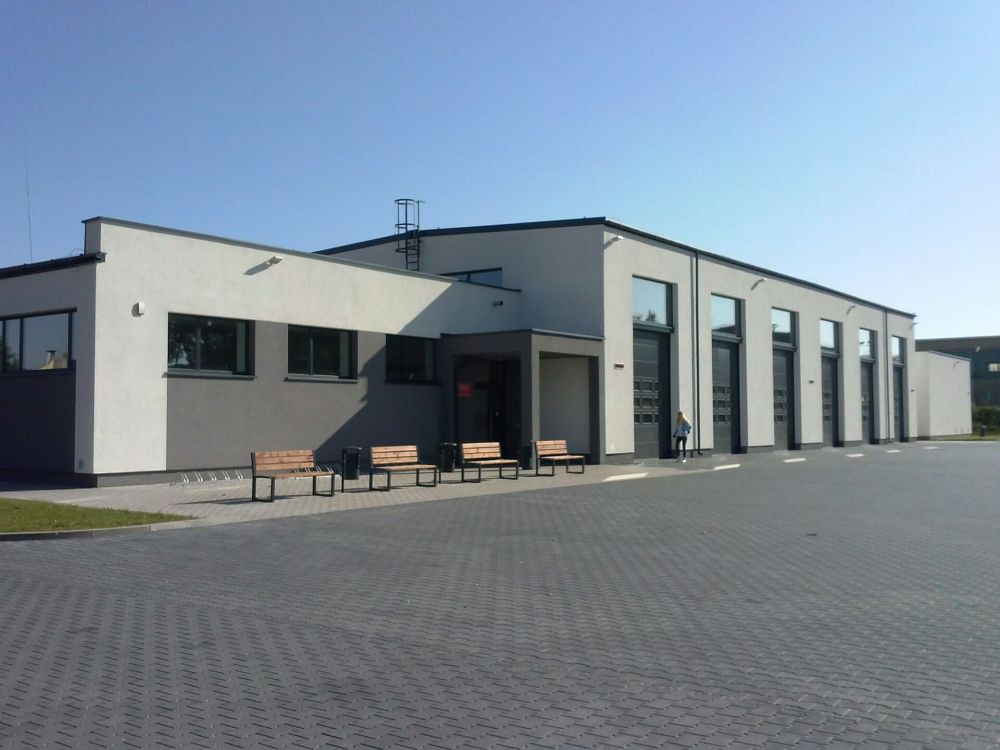
Warehouses form the backbone of many industries, serving as central points for storage, inventory management, and distribution. Over time, however, even the most well-designed facilities can become outdated or inefficient. Equipment ages, layouts lose effectiveness, and safety standards evolve. Revamping your warehouse is not simply about aesthetics or modernization. It is about improving functionality, safety, and productivity to meet the growing demands of modern logistics and operations.
A well-planned upgrade can transform an underperforming warehouse into a highly efficient system where movement, storage, and safety flow together seamlessly. In Chippewa Valley, Wisconsin, many businesses have recognized this need and started modernizing their facilities to meet higher operational standards.
Assessing Current Layout and Workflow
The first step in revamping any warehouse is to assess how space is currently being used. Inefficiencies often arise from poor layout planning, where the positioning of racks, aisles, and workstations does not support the flow of goods. Start by mapping out your existing workflow — how materials enter, move, and leave the facility.
Identify areas where congestion occurs or where employees must take unnecessary steps to complete a task. Streamlining these movements can significantly reduce time and improve efficiency.
Upgrading Equipment and Infrastructure
Once layout issues are addressed, focus on the tools and structures that keep your warehouse running. Outdated equipment not only slows operations but also poses safety risks. From forklifts and conveyors to racking systems and safety barriers, each component plays a vital role in warehouse performance.
Loading areas are particularly important since they handle the most movement and heavy lifting. To improve both safety and productivity, it helps to consult professionals who deal in loading dock equipment in Chippewa Valley. Their expertise can guide you in selecting or upgrading the right systems, such as dock levelers, seals, or vehicle restraints, to ensure smooth loading and unloading processes. By enhancing these areas, you minimize downtime and reduce potential hazards.
Beyond the loading zone, review the condition of your floors and lighting. Cracked or uneven floors can lead to equipment damage and workplace injuries. Proper lighting throughout the warehouse enhances visibility, reduces mistakes, and increases overall safety during shifts.
Prioritizing Safety in Every Step
Warehouse environments come with inherent risks due to heavy machinery, high storage racks, and constant movement. When revamping, make safety a central consideration, not an afterthought. Start by identifying existing hazards. These might include poorly marked walkways, unguarded equipment, or insufficient emergency exits.
Install clear signage throughout the facility to direct both workers and visitors safely. Add anti-slip surfaces in high-traffic or spill-prone areas. Review your fire safety systems to ensure that alarms, extinguishers, and sprinklers are functional and properly placed.
You can also establish designated pedestrian zones separate from vehicle pathways. Bright floor markings and physical barriers help prevent accidents by clearly separating foot traffic from machinery routes.
Routine safety training should accompany any physical upgrade. Employees who understand updated systems and layouts are better equipped to work efficiently without compromising safety.
Enhancing Storage Solutions
Efficient storage lies at the heart of any warehouse operation. If your shelves and racks have not been updated in years, this may be the right time to invest in a more flexible and space-saving system. Adjustable racking solutions allow for varied product sizes, while vertical storage options maximize unused overhead space.
It is equally important to ensure that storage systems are compatible with your equipment. For instance, pallet racks should align with the reach and lifting capacity of your forklifts. Incorrect alignment can slow operations and cause long-term wear on both equipment and stored goods.
Additionally, explore solutions that simplify inventory tracking. Labels, color coding, and digital tracking systems make locating and managing items faster and more accurate. This not only enhances efficiency but also reduces the likelihood of human error.
Integrating Sustainable Practices
Sustainability is becoming a key factor in modern warehouse management. Energy-efficient lighting, proper insulation, and responsible waste management can help reduce operational costs and environmental impact. When revamping your warehouse, consider how small changes can lead to long-term benefits.
Switching to LED lighting reduces energy use while improving visibility. Motion sensors ensure lights operate only when needed, further conserving energy. Installing better ventilation systems enhances air quality and helps regulate temperature, improving comfort for employees working long hours.
Recycling programs for packaging materials and proper disposal of waste can also contribute to a cleaner, safer workplace. Sustainability does not only serve the environment; it promotes a more responsible and forward-thinking company culture.
Optimizing Technology and Automation
Modern warehouses rely heavily on technology to stay competitive. Automation systems, such as conveyor belts, robotic pickers, or automated storage and retrieval systems, can drastically reduce manual labor and error. However, you do not need to implement large-scale automation overnight. Even smaller technological improvements, like digital tracking, inventory management software, or smart shelving, can enhance performance.
Evaluate which processes would benefit most from automation. Repetitive tasks such as sorting, scanning, and labeling can be automated easily and cost-effectively. Real-time monitoring systems can also provide valuable data on equipment performance, helping managers predict maintenance needs before problems arise.
Technology should enhance human performance, not replace it. Training staff to use new systems ensures smoother adoption and maximizes the benefits of your technological investments.
Streamlining Operations for the Future
After upgrades are complete, maintaining efficiency requires continuous assessment. Regularly review how well your new systems and layout are performing. Conduct periodic safety checks, inspect equipment, and solicit feedback from staff who use the space daily. Their insights often reveal small but impactful improvements that management might overlook.
Set clear performance goals based on measurable results — such as reduced loading times, fewer safety incidents, or lower energy usage. Tracking these metrics helps ensure that your warehouse remains efficient and adaptable as operational demands change.
A well-revamped warehouse is more than just a modern space. It represents a commitment to safety, efficiency, and the well-being of the people who keep it running. By addressing layout, equipment, safety, and sustainability together, you create an environment that not only supports productivity today but also positions your business for long-term success.
